VICE PRESIDENTS OF SINGAPORE
Introduction
The Deputy Prime Minister (DPM) of Singapore is one of the most important positions in the country’s government. The President appoints the Deputy Prime Minister on the advice of the Prime Minister. The DPM assists the Prime Minister in leading the government and may take charge of important ministries. When the Prime Minister is absent, the Deputy Prime Minister may perform his duties. Over the years, several capable leaders have served as Deputy Prime Ministers of Singapore and played key roles in shaping the nation’s development.
LIST OF VICE PRESIDENTS OF SINGAPORE

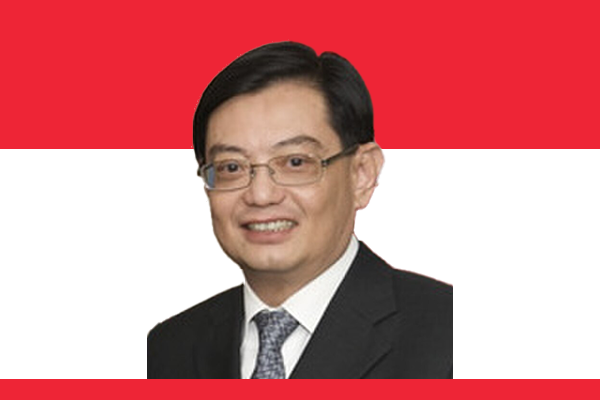
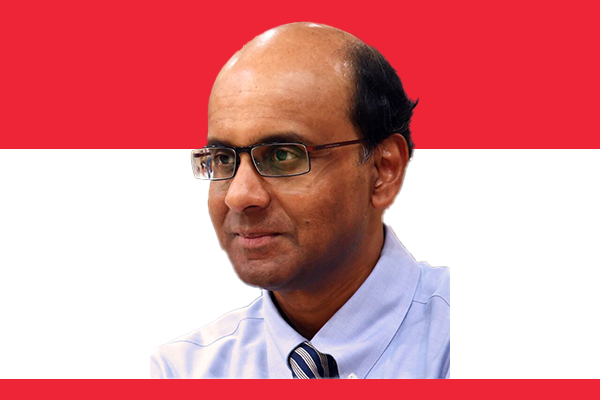


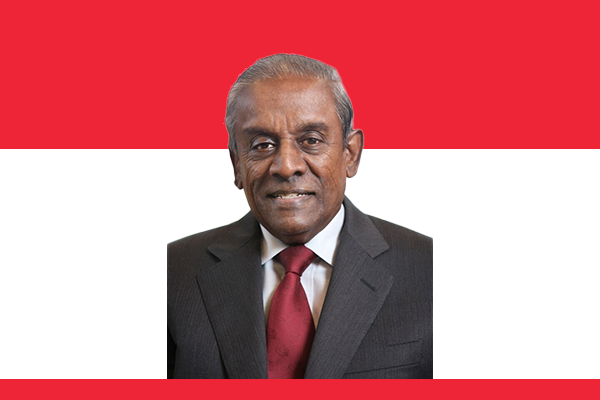
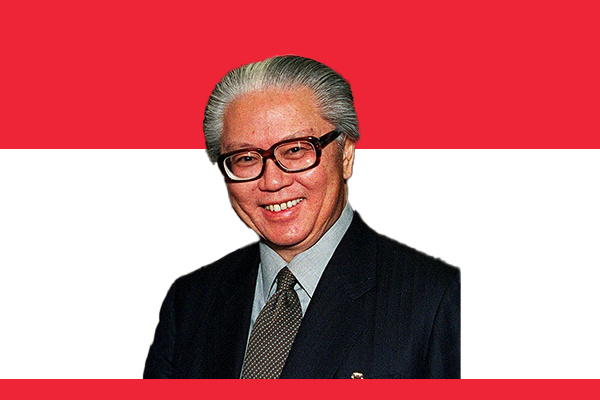
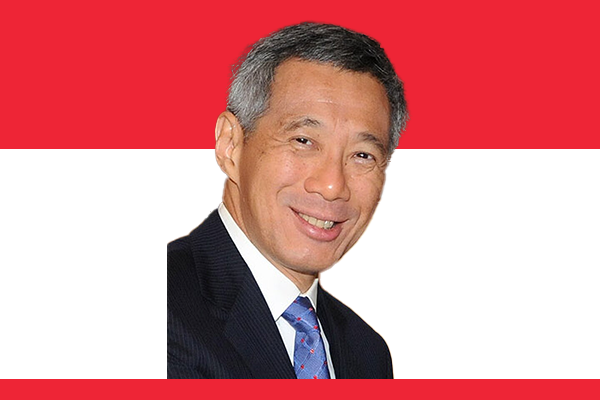

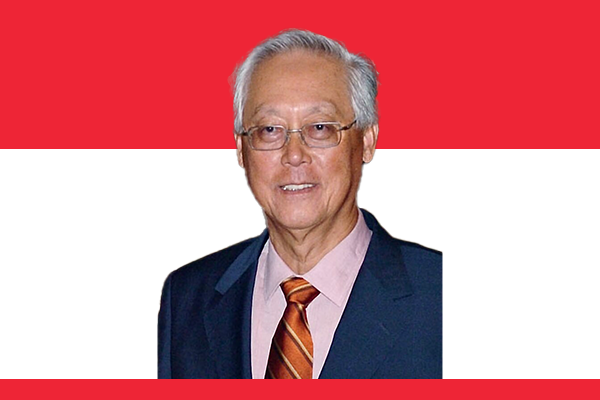

Early Deputy Prime Ministers
One of the earliest and most influential Deputy Prime Ministers was Dr. Goh Keng Swee. He served as Deputy Prime Minister from 1973 to 1984. Dr. Goh is often regarded as one of the founding fathers of modern Singapore. He played a major role in building Singapore’s economy and strengthening its defense system. His leadership helped transform Singapore from a small trading port into a strong and stable country.
Another important Deputy Prime Minister was Toh Chin Chye, who served from 1959 to 1968. Although his official title changed over time, he played a major leadership role in the early years of Singapore’s independence. He was a close associate of Lee Kuan Yew and helped guide the country during its formative period.
Later Leaders
Ong Teng Cheong served as Deputy Prime Minister from 1985 to 1993. He was known for his dedication to workers’ rights and infrastructure development. Later, he became Singapore’s fifth President, showing the high level of trust placed in him by the people.
Lee Hsien Loong, the eldest son of Singapore’s first Prime Minister Lee Kuan Yew, served as Deputy Prime Minister from 1990 to 2004. During his time as DPM, he handled important financial and economic matters. In 2004, he became the Prime Minister of Singapore.
Teo Chee Hean and Tharman Shanmugaratnam both served as Deputy Prime Ministers from 2011 to 2019. They were respected for their leadership in national security, finance, and education. Tharman later became the President of Singapore in 2023.
Present Leadership
As of recent years, Lawrence Wong has served as Deputy Prime Minister and later became Prime Minister in 2024. The position of Deputy Prime Minister continues to be vital in ensuring stable leadership and smooth governance in Singapore.
Conclusion
The Deputy Prime Ministers of Singapore have played significant roles in guiding the country’s political, economic, and social development. From the early years of independence to the modern era, these leaders have helped maintain stability, promote growth, and strengthen Singapore’s position in the world. Their contributions remain an important part of Singapore’s success story.