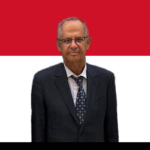
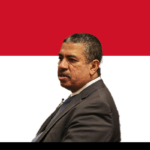
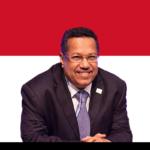
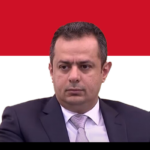
List of Prime Ministers of Yemen

The position of Prime Minister in Yemen is an important role in the country’s political system. The Prime Minister serves as the head of government and is responsible for overseeing the daily administration of the state, implementing government policies, and managing the cabinet. The role works alongside the President, who is the head of state. Over the decades, Yemen has experienced political changes, conflicts, and government transitions, which have influenced the appointment and duties of its prime ministers.

LIST OF PRIME MINISTERS OF YEMEN

="timeline-item"
Haidar Abu Bakr al-Attas

Haidar Abu Bakr al-Attas is a prominent Yemeni politician who served as the Vice-President of Yemen from 1990 to 1994 following the unification of North and South Yemen. Previously, he was the Prime Minister of South Yemen and played a key role in the transitional government after unification. Al-Attas was influential during the early years of Yemen’s unified state, focusing on political integration and economic development, but his tenure ended amid tensions leading up to the 1994 civil war.

="timeline-item"
Muhammad Said al-Attar

Muhammad Said al-Attar was a prominent Yemeni politician and diplomat who played a significant role in Yemen’s government during the 20th century. He served as the Vice-President of the Yemen Arab Republic and was deeply involved in shaping the country’s foreign and domestic policies. Known for his diplomatic skills, al-Attar represented Yemen in various international forums and worked to strengthen Yemen’s ties with other nations. His contributions left a lasting impact on Yemen’s political and administrative development.

="timeline-item"
Abdul Aziz Abdul Ghani

Abdul Aziz Abdul Ghani (1939–2011) was a prominent Yemeni politician who served as Vice-President of Yemen from 1994 to 1997 and as Prime Minister from 1994 to 1997. He was a key figure in Yemen’s political landscape after the unification of North and South Yemen, known for his technocratic approach and efforts to stabilize the government during transitional periods. Ghani also played a significant role in economic reforms and governance, earning respect as a dedicated statesman in Yemen’s modern history.

="timeline-item"
Faraj Said Bin Ghanem

Faraj Said Bin Ghanem was a Yemeni politician who served as the Prime Minister of Yemen from 1997 to 1998. Born in 1937, he played a key role in Yemen’s post-unification government, focusing on economic reforms and development initiatives during his tenure. Known for his technocratic approach, Bin Ghanem aimed to modernize Yemen’s administrative structures and strengthen governance. Despite political challenges and a short tenure, he is remembered for his contributions to the country’s institutional development before his passing in 2007.

="timeline-item"
Abdul-Karim Al-Iryani

Abdul-Karim Al-Iryani (1934–2020) was a prominent Yemeni politician and diplomat who served as Prime Minister of Yemen from 1998 to 2001. Known for his moderate and pragmatic approach, he played a key role in fostering political stability and promoting dialogue among Yemen’s diverse factions. Al-Iryani also served as Foreign Minister and was deeply involved in Yemen’s diplomatic relations and peace efforts. His leadership was marked by efforts to modernize governance and strengthen Yemen’s position regionally and internationally.

="timeline-item"
Abdul Qadir Bajamal

Abdul Qadir Bajamal (1946–2020) was a prominent Yemeni politician and diplomat who served as the Prime Minister of Yemen from 2001 to 2007. A member of the General People’s Congress party, Bajamal played a key role in shaping Yemen’s domestic and foreign policies during his tenure. He was known for his efforts to strengthen government institutions, promote economic development, and maintain political stability amid challenges. Bajamal also represented Yemen in international diplomatic engagements, contributing significantly to the country’s governance and global relations.

="timeline-item"
Ali Muhammad Mujawar

Ali Muhammad Mujawar is a Yemeni politician who served as the Prime Minister of Yemen from 2007 to 2011 under President Ali Abdullah Saleh. Before becoming Prime Minister, he held various ministerial positions, including Minister of Electricity and Energy. Known for his technocratic approach, Mujawar focused on infrastructure development and energy projects in Yemen. He played a key role during a challenging period marked by political unrest, economic issues, and the early stages of the Yemeni uprising in 2011.

="timeline-item"
Mohammed Basindawa

Mohammed Basindawa is a Yemeni politician who served as the Prime Minister of Yemen from 2011 to 2014, during a critical transitional period following the resignation of President Ali Abdullah Saleh amid the Arab Spring. A seasoned diplomat and opposition figure, Basindawa previously held various ministerial and political roles, including foreign affairs responsibilities in exile. His tenure focused on navigating political reforms, managing internal conflicts, and attempting to stabilize Yemen’s fragile governance structure while balancing competing factions and tribal interests.

="timeline-item"
Khaled Mahfoudh Bahah

Khaled Mahfoudh Bahah was a Yemeni politician and diplomat who served as Vice-President of Yemen from 2015 to 2016. Born on January 1, 1965, in Hadhramaut, he studied oil engineering and worked in the petroleum sector before entering politics. Bahah also served as Prime Minister from 2014 to 2016 during Yemen’s political transition and civil conflict. Known for his moderate approach, he attempted to promote political dialogue and stability in the country. In April 2016, President Abdrabbuh Mansur Hadi dismissed him from both positions.

="timeline-item"
Ahmed Obaid Bin Dagher

Ahmed Obaid Bin Dagher is a Yemeni politician who served as the Prime Minister of Yemen from 2016 to 2018. He has also been an important figure in Yemeni politics for many years and was appointed Minister of Telecommunications and Information Technology earlier in his career. Bin Dagher was a member of the General People’s Congress party and worked closely with former president Ali Abdullah Saleh. In 2020, he was appointed Chairman of Yemen’s Shura Council, playing a key advisory role in the country’s political affairs.

="timeline-item"
Maeen Abdulmalik Saeed

Maeen Abdulmalik Saeed is a Yemeni politician and economist who served as the Prime Minister of Yemen from 2018 to 2024. Born in 1976 in Taiz, he studied architecture and later became involved in public administration and development planning. Saeed previously worked as an adviser to President Abd Rabbuh Mansur Hadi and participated in government negotiations during Yemen’s civil conflict. As Prime Minister, he focused on economic stabilization, rebuilding state institutions, and coordinating international support for humanitarian and reconstruction efforts in Yemen.

="timeline-item"
Ahmad Awad bin Mubarak

Ahmad Awad bin Mubarak is a Yemeni politician and diplomat who has played an important role in Yemen’s modern political transition. Born in 1968 in Aden, he previously served as Yemen’s ambassador to the United States and as Minister of Foreign Affairs. In February 2024, he was appointed Prime Minister of Yemen by the Presidential Leadership Council. Bin Mubarak is known for his diplomatic experience, academic background, and efforts to strengthen Yemen’s international relations during the ongoing political and humanitarian crisis.

="timeline-item"
Salem Saleh bin Braik

Salem Saleh bin Braik is a Yemeni political figure who has served in important government positions. He was appointed as Minister of Finance in Yemen’s internationally recognized government, where he worked on managing the country’s financial policies during a period of economic crisis and ongoing conflict. Bin Braik has focused on improving public finances, supporting economic stability, and cooperating with international organizations. His role has been significant in addressing Yemen’s economic challenges and maintaining government financial operations during difficult times.

List of Prime Ministers of Yemen

Haidar Abu Bakr al-Attas (1990–1994)
He was the first Prime Minister after Yemeni unification. Al-Attas had previously served as the Prime Minister of South Yemen and played a key role in the formation of the unified state.

Muhammad Said al-Attar (1994–1997)
He served during a difficult period following the Yemeni civil war of 1994 and worked on stabilizing the government.

Faraj Said Bin Ghanem (1997–1998)
His government focused on economic reforms and administrative improvements.

Abdul Karim al-Iryani (1998–2001)
A respected diplomat and politician, al-Iryani worked on strengthening Yemen’s international relations.

Abdul Qadir Bajamal (2001–2007)
Bajamal served for several years and introduced economic and political reforms during his tenure.

Ali Mohammed Mujawar (2007–2011)
His leadership coincided with rising protests during the Arab Spring period in Yemen.

Mohammed Basindawa (2011–2014)
He became prime minister during the transitional government following the political crisis that led to the resignation of President Ali Abdullah Saleh.

Khaled Bahah (2014–2016)
Bahah served during a time of intense conflict involving the Houthi movement and the Yemeni government.

Ahmed Obaid bin Daghr (2016–2018)
He worked under the internationally recognized government during the ongoing civil war.

Maeen Abdulmalik Saeed (2018–2024)
Saeed served as prime minister during a challenging period marked by conflict and humanitarian issues.

Ahmed Awad bin Mubarak (2024–Present)
The current Prime Minister, he was appointed to lead the government and address the country’s political and economic challenges.

Conclusion

Yemen has evolved alongside the country’s political developments. From the unification of the state to the ongoing civil conflict, Yemeni prime ministers have played a key role in governing the country and attempting to stabilize its political environment. Their leadership reflects the complex history and challenges that Yemen continues to face in its pursuit of stability and development.

Back to top of page