PRIME MINISTERS OF YEMEN
Prime Ministers of Yemen
The Prime Minister of Yemen is the head of government and plays a central role in administering the country’s political, economic, and security affairs. Since the establishment of modern Yemen, the position has evolved through different political systems, including the Yemen Arab Republic (North Yemen), the People’s Democratic Republic of Yemen (South Yemen), and the unified Republic of Yemen after 1990. Yemen’s prime ministers have governed during periods of revolution, unification, civil conflict, and political transition.
LIST OF PRIME MINISTERS OF YEMEN

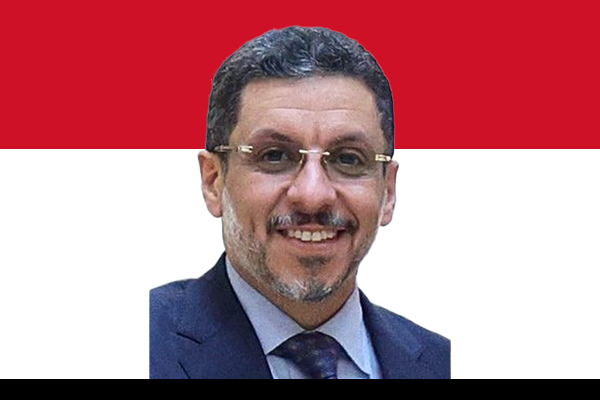
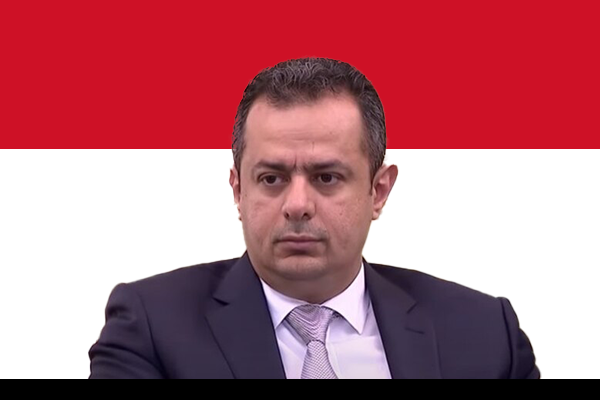
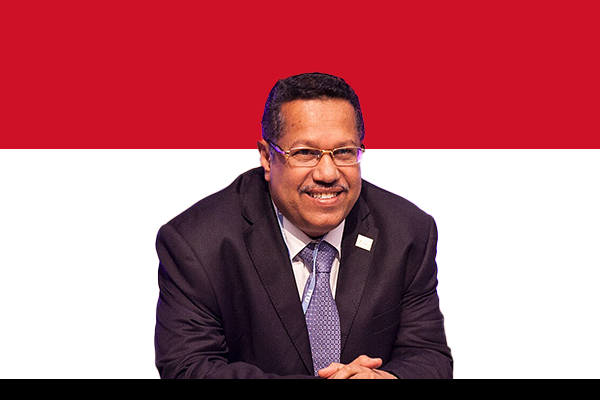
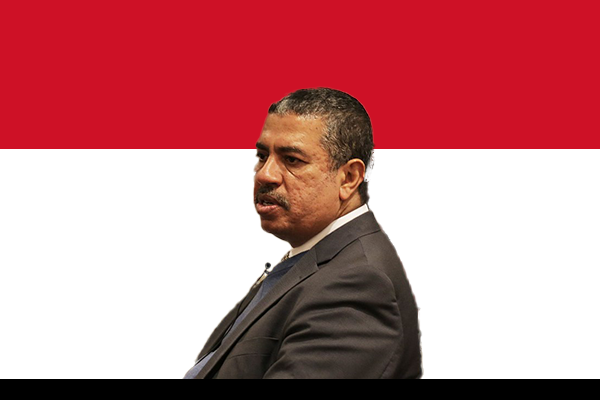






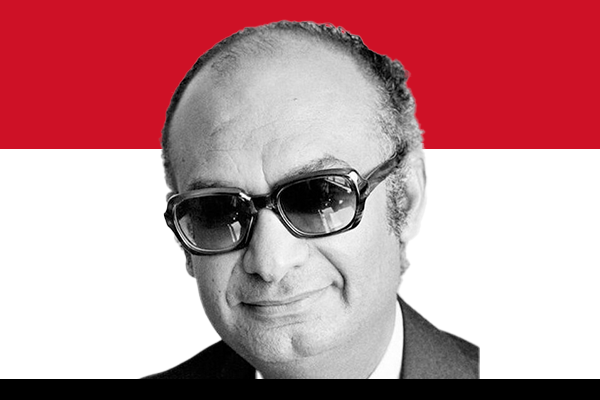
Prime Ministers Before Yemeni Unification
Before unification in 1990, Yemen was divided into North Yemen and South Yemen, each with its own political leadership.
In North Yemen, prime ministers operated under a republican system formed after the 1962 revolution that ended the imamate. Early leaders focused on state-building, managing tribal politics, and resisting external pressures. Political instability led to frequent changes in government, limiting long-term reforms.
In South Yemen, which followed a socialist system after independence from British rule in 1967, prime ministers worked within a Marxist-oriented government. Their priorities included nationalization, social reforms, and alignment with socialist states. Internal party struggles often resulted in leadership changes.
Prime Ministers After Yemeni Unification (1990)
Following the unification of North and South Yemen in 1990, the office of prime minister became part of a unified political structure under the president. The prime minister was responsible for implementing government policies, managing ministries, and addressing economic and social challenges.
Haider Abu Bakr al-Attas became the first prime minister of unified Yemen, symbolizing the merger of the two former states. His tenure faced difficulties related to political integration and economic imbalance.
Abdul Aziz Abdul Ghani, one of the longest-serving prime ministers, played a significant role in stabilizing the government during the early years of unification. He focused on administrative organization and economic planning.
Leadership During Political Crises
Several prime ministers governed during times of conflict and unrest. Ali Muhammad Mujawar served during the later years of President Ali Abdullah Saleh’s rule, dealing with economic challenges and growing public dissatisfaction.
After the 2011 uprising, Yemen saw rapid political changes. Mohammed Basindawa led a transitional government aimed at national dialogue and reform, though ongoing instability limited progress.
Recent Prime Ministers and Ongoing Conflict
Since the outbreak of the Yemeni civil war, the role of the prime minister has become more complex. Leaders such as Ahmed عبيد bin Dagher, Maeen Abdulmalik Saeed, and Salem Saleh bin Braik have worked under internationally recognized governments, often operating from outside the capital due to security conditions.
These prime ministers have focused on humanitarian relief, economic stabilization, and international diplomacy, while facing challenges posed by divided authority and prolonged conflict.
Conclusion
The history of Yemen’s prime ministers reflects the country’s struggle for stability and unity. From revolutionary beginnings to unification and ongoing conflict, the office has remained vital to governance. Despite limited authority during crises, Yemeni prime ministers continue to play a key role in shaping the nation’s political direction and efforts toward peace and reconstruction.