VICE PRESIDENTS OF YEMEN
Vice Presidents of Yemen
The position of Vice President of Yemen has played an important but often transitional role in the country’s modern political history. Yemen’s complex journey—from division into North and South, to unification in 1990, and later years of conflict—shaped how this office functioned. At different times, vice presidents acted as power brokers, consensus figures, or successors during political transitions.
LIST OF VICE PRESIDENTS OF YEMEN

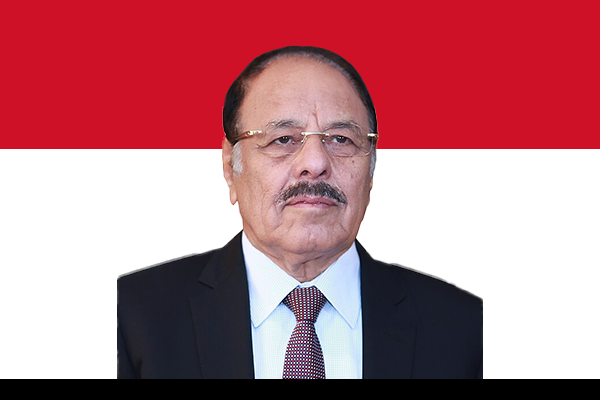
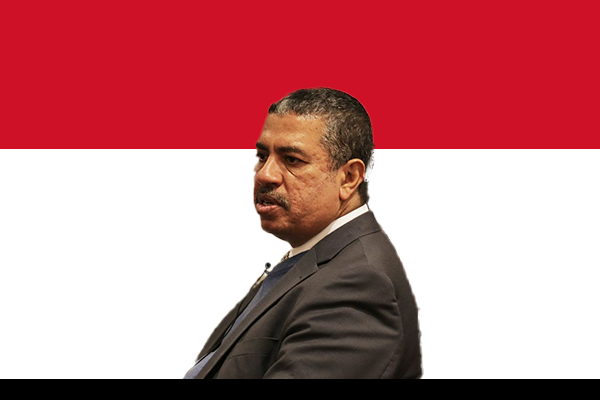
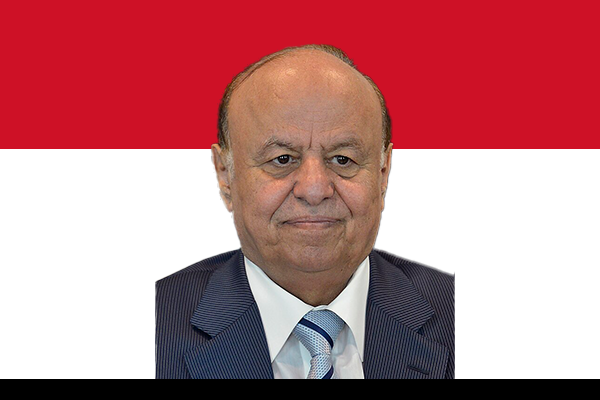

Early Context and National Unification
Before Yemen’s unification, North Yemen (Yemen Arab Republic) and South Yemen (People’s Democratic Republic of Yemen) followed separate political systems. South Yemen, with its socialist structure, had collective leadership, while North Yemen followed a republican model. The modern role of vice president became more visible after unification in 1990, when balancing northern and southern interests became a political necessity.
Ali Salim al-Beidh
One of the most notable figures associated with the vice presidency is Ali Salim al-Beidh. After unification, he served as Vice President of unified Yemen, representing the southern leadership. His tenure symbolized the power-sharing agreement between North and South. However, political tensions, mistrust, and disputes over authority weakened the unity arrangement. These conflicts eventually led to the 1994 civil war, after which al-Beidh left office and went into exile, marking a turning point in Yemen’s political balance.
Abd Rabbuh Mansur Hadi
Abd Rabbuh Mansur Hadi served as Vice President from 1994 to 2012, making him one of the longest-serving individuals in the role. He was considered a low-profile but stabilizing figure, especially during President Ali Abdullah صالح’s long rule. Hadi’s position gained historic importance during the 2011 uprising, when political pressure forced President Saleh to step down. Hadi then assumed the presidency in 2012, demonstrating how the vice presidency could function as a constitutional bridge during crises.
Ali Mohsen al-Ahmar
The last prominent vice president of Yemen was Ali Mohsen al-Ahmar, appointed in 2016 by President Hadi during the ongoing civil war. A senior military commander, Ali Mohsen was seen as a key figure in organizing resistance against the Houthi movement. His appointment reflected the militarized nature of Yemeni politics during wartime rather than a purely constitutional role.
Abolition of the Office
In 2022, President Hadi transferred power to the Presidential Leadership Council (PLC) and formally abolished the vice presidency. This decision aimed to create collective leadership and reduce rivalry within the executive branch during peace efforts.
Conclusion
The history of Yemen’s vice presidents mirrors the country’s broader political struggles—unity, division, conflict, and transition. Though no longer active, the office played a crucial role during key turning points in Yemen’s modern history.