PRESIDENTS OF YEMEN
Presidents of Yemen
The President of Yemen serves as the head of state and is a central figure in the country’s political and administrative structure. Since the formation of the modern Republic of Yemen in 1990, following the unification of North Yemen (Yemen Arab Republic) and South Yemen (People’s Democratic Republic of Yemen), several leaders have shaped the nation’s history through periods of conflict, reform, and political transition.
LIST OF PRESIDENTS OF YEMEN
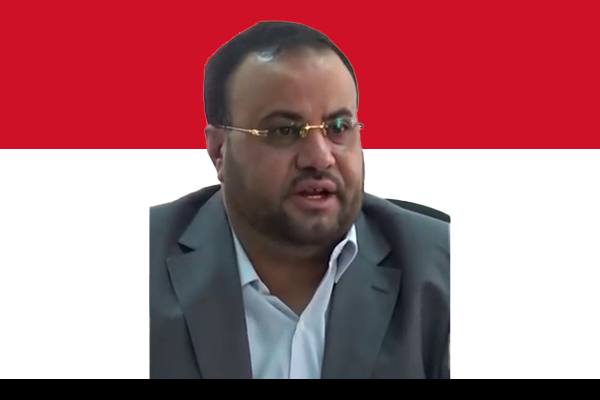
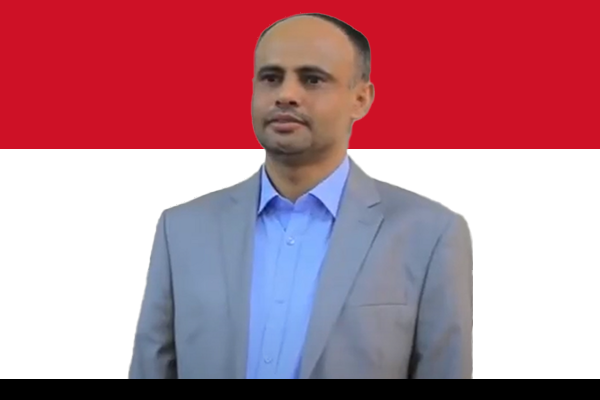
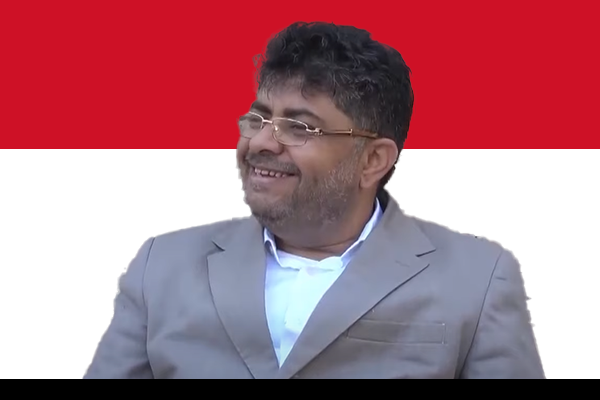

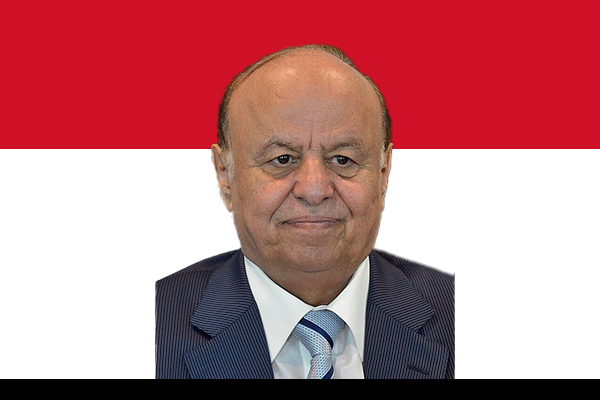

Ali Abdullah Saleh (1990–2012)
Ali Abdullah Saleh was the first president of the unified Yemen and had previously served as president of North Yemen since 1978. Saleh’s presidency was marked by efforts to consolidate power and unify the diverse regions of Yemen. His tenure faced multiple challenges, including internal dissent, tribal conflicts, and rising influence of extremist groups. He played a pivotal role in Yemen’s political and economic development but faced widespread criticism for corruption and authoritarian practices. Saleh ultimately resigned in 2012 following mass protests during the Arab Spring.
Abdrabbuh Mansur Hadi (2012–2022)
Following Saleh’s resignation, Abdrabbuh Mansur Hadi assumed the presidency through a transitional process. Hadi’s administration struggled with political instability, economic crisis, and growing insurgencies. His tenure saw the outbreak of the Houthi rebellion, which escalated into a full-scale civil war by 2014, forcing Hadi to flee the capital, Sana’a. Internationally recognized, Hadi remained the nominal president, supported by a Saudi-led coalition, while the country became increasingly fragmented.
Presidential Council and De Facto Authorities (2022–Present)
In April 2022, the leadership transitioned to a Presidential Leadership Council, chaired by Rashad al-Alimi, as part of a political restructuring aimed at stabilizing Yemen. This council represents a collective form of governance in a country divided by conflict, with different regions controlled by various factions, including the Houthis in the north and the internationally recognized government in the south. The council continues to face challenges in restoring central authority, addressing humanitarian crises, and negotiating peace.
Historical Context
Before unification, North Yemen was led by presidents like Ibrahim al-Hamdi and Ali Abdullah Saleh, while South Yemen had a separate line of leaders, including Salim Rubai Ali. The political history of Yemen is characterized by tribal influences, regional divisions, and the constant struggle to balance authority between central government and local powers.
The presidents of Yemen have thus played crucial roles in both unifying and dividing the nation, navigating wars, political upheavals, and international pressures. Despite the challenges, these leaders have shaped the country’s modern identity and continue to influence Yemen’s ongoing journey toward stability and governance.
Yemen’s presidency reflects the broader complexities of the Middle East, where leadership, tribal alliances, and foreign interventions intersect to shape national politics.