KINGS OF YEMEN
Kings of Yemen
Yemen has a long and complex history of monarchy, with its kings ruling over various regions before the establishment of a republican state. Historically, Yemen was divided into North Yemen (Mutawakkilite Kingdom of Yemen) and South Yemen (Aden Protectorate and Federation of South Arabia), each with its own rulers and dynasties. The monarchy played a crucial role in shaping Yemen’s social, political, and cultural structures.
LIST OT KINGS OF YEMEN
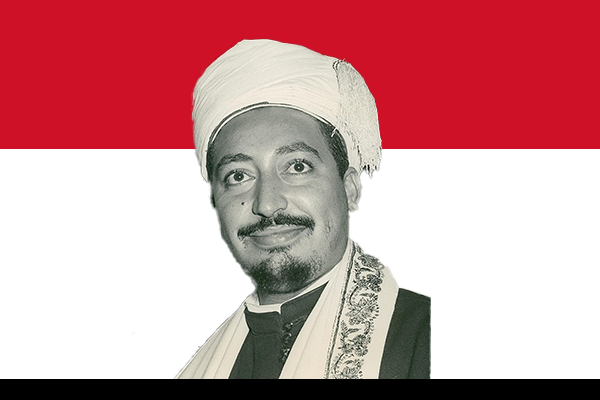
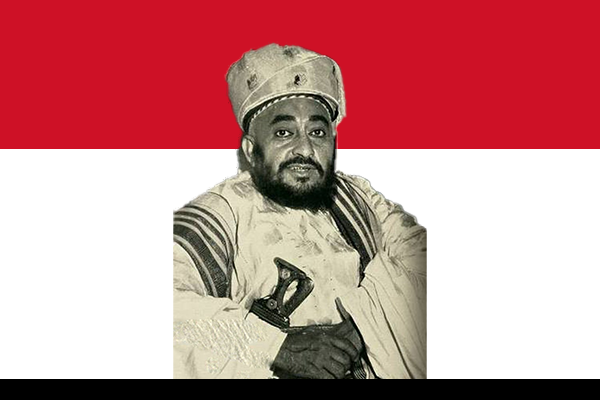
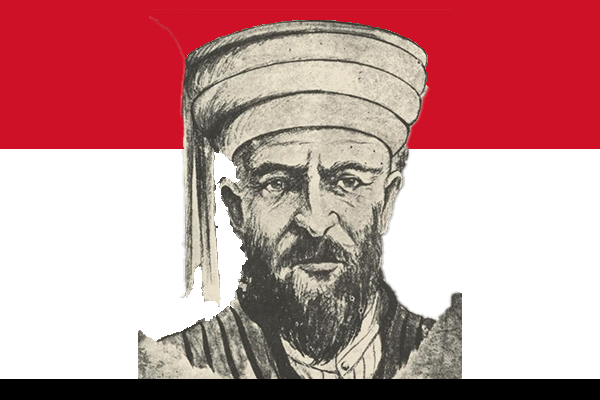
King Yahya Muhammad Hamid ed-Din (1918–1948)
King Yahya was the founder of the Mutawakkilite Kingdom of Yemen in the north after the fall of the Ottoman Empire. His reign focused on consolidating power, enforcing Islamic law, and maintaining Yemen’s independence. Despite his efforts, the country remained largely isolated from the international community. He was assassinated in 1948 during a coup attempt.
King Ahmad bin Yahya (1948–1962)
Succeeding his father, King Ahmad continued the policies of centralization and maintaining Yemen’s independence. His reign saw tensions with republican forces and internal unrest. He was a staunch traditionalist, resisting modernization and political reforms, which eventually contributed to rising dissatisfaction among the population.
King Muhammad al-Badr (1962)
Muhammad al-Badr, the son of King Ahmad, ascended the throne in 1962. His rule was brief, lasting only a few months, as a republican coup led to the establishment of the Yemen Arab Republic in North Yemen. The overthrow of the monarchy sparked the North Yemen Civil War, a struggle between royalist and republican forces supported by foreign powers.
In South Yemen, although there was no centralized kingdom like in the north, the region consisted of several tribal sultanates and emirates under British protection. Prominent rulers included the Sultans of Lahej, Kathiri, and Qu’aiti, who held varying degrees of autonomy under the British. These rulers maintained local control, influenced trade, and managed relationships with colonial authorities.
The monarchy in Yemen, especially in the north, was deeply tied to tribal and religious structures. Kings derived authority from tribal allegiance and Islamic legitimacy, with power often contested by local leaders and emerging political movements. The traditional monarchy system began to decline in the mid-20th century due to pressures for reform, modernization, and nationalist movements influenced by regional events.
The abolition of the monarchy in 1962 in North Yemen and the eventual unification of North and South Yemen in 1990 marked the end of centuries of monarchical rule. Today, the legacy of Yemen’s kings is reflected in the country’s tribal traditions, social hierarchy, and historical narratives, providing insight into the struggles for power, governance, and identity in Yemen’s complex history.
Yemen’s kings played a significant role in shaping the country’s identity, blending tribal, religious, and political authority in a way that influenced the nation long after the monarchy ended.
This overview highlights the pivotal figures and historical context of Yemen’s monarchs, whose legacies continue to impact the region.