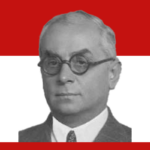
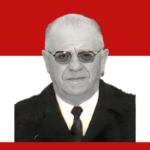
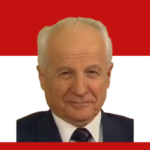
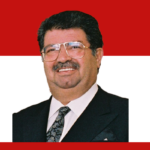
List of Presidents of Turkey

Turkey is a transcontinental country located mainly in West Asia and partly in Southeast Europe. It has a rich political history shaped by the fall of the Ottoman Empire and the establishment of the modern Republic of Turkey in 1923. Since then, the office of the President has been one of the most important positions in the country. The President of Turkey serves as the head of state and, in recent years, also holds significant executive powers.

LIST OF PRESIDENTS OF TURKEY

="timeline-item"
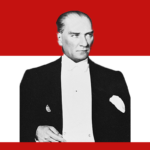
Mustafa Kemal Atatürk

Mustafa Kemal Atatürk was the founder and first President of Turkey. He established the modern Republic of Turkey in 1923 after the fall of the Ottoman Empire. Atatürk introduced major political, social, and educational reforms to modernize the country. He promoted secularism, nationalism, and western-style development. Under his leadership, Turkey became a modern nation-state. He remains one of the most respected and influential leaders in Turkish history, remembered as the “Father of the Turks.”

="timeline-item"
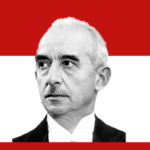
Ismet Inonu

İsmet İnönü was the second President of Turkey and served from 1938 to 1950. He was a close ally of Mustafa Kemal Atatürk and played an important role in building modern Turkey. İnönü led the country during World War II and kept Turkey neutral for most of the war. He also helped introduce multi-party democracy in Turkey. His leadership is remembered for maintaining stability during difficult times and guiding the country through political change.

="timeline-item"
Mahmut Celal Bayar

Mahmut Celâl Bayar was a prominent Turkish statesman and the third President of Turkey, serving from 1950 to 1960. He played an important role in Turkey’s transition to multi-party democracy and was a founding member of the Democrat Party. Bayar became president after the party’s electoral victory in 1950. His presidency ended with the 1960 military coup. He remains a significant figure in Turkey’s political history for supporting democratic governance and political change.

="timeline-item"
Cemal Gursel

Cemal Gürsel was the fourth President of Turkey and served from 1961 to 1966. He came to power after the 1960 military coup and played an important role in restoring political order in the country. During his presidency, Turkey adopted the 1961 Constitution, which introduced important democratic reforms. Gürsel was respected for his disciplined leadership and efforts to stabilize the nation during a difficult political period. He remains an important figure in Turkey’s modern political history.

="timeline-item"
Cevdet Sunay

Cevdet Sunay was the fifth President of Turkey, serving from 1966 to 1973. Cevdet Sunay Before becoming president, he was a senior military officer and served as Chief of the General Staff. His presidency took place during a period of political instability and growing social tensions in Turkey. Sunay supported state authority and national unity during difficult times. He played an important role in maintaining order and stability in the country during the late 1960s and early 1970s.

="timeline-item"
Fahri Koruturk

Fahri Korutürk was the sixth President of Turkey, serving from 1973 to 1980. Fahri Korutürk He was a respected naval officer and diplomat before entering politics. During his presidency, Turkey faced serious political unrest, economic challenges, and increasing violence between rival groups. Korutürk tried to maintain national stability during this difficult period. His term ended shortly before the 1980 military coup. He is remembered as a calm and disciplined leader in a turbulent era.

="timeline-item"
Kenan Evren

Kenan Evren was the seventh President of Turkey and served from 1982 to 1989. Kenan Evren He was a military general who led the 1980 coup d’état during a time of political violence and instability in Turkey. After the coup, he became head of state and later president under the 1982 Constitution. His rule focused on restoring order, but it was also criticized for restricting democracy, limiting freedoms, and increasing military influence in Turkish politics.

="timeline-item"
Turgut Özal

Turgut Özal was the eighth President of Turkey, serving from 1989 until his death in 1993. Before becoming president, he was Prime Minister and played a major role in transforming Turkey’s economy through liberalization and free-market reforms. Özal encouraged foreign investment, privatization, and closer ties with Western countries. He is remembered as an influential leader who helped modernize Turkey and expand its economic opportunities during a period of significant political and social change.

="timeline-item"
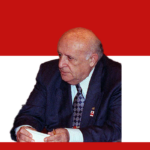
Süleyman Demirel

Süleyman Demirel was the ninth President of Turkey, serving from 1993 to 2000. Süleyman Demirel He was one of Turkey’s most experienced politicians and had earlier served multiple times as Prime Minister. Demirel played an important role in Turkish politics during times of political instability and economic challenges. As President, he focused on protecting democracy, maintaining national unity, and supporting constitutional order. His long political career made him one of the most influential leaders in modern Turkish history.

="timeline-item"
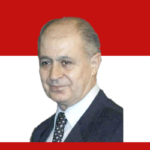
Ahmet Necdet Sezer

Ahmet Necdet Sezer was the tenth President of Turkey, serving from 2000 to 2007. Before becoming president, he was a respected judge and President of the Constitutional Court. He was known for his strong support of secularism, constitutional law, and democratic principles. During his presidency, he often defended the independence of state institutions and maintained a neutral political stance. Sezer was widely regarded as an honest, disciplined, and law-focused leader in Turkish politics.

="timeline-item"
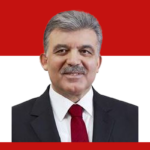
Abdullah Gül

Abdullah Gül was the 11th President of Turkey, serving from 2007 to 2014. Abdullah Gül He was an important political leader and a founding member of the Justice and Development Party (AKP). Before becoming president, he also served as Prime Minister and Foreign Minister. During his presidency, Turkey experienced economic growth and increased international influence. Gül was known for his calm leadership, diplomatic approach, and support for democratic reforms and modernization in Turkey.

="timeline-item"
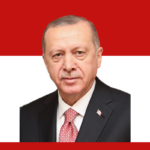
Recep Tayyip Erdoğan

Recep Tayyip Erdoğan has been a dominant figure in Turkish politics for over two decades. He served as Prime Minister from 2003 to 2014 before becoming President. Under his leadership, Turkey transitioned from a parliamentary to a presidential system, greatly expanding executive powers. Erdoğan’s tenure has focused on economic development, infrastructure projects, and asserting Turkey’s regional influence. His governance has been marked by strong political control, social reforms, and controversial policies on civil liberties and media freedom.

List of Presidents of Turkey

Mustafa Kemal Atatürk (1923–1938)

Mustafa Kemal Atatürk was the founder and first President of Turkey. He introduced major reforms that transformed Turkey into a modern, secular republic.

İsmet İnönü (1938–1950)

İsmet İnönü led Turkey during World War II and maintained neutrality for most of the conflict. He also supported the transition to multi-party democracy.

Celâl Bayar (1950–1960)

Celâl Bayar became president after Turkey’s first peaceful democratic transfer of power. His term ended after the 1960 military coup.

Cemal Gürsel (1961–1966)

Cemal Gürsel came to power following the coup and oversaw the adoption of the 1961 Constitution.

Cevdet Sunay (1966–1973)

Cevdet Sunay was a former military leader who served during a politically unstable period.

Fahri Korutürk (1973–1980)

Fahri Korutürk presided over years of political violence and instability.

Kenan Evren (1982–1989)

Kenan Evren became president after leading the 1980 military coup and played a major role in shaping the 1982 Constitution.

Turgut Özal (1989–1993)

Turgut Özal promoted economic liberalization and modernization during his presidency.

Süleyman Demirel (1993–2000)

Süleyman Demirel was a veteran politician who emphasized stability and democratic governance.

Ahmet Necdet Sezer (2000–2007)

Ahmet Necdet Sezer was known for his commitment to constitutional law and secularism.

Abdullah Gül (2007–2014)

Abdullah Gül oversaw a period of economic growth and growing regional influence for Turkey.

Recep Tayyip Erdoğan (2014–Present)

Recep Tayyip Erdoğan is the current President. Under his leadership, Turkey shifted to a presidential system with expanded executive powers.

Conclusion

The Presidents of Turkey have each contributed to the country’s political development in different ways. From Atatürk’s revolutionary reforms to Erdoğan’s strong executive presidency, the role has evolved significantly. Turkey’s presidential history reflects the nation’s broader journey through modernization, democracy, and change.
Back to top of page