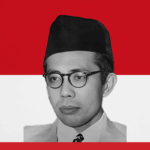
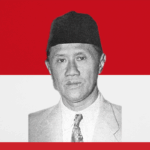
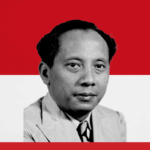
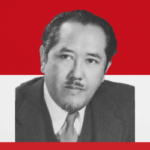
List of Prime Ministers of Indonesia
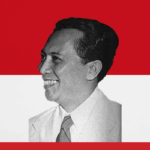
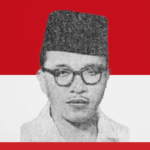
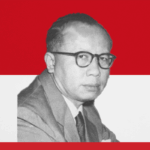
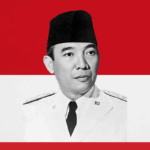
Sutan Sjahrir (1945–1947) – The first Prime Minister of Indonesia, Sjahrir was a key nationalist leader and intellectual. He focused on diplomacy during Indonesia’s struggle for international recognition of independence, negotiating with the Dutch and maintaining internal political stability amid revolutionary challenges.
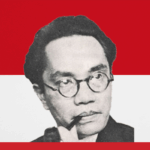
Amir Sjarifuddin (1947–1948) – A former socialist leader, Amir Sjarifuddin led the government during a difficult post-revolutionary period. His administration prioritized social reforms and military coordination during the ongoing struggle against Dutch attempts to regain control.
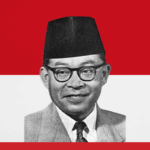
Mohammad Hatta (1948–1950) – Also Indonesia’s first Vice President, Hatta served as Prime Minister during the formative years of the republic. He emphasized economic reconstruction, diplomacy, and consolidation of the young nation’s administrative structures. Hatta’s pragmatic leadership helped stabilize the government amid civil unrest and international pressure.
Susanto Tirtoprodjo (1950) – Served briefly as acting Prime Minister during transitional arrangements toward a unitary state, focusing on cabinet organization and administrative continuity.
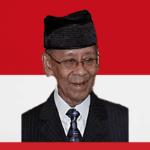
Mohammad Natsir (1950–1951) – A leading Islamic politician, Natsir became Prime Minister following the restoration of Indonesia’s unitary state. He emphasized national integration, education reform, and promoting parliamentary democracy. His administration strengthened ties between the central government and regional entities.
Sutan Syahrir (acting, 1951) – Returned briefly to oversee government transitions and cabinet formations, ensuring political continuity during a period of parliamentary instability.
Wilopo (1952–1953) – Led a coalition government, addressing economic development and public administration issues, while managing political tensions between secular and Islamic parties.
Ali Sastroamidjojo (1953–1955, 1956–1957) – Served two terms as Prime Minister, promoting industrialization, foreign diplomacy, and strengthening Indonesia’s presence in international organizations such as the United Nations and the Bandung Conference.
Djuanda Kartawidjaja (1957–1959) – Djuanda is notable for issuing the Djuanda Declaration, asserting Indonesia’s territorial waters. His tenure marked the last Prime Ministership before President Sukarno transitioned Indonesia to a guided presidential system, abolishing the office.
The Prime Ministership of Indonesia, though short-lived, was foundational for the early governance of the republic. It enabled parliamentary leadership, policy development, and diplomacy during the critical post-independence years. Following 1959, Indonesia adopted a presidential system, centralizing executive authority in the President and ending the formal role of Prime Minister.