PRESIDENTS OF MALDIVES
Presidents of Maldives
The Maldives, a tropical island nation in the Indian Ocean, has experienced a dynamic political history since gaining independence from the United Kingdom in 1965. Its presidential office has been central in shaping the nation’s governance, economy, and foreign relations. The Maldives transitioned from a sultanate to a republic, and since then, its presidents have played pivotal roles in modernizing infrastructure, promoting tourism, and navigating political reforms. The presidency is both the head of state and government, symbolizing national unity and leadership.
LIST OF PRESIDENTS OF MALDIVES
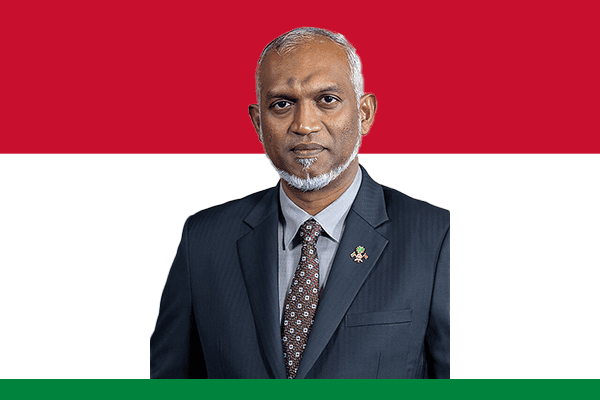
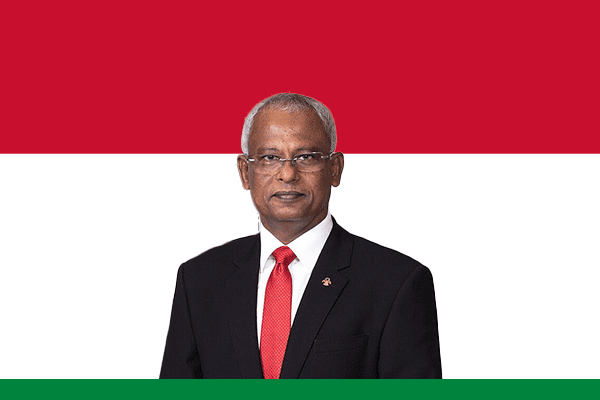
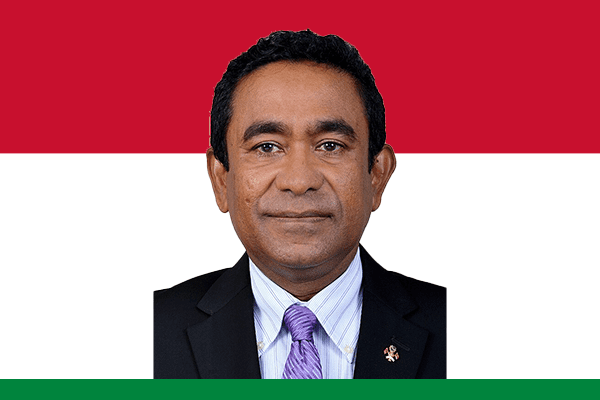
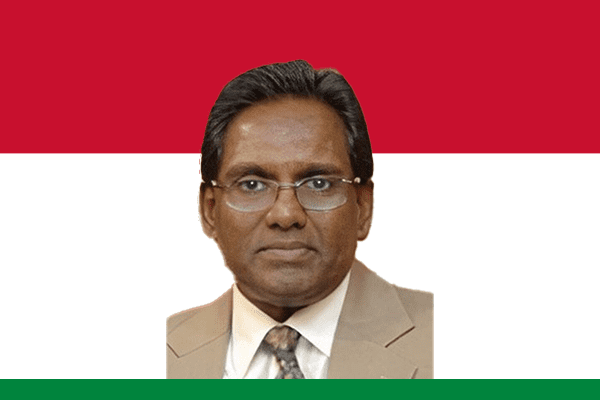
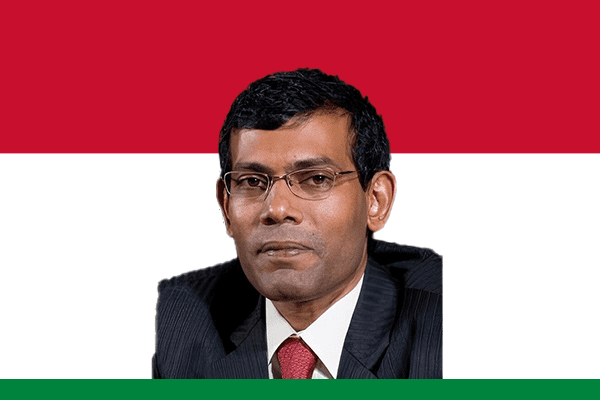
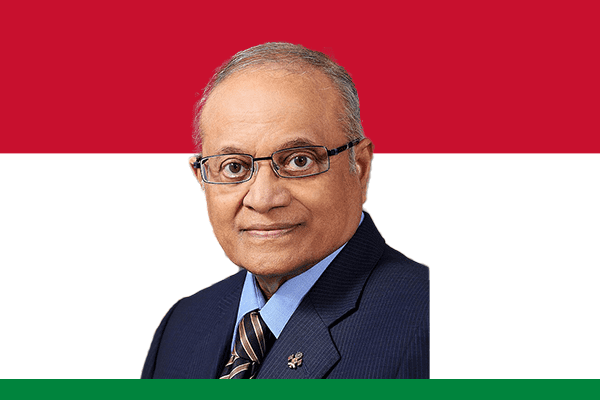

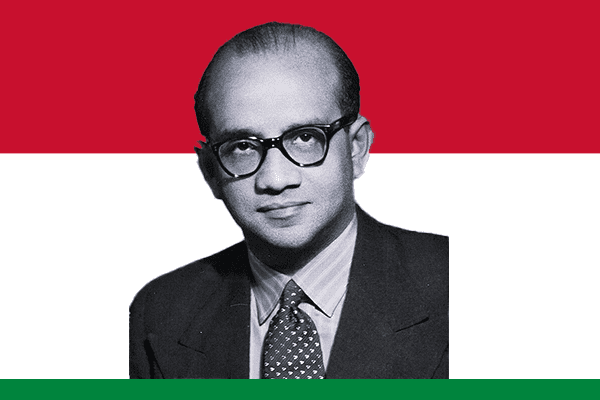
List of Presidents of Maldives
Ibrahim Nasir – Served from 1968 to 1978, overseeing the Maldives’ transition from a sultanate to a republic. Nasir implemented economic reforms and encouraged modernization, particularly in education and infrastructure.
Maumoon Abdul Gayoom – Holding office for 30 years, Gayoom focused on economic development and foreign policy. His tenure saw rapid growth in tourism and increased international recognition, though it was also marked by criticism over human rights and political freedoms.
Mohamed Nasheed – Known as the “Green President,” Nasheed was the first democratically elected president after decades of autocratic rule. He prioritized environmental policies, climate change awareness, and democratic reforms.
Mohamed Waheed Hassan – Assumed presidency after Nasheed resigned amid political controversy. His brief term focused on stabilizing governance and addressing political tensions.
Abdulla Yameen – Yameen emphasized economic development and infrastructure expansion, including major construction projects, but faced criticism over authoritarian practices and limitations on democratic freedoms.
Ibrahim Mohamed Solih – Currently serving, Solih’s administration focuses on democracy, human rights, climate change, and strengthening international relations. He has also promoted transparency and reforms in governance.
The Maldives’ presidency reflects a journey from traditional rule to modern democracy, illustrating the evolving political landscape of the nation. Each president has contributed uniquely to shaping Maldives’ identity, balancing development, environmental responsibility, and political reform, while representing the nation on the global stage.