PRESIDENTS OF GREECE
Presidents of Greece
The office of the President of Greece serves as the head of state of the Greece. Although largely ceremonial today, the role has evolved significantly since its establishment, reflecting the country’s changing political landscape. Modern Greece became a republic in 1974 after the fall of military rule, and since then, the presidency has symbolized unity, democracy, and constitutional order.
LIST OF PRESIDENTS OF GREECE



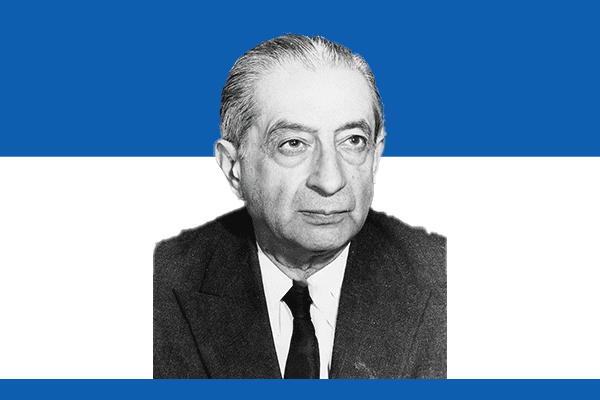

Early Presidency
The first President of Greece was Pavlos Kountouriotis, who served during the early 20th century when Greece briefly experimented with republican governance (1924–1935). This period, known as the Second Hellenic Republic, ended with the restoration of the monarchy in 1935.
Presidency After 1974
Following the collapse of the military junta in 1974, a referendum abolished the monarchy, and Greece was officially declared a republic once again. The modern presidency began with Mikhail Stasinopoulos, who served as an interim president.
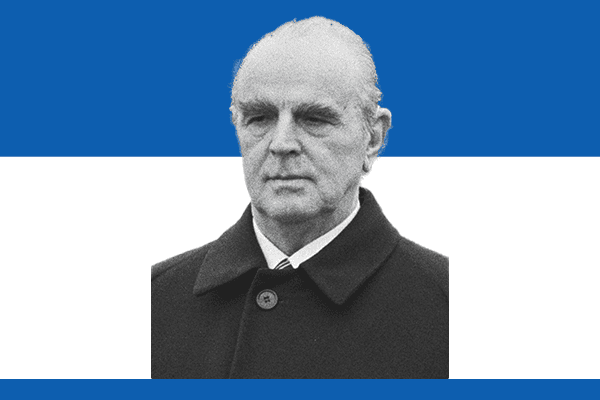
One of the most influential figures in Greek politics, Konstantinos Karamanlis, became the first elected President of the Third Hellenic Republic in 1980. He played a vital role in restoring democracy and stabilizing the nation.
Notable Presidents
Several presidents have shaped modern Greece through their leadership:
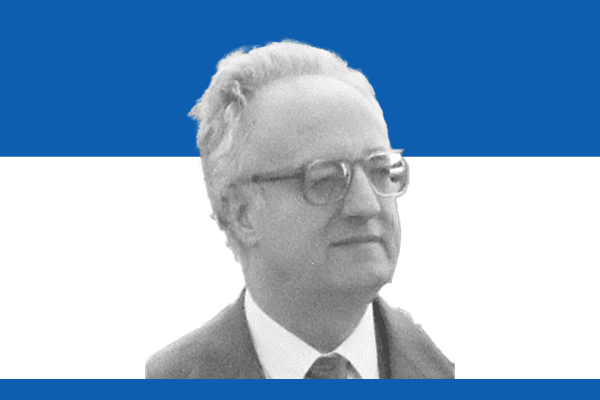
Christos Sartzetakis (1985–1990) was known for his integrity and strong stance on justice.
Konstantinos Stephanopoulos (1995–2005) gained widespread respect for his moderate and unifying leadership.
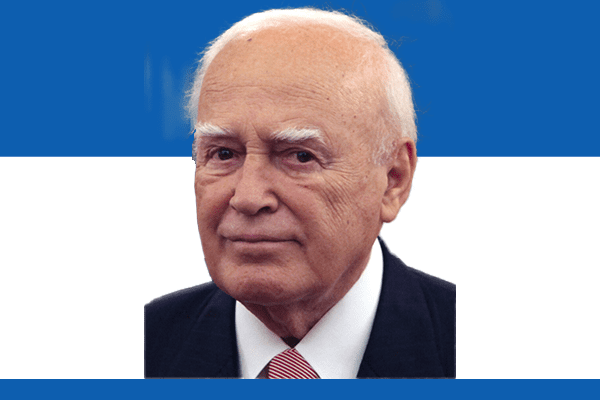
Karolos Papoulias (2005–2015) served during a challenging period marked by economic crisis.
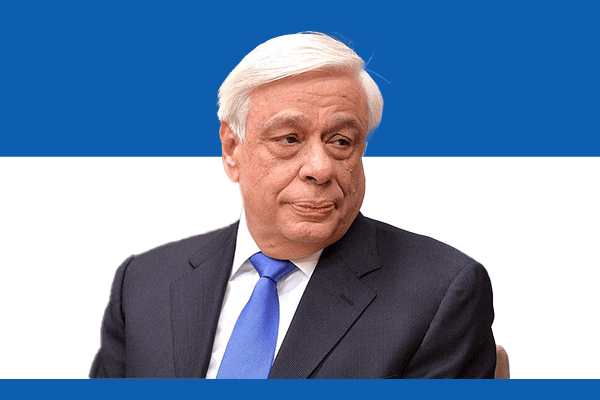
Prokopis Pavlopoulos (2015–2020) emphasized constitutional values during political turbulence.
Current President
The current President of Greece is Katerina Sakellaropoulou, who took office in 2020. She made history as the first woman to hold this position. Her presidency represents progress in gender equality and reflects Greece’s commitment to modern democratic values.
Role and Responsibilities
The President of Greece acts as a guardian of the constitution and a symbol of national unity. While executive power lies primarily with the government and the Prime Minister, the president performs important duties such as appointing the Prime Minister, promulgating laws, and representing Greece internationally.
Conclusion
The presidency in Greece has transitioned from a position of political power to a largely ceremonial role, yet it remains crucial in maintaining democratic traditions. Through different historical phases, Greek presidents have contributed to political stability and national identity, making the office an essential part of the country’s governance system.