PRIME MINISTERS OF ARMENIA
Prime Ministers of Armenia
The office of Prime Minister is the most powerful political position in the Republic of Armenia. While the country gained independence in 1991 after the collapse of the Soviet Union, the role of prime minister has evolved significantly over time. Especially after the 2015 constitutional referendum, Armenia transitioned from a semi-presidential system to a parliamentary republic, making the prime minister the head of government and the central executive authority.
LIST OF PRIME MINISTERS OF ARMENIA
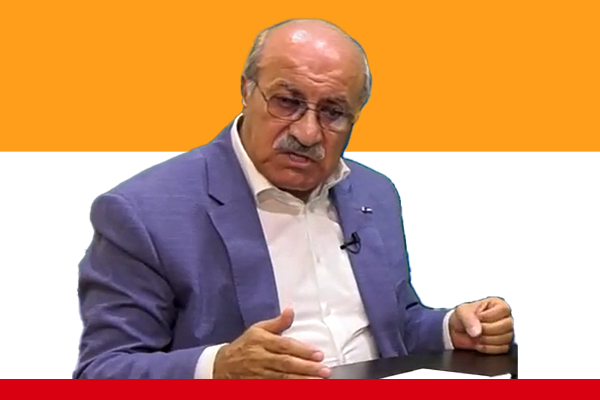
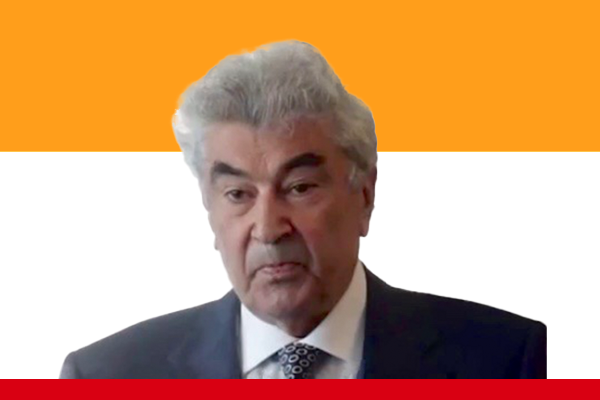
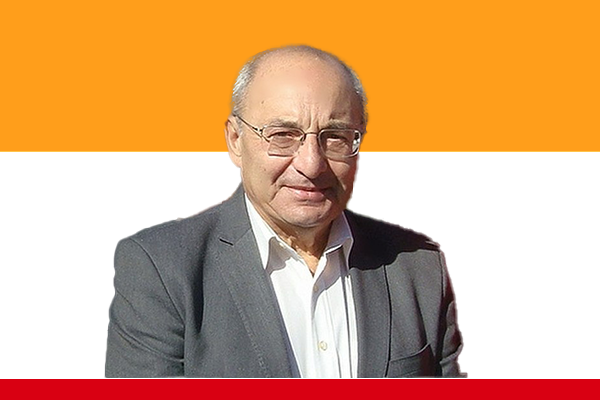
Early Years After Independence
One of the first prime ministers of independent Armenia was Vazgen Manukyan, who served from 1990 to 1991 during the crucial transition from Soviet rule to independence. He played a major role in establishing state institutions and stabilizing the country during political and economic uncertainty.
He was followed by leaders such as Hrant Bagratyan (1993–1996), who introduced major economic reforms aimed at transitioning Armenia to a market economy. His tenure focused on privatization and financial stabilization during a difficult post-war period.
Political Consolidation and Reform
In the early 2000s, Andranik Margaryan served as prime minister from 2000 until his death in 2007. His time in office emphasized political stability and economic development.
Another significant figure was Serzh Sargsyan, who briefly served as prime minister in 2007–2008 before becoming president. He later returned to the premiership in 2018 after constitutional changes shifted power to the prime minister’s office. However, his appointment triggered mass protests known as the Velvet Revolution.
Velvet Revolution and Modern Leadership
The 2018 Velvet Revolution led to the resignation of Serzh Sargsyan and brought opposition leader Nikol Pashinyan to power. Pashinyan became prime minister in May 2018 after widespread public demonstrations demanding democratic reforms and an end to corruption.
Under Pashinyan’s leadership, Armenia has focused on anti-corruption efforts, judicial reforms, and strengthening democratic institutions. However, his tenure has also faced major challenges, including the 2020 Nagorno-Karabakh conflict and ongoing regional tensions.
Role and Responsibilities
Today, the prime minister of Armenia leads the government, determines domestic and foreign policy directions, appoints ministers, and represents the country internationally. The prime minister is elected by the National Assembly and must maintain parliamentary support to remain in office.
Conclusion
Since independence, Armenia’s prime ministers have guided the country through economic transition, political reform, and regional conflict. From early state-building leaders to modern reformers like Nikol Pashinyan, the office continues to shape Armenia’s democratic development and future direction.