PRIME MINISTERS OF AUSTRALIA
Prime Ministers of Australia: Leaders of the Nation
Australia has had a rich history of political leadership since it became a federation in 1901. The Prime Minister serves as the head of government, guiding national policies, representing the country internationally, and leading the Cabinet. Over the years, Australia has seen a diverse range of leaders who have shaped the nation’s economy, society, and global presence.
LIST OF PRIME MINISTERS OF AUSTRALIA




Early Leaders
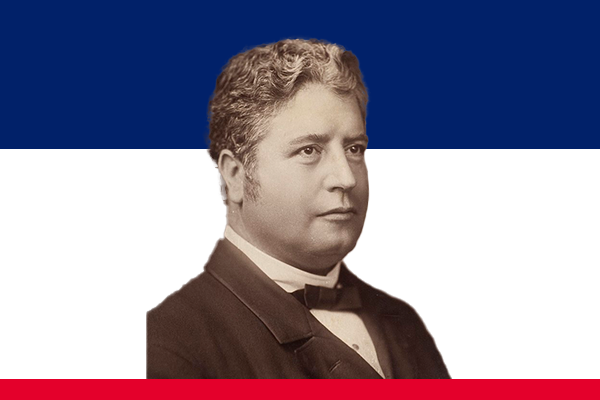
The first Prime Minister of Australia was Edmund Barton, who took office in 1901. He played a crucial role in establishing the federal government and setting up Australia’s legal and political systems. Following Barton, leaders like Alfred Deakin and Andrew Fisher contributed to the development of early national infrastructure and social policies, including education, defense, and workers’ rights.
Mid-20th Century Leaders
During the mid-20th century, Prime Ministers such as Robert Menzies and Ben Chifley influenced Australia’s economic growth and international relations. Menzies, Australia’s longest-serving Prime Minister, focused on strengthening the economy and expanding education, while Chifley implemented social reforms and reconstruction policies after World War II. This era also saw Australia’s increasing involvement in global affairs and alliances, including cooperation with the United States and the United Nations.
Recent Leaders
In recent decades, Prime Ministers like Bob Hawke, Paul Keating, John Howard, and Scott Morrison have addressed modern challenges such as globalization, climate change, and technological innovation. Hawke and Keating introduced economic reforms, while Howard focused on security and international trade. Scott Morrison managed the country during crises like the COVID-19 pandemic and natural disasters, demonstrating leadership in public health and emergency response.
Role and Responsibilities
The Prime Minister leads the executive branch, formulates policies, and represents Australia on the world stage. They work closely with the Cabinet and Parliament to pass legislation and implement national programs. While the Governor-General serves as the ceremonial head of state, the Prime Minister holds real political power and is central to Australia’s democracy.
Legacy of Australian Prime Ministers
Australia’s Prime Ministers have shaped the nation’s identity and global standing. Their leadership reflects the country’s evolving political, social, and economic landscape. From the early federation leaders to contemporary figures, each Prime Minister has contributed to building a modern, resilient, and prosperous Australia.