PRESIDENTS OF BANGLADESH
Presidents of Bangladesh: An Overview
Presidents of Bangladesh Since its independence in 1971, Bangladesh has had a varied succession of heads of state, reflecting the country’s tumultuous political history. Below is a summary of some of the key presidents — and acting presidents — of Bangladesh, highlighting major transitions and shifts in governance.
LIST OF PRESIDENTS OF BANGLADESH


Early Years and Liberation (1971–1975)
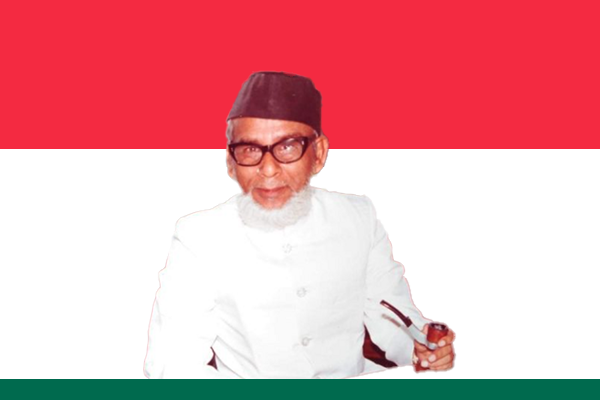
Presidents of Bangladesh Syed Nazrul Islam served as the Acting President during the 1971 War of Liberation, from 17 April 1971 until 12 January 1972.
Sheikh Mujibur Rahman, widely known as Bangabandhu and regarded as the “Father of the Nation,” first became President in exile and, after independence, formally held the presidency.
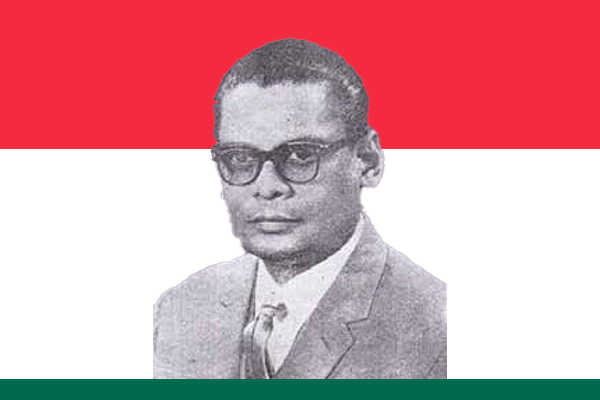
Abu Sayeed Chowdhury succeeded Mujib, serving from January 1972 to December 1973.
Mohammad Mohammadullah became President in December 1973 and served until January 1975.
Mujibur Rahman returned to the presidency in January 1975 after a constitutional amendment.
Political Instability and Coups (1975–1990)
Presidents of Bangladesh Khondaker Mostaq Ahmad took power immediately after Mujib’s assassination on 15 August 1975 in a military coup.
Abu Sadat Mohammad Sayem served as President beginning in November 1975, though under heavy influence from the military.
Ziaur Rahman, a former army general, rose to the presidency in 1977. His rule marked a shift toward a strong executive and he remained in power until his assassination in 1981.
Abdus Sattar, who had been Vice-President, succeeded Zia and served until a coup in 1982.
A. F. M. Ahsanuddin Chowdhury was installed as a more ceremonial head of state in 1982 following another military shift.
Hussain Muhammad Ershad, a military leader, took over later in 1983 and remained President until late 1990, consolidating power under a military-backed government.
Return to Parliamentary Politics (1991–2009)
Presidents of Bangladesh Shahabuddin Ahmed first served as acting President during a caretaker government in 1990–1991, then again as President from 1996 to 2001.
Abdur Rahman Biswas held the presidency from 1991 to 1996 during a return to democratic governance under the parliamentary system.
AQM Badruddoza Chowdhury became President briefly in 2001 but resigned in 2002.
Muhammad Jamiruddin Sircar served as Acting President in 2002.
Iajuddin Ahmed then assumed the presidency from 2002 to 2009; he also served as head of a caretaker government in a critical period.
Recent Presidents (2009–Present)
Presidents of Bangladesh Zillur Rahman was President from February 2009 until his death in March 2013.
Mohammad Abdul Hamid succeeded Rahman and held the role from 2013 until 2023.
Mohammed Shahabuddin is the current President (since April 2023).
Significance and Patterns
The presidency in Bangladesh has alternated between military and democratic rule, reflecting the country’s political instability, especially in the 1970s and 1980s.