PRIME MINISTERS OF BANGLADESH
Prime Ministers of Bangladesh
The office of the Prime Minister of Bangladesh plays a central role in shaping the nation’s political direction, economic policies, and developmental strategies. Since the country’s independence in 1971, several leaders have held this position and contributed to shaping Bangladesh’s democratic and administrative framework.
LIST OF PRIME MINISTERS OF BANGLADESH
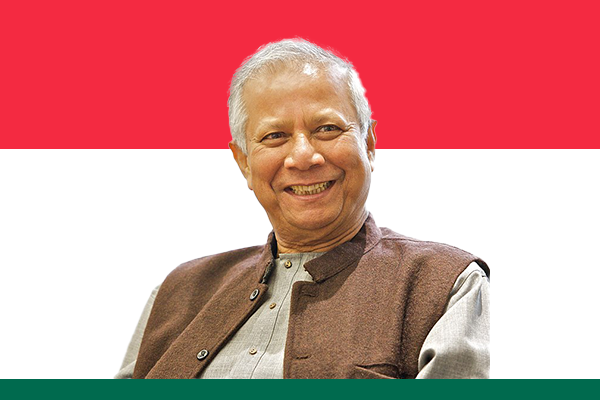
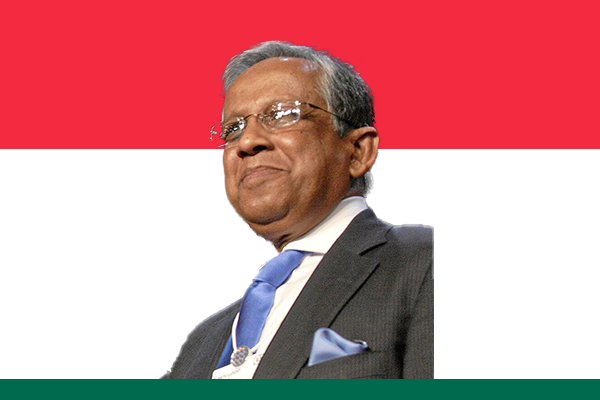


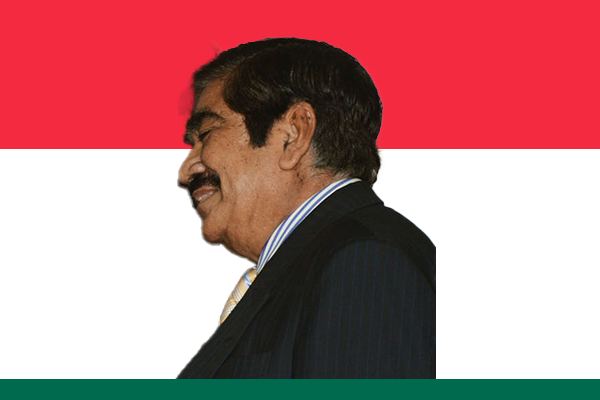
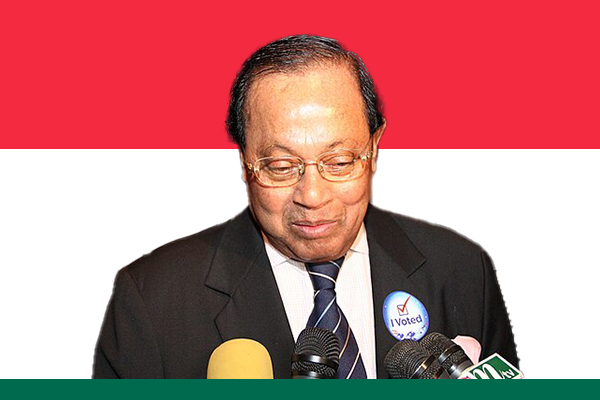





The Early Prime Ministers
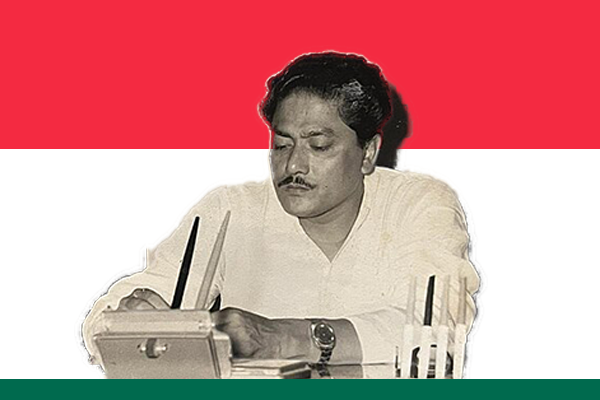
Prime Ministers of Bangladesh Tajuddin Ahmad became the first, guiding the wartime government during the Liberation War. He built the foundation for administrative structure and national governance. After independence, Sheikh Mujibur Rahman initially served as President but later became Prime Minister in 1972, playing an influential role in forming the Constitution and rebuilding a war-torn nation. His leadership focused on social equality, secularism, and national unity.
Political Transitions and Instability
Following the assassination of Sheikh Mujibur Rahman in 1975, Bangladesh entered a period of political instability. Muhammad Mansur Ali briefly served as Prime Minister before political turmoil led to the restructuring of government powers. During the late 1970s and early 1980s, the country saw changes under military-influenced governments, which reduced the prominence of the Prime Minister’s role. The parliamentary system was eventually restored in 1991, marking a return to democratic governance and enhancing the authority of the Prime Minister’s office.
Return to Parliamentary Democracy
Khaleda Zia became the first female Prime Minister after the restoration of parliamentary democracy. She focused on economic liberalization, rural development, and international relations. Her leadership marked a significant moment in South Asian politics, as she became one of the region’s first women to lead a government.
Sheikh Hasina, daughter of Sheikh Mujibur Rahman, emerged as another major figure in Bangladesh’s political landscape. Her multiple terms as Prime Minister emphasized economic growth, infrastructure expansion, women’s empowerment, and digital transformation. Under her leadership, Bangladesh witnessed notable improvements in health, education, and poverty reduction.
Contemporary Prime Ministers and Governance
The Prime Minister continues to serve as the chief executive of the country, guiding policymaking, national security, and development priorities. The role involves overseeing the cabinet, ensuring the implementation of laws, and representing Bangladesh on international platforms.
Political rivalry between major parties, particularly the Awami League and the Bangladesh Nationalist Party (BNP), has shaped much of the country’s modern governance. Despite challenges, the Prime Minister’s position remains essential to maintaining stability, promoting economic progress, and addressing issues such as climate change, population growth, and sustainable development.
Conclusion
The Prime Ministers of Bangladesh have played a defining role in the nation’s political evolution. From wartime leadership to modern-day development policies, their contributions continue to influence Bangladesh’s identity and progress.