VICE PRESIDENTS OF BRAZIL
Introduction
The Vice President of Brazil serves as the second-highest executive official in the country, directly after the President. Elected alongside the President, the Vice President plays a crucial role in ensuring continuity of governance and assisting in executive responsibilities. While the position often receives less public attention than the presidency, it has historically influenced Brazil’s political landscape in significant ways.
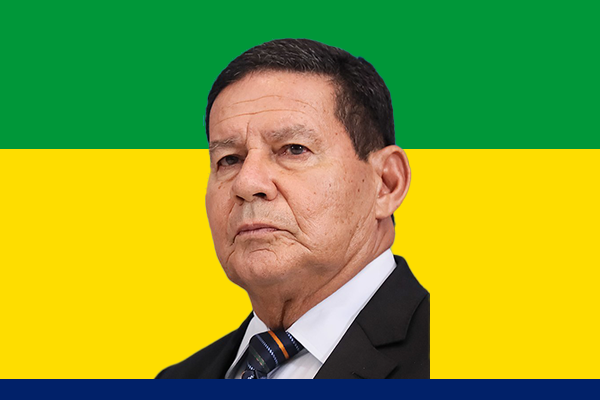
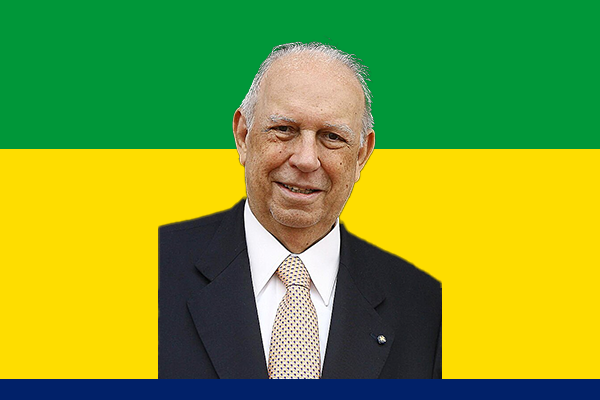
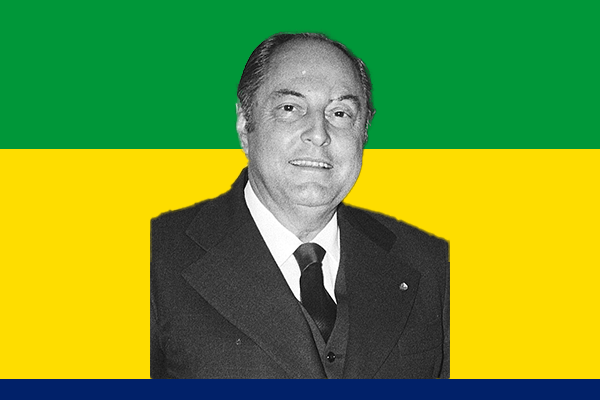
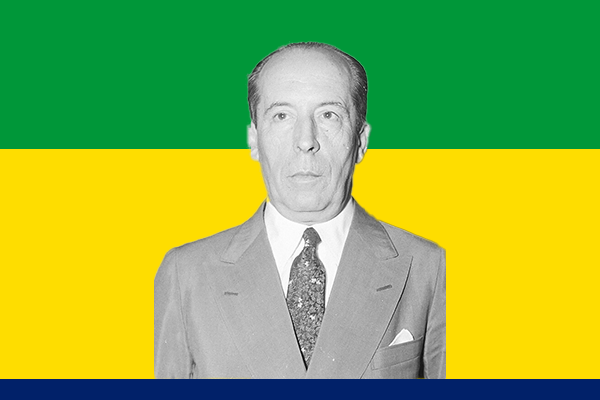
LIST OF VICE PRESIDENTS OF BRAZIL








Historical Background
The office of the Vice President in Brazil was established in 1889, following the proclamation of the Republic. Initially, the role focused primarily on stepping in if the President was unable to perform their duties. Over time, the office evolved to include more active involvement in government policies and national affairs. During periods of political instability or presidential absence, the Vice President often assumed leadership responsibilities, shaping key decisions.
Roles and Responsibilities
The Vice President’s main responsibility is to replace the President in cases of death, resignation, or incapacitation. Additionally, the Vice President can serve in government committees, represent Brazil in international forums, and support presidential initiatives. Although the position does not inherently hold legislative power, Vice Presidents often influence policy-making indirectly through advisory roles and collaboration with the President.
Notable Vice Presidents
Several Brazilian Vice Presidents have left lasting marks on the country’s history. José Sarney, who served as Vice President from 1979 to 1985, became President after the death of Tancredo Neves, guiding Brazil through a transition to democracy. Michel Temer, Vice President from 2011 to 2016, also assumed the presidency following the impeachment of Dilma Rousseff, demonstrating how the office can play a decisive role in political continuity. Other notable figures include Itamar Franco, who contributed to economic stabilization and institutional reforms when stepping into the presidency.
Modern Significance
In contemporary Brazil, the Vice Presidency remains a vital institution. Modern Vice Presidents often manage specific government portfolios, contribute to domestic and foreign policy discussions, and act as political strategists for their parties. The office serves as both a safeguard against political crises and a platform for emerging leaders within Brazilian politics.
Conclusion
Though often overshadowed by the presidency, the Vice President of Brazil occupies a key position in ensuring government stability and continuity. From historical figures who shaped the nation to modern leaders guiding policy decisions, the Vice Presidency remains an essential component of Brazil’s democratic framework.