KINGS OF CANADA
A Historical Overview
Canada, as part of the British Commonwealth, shares its monarchy with the United Kingdom and other realms. The Canadian monarchy has evolved over time, with its roots in British colonial history. The Kings of Canada have played a symbolic and constitutional role in shaping the nation’s identity, even as Canada moved toward full sovereignty.
LIST OT KINGS OF CANADA


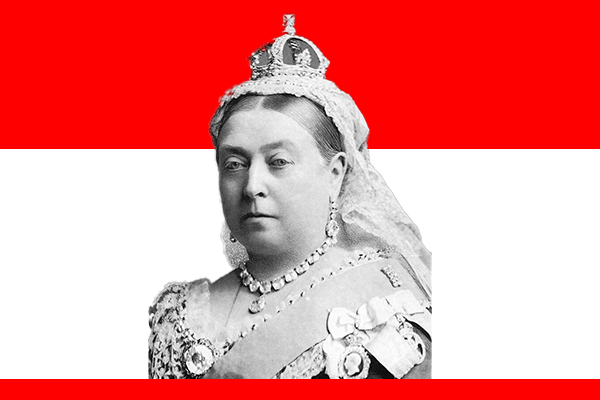
Early Monarchy and Colonial Period
Canada became part of the British Empire after France ceded its North American territories to Britain in 1763 under the Treaty of Paris. At that time, Canada did not have its own kings — it was a colony governed by the British monarch. Initially, British monarchs ruled as Kings of Great Britain, with Canada as a colony. Their power was represented through governors and colonial administrators rather than direct governance.
Establishment of the Canadian Monarchy
The monarchy in Canada officially gained a distinct identity after the Confederation of Canada in 1867. However, tKings of Canada he reigning monarch remained the same as in the United Kingdom. The title “Kings of Canada” was first used in 1953 during the reign of King George VI and later continued with subsequent monarchs.
Some Important Kings
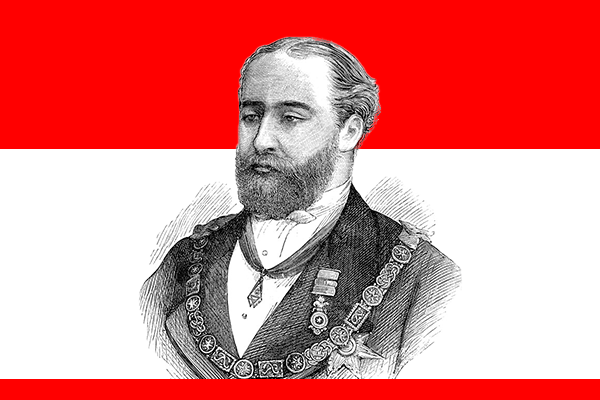
- King Edward VII (1901–1910): He became the first monarch of the newly federated Canada.
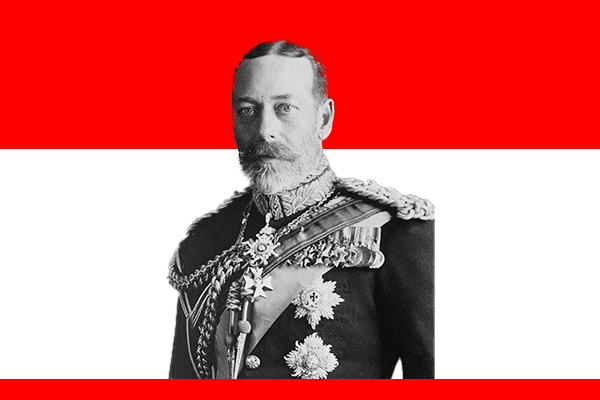
- King George V (1910–1936): His reign saw World War I and Canada’s growing independence.
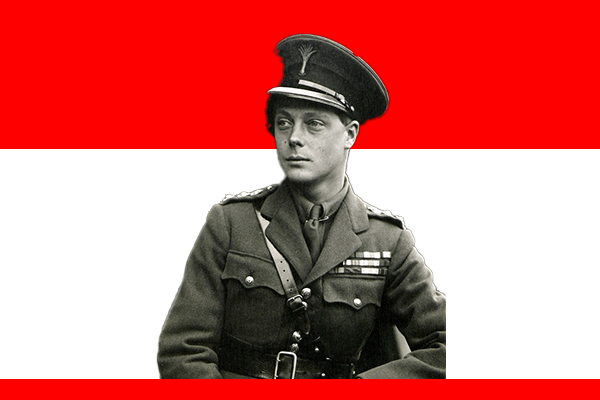
- King Edward VIII (1936): Abdicated the throne after less than a year, leading to his brother’s coronation.
- King George VI (1936–1952): Oversaw Canada during World War II and signed the Statute of Westminster, granting Canada legislative independence.
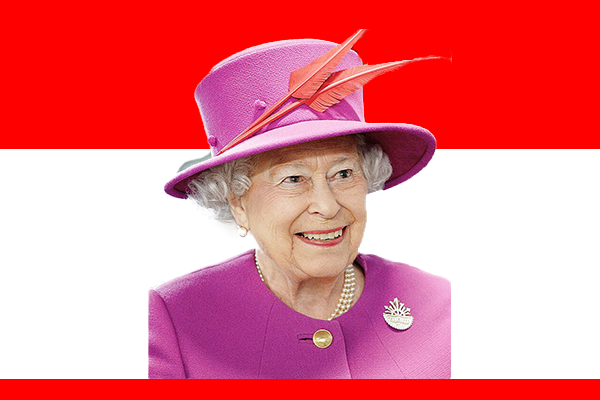
- King Charles III (2022–Present): The current King of Canada following Queen Elizabeth II’s passing in 2022.
Role of Kings in Modern Canada
Kings of Canada Today, serves as a constitutional monarch. His duties are mostly ceremonial, with real political power resting in Canada’s parliament and the Prime Minister. The monarchy remains a unifying symbol of tradition, heritage, and continuity for the nation.