PRIME MINISTERS OF MOLDOVA
Prime Ministers of Moldova
The Prime Minister of Moldova is the head of the country’s government and plays a vital role in managing national administration, implementing laws, and shaping domestic and foreign policies. Since Moldova declared independence from the Soviet Union in 1991, the office of the Prime Minister has become one of the most important political positions in the country. The Prime Minister is appointed by the President and must receive the approval of the Parliament before taking office. Over the years, Moldova has had several Prime Ministers who have guided the nation through political reforms, economic challenges, European integration efforts, and regional issues.
LIST OF PRIME MINISTERS OF MOLDOVA
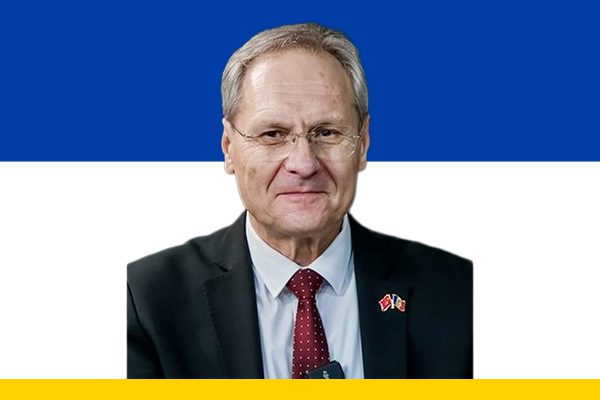
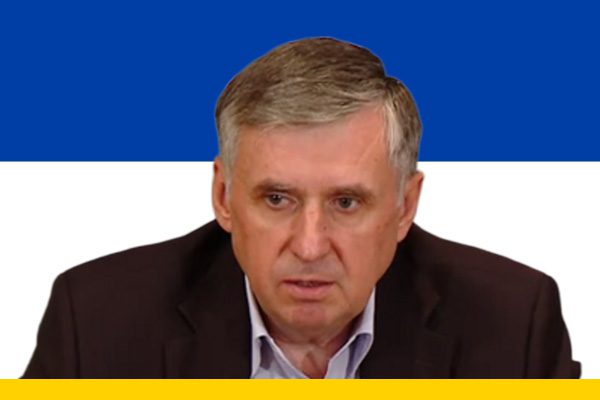
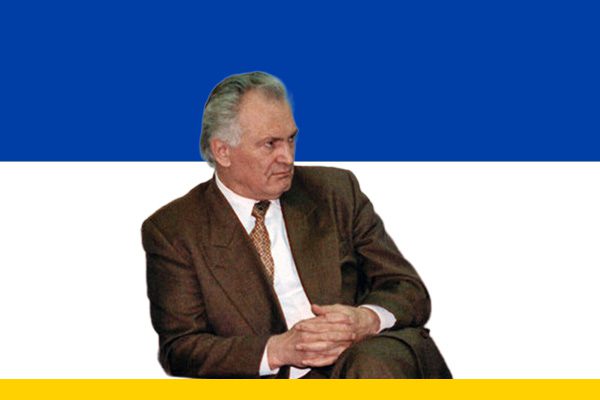
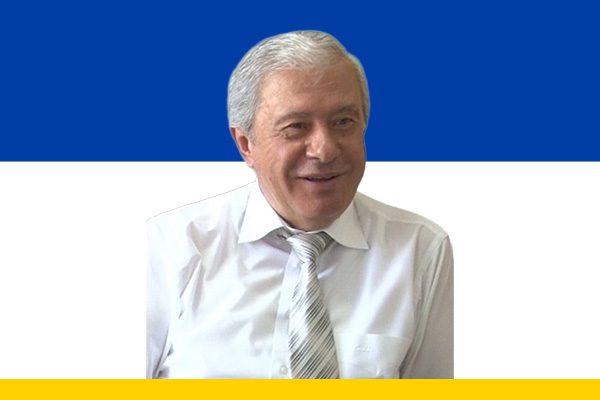
Early Years After Independence
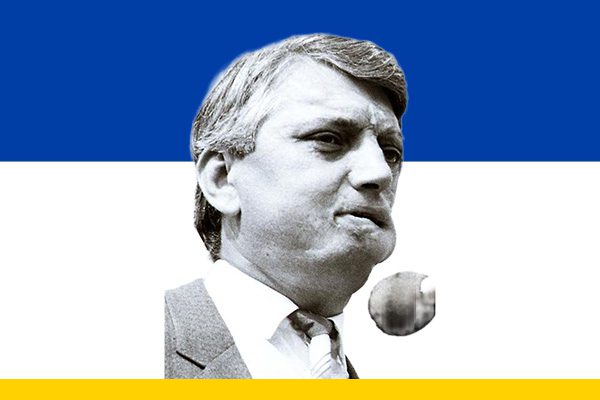
Following independence in 1991, Valeriu Muravschi became one of the country’s first Prime Ministers. His government focused on establishing democratic institutions and transitioning from a centrally planned economy to a market-based system. These early years were marked by economic uncertainty and political restructuring.
He was succeeded by Andrei Sangheli, who served one of the longest terms in Moldova’s early history. His administration concentrated on agricultural reforms, economic stabilization, and maintaining national unity during a challenging period.
Political and Economic Reforms
During the late 1990s and early 2000s, Moldova experienced frequent political changes. Ion Ciubuc, Ion Sturza, and Dumitru Braghiș introduced policies aimed at improving economic performance and attracting foreign investment.
Later, Vasile Tarlev oversaw a period of relative economic growth and infrastructure development. His government emphasized industrial production, social welfare, and stronger trade relations.
Modern Leadership
In recent years, Moldova has witnessed significant political reforms and a stronger focus on European integration. Natalia Gavrilița led the government during a period marked by economic recovery, energy security concerns, and efforts to strengthen democratic institutions. Her administration also promoted judicial reforms and closer cooperation with European partners.
In 2023, Dorin Recean assumed office. His government has prioritized national security, economic modernization, anti-corruption measures, and advancing Moldova’s path toward membership in the European Union. Recean has also focused on improving public services, attracting investment, and strengthening Moldova’s resilience against regional security challenges.
Responsibilities of the Prime Minister
The Prime Minister leads the Cabinet of Ministers, coordinates government ministries, prepares national policies, oversees the implementation of legislation, and represents Moldova in international affairs. The office also plays a key role in preparing the national budget, promoting economic development, and ensuring the effective functioning of public administration.
Conclusion
The Prime Ministers of Moldova have played a crucial role in shaping the country’s political and economic development since independence. From establishing democratic institutions to pursuing European integration and modern reforms, each Prime Minister has contributed to Moldova’s progress in different ways. Despite facing economic difficulties and political challenges, Moldova continues to strengthen its democratic system under the leadership of its Prime Ministers, who remain central to the country’s governance and future development.