PRIME MINISTERS OF NETHERLANDS
Prime Ministers of the Netherlands
The Netherlands, a constitutional monarchy in Western Europe, operates under a parliamentary system where the Prime Minister serves as the head of government. The role involves leading the Council of Ministers, shaping national policy, and representing the country both domestically and internationally. Over time, Dutch Prime Ministers have played a crucial role in maintaining political stability, economic growth, and social progress.
LIST OF PRIME MINISTERS OF NETHERLANDS
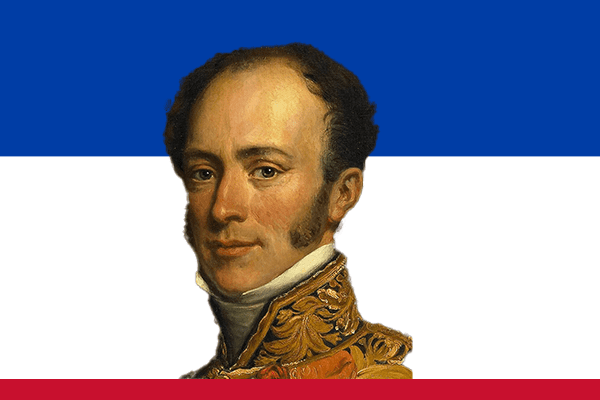
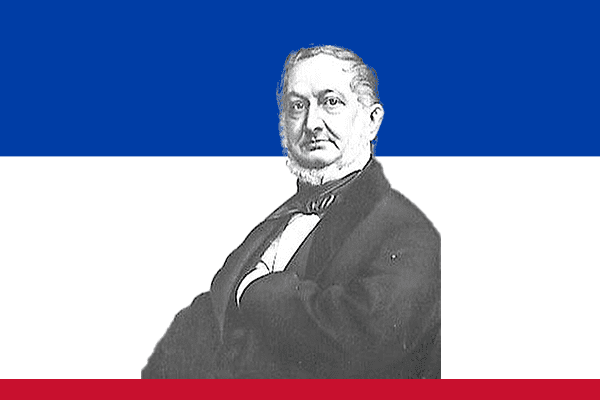
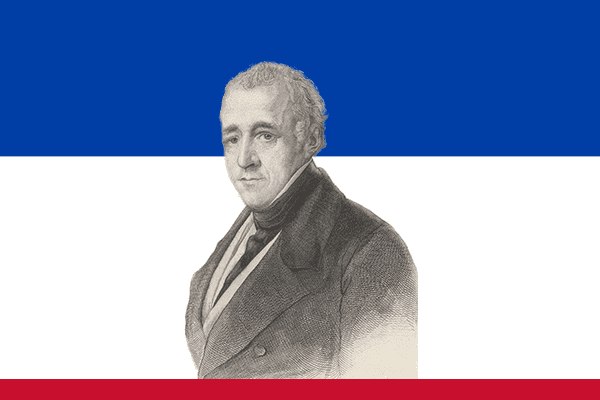
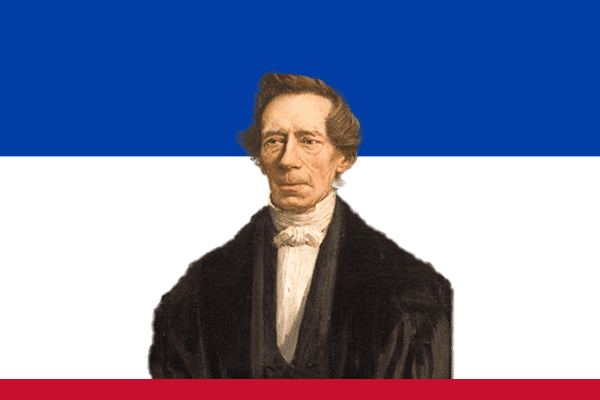
Early Leadership and Formation
The office of Prime Minister in the Netherlands became more clearly defined during the 19th century. One of the earliest influential figures was Johan Rudolph Thorbecke, who, although not officially titled Prime Minister, laid the foundation for parliamentary democracy through constitutional reforms in 1848. These reforms limited the monarch’s powers and strengthened the role of elected representatives.
The first officially recognized Prime Minister is often considered to be Theo Heemskerk, who served in the early 20th century. During this period, the Dutch political system evolved with multiple parties representing religious and ideological groups.
Interwar and Post-War Leaders
During the early 20th century, leaders such as Hendrikus Colijn guided the country through economic challenges, including the Great Depression. His tenure focused on fiscal discipline and maintaining neutrality in international conflicts.
After World War II, the Netherlands underwent reconstruction and modernization. Willem Drees became one of the most respected leaders, serving from 1948 to 1958. He introduced key social welfare reforms, including old-age pensions, which significantly improved living standards.
Modern Political Era
In the later 20th century, Dutch politics saw coalition governments become the norm. Ruud Lubbers served from 1982 to 1994, making him one of the longest-serving Prime Ministers. He focused on economic reforms, reducing unemployment, and strengthening the Netherlands’ position within Europe.
Another significant figure is Wim Kok, who led from 1994 to 2002. His government promoted a “polder model” of consensus-based economic policy, balancing market growth with social welfare.
Recent Leadership
In the 21st century, Jan Peter Balkenende served multiple terms between 2002 and 2010, navigating economic reforms and European Union matters.
The longest-serving Prime Minister in Dutch history is Mark Rutte, who held office from 2010 to 2024. Known for his pragmatic leadership, Rutte managed challenges such as the global financial aftermath, migration issues, and the COVID-19 pandemic.
Conclusion
The Prime Ministers of the Netherlands have shaped the nation through different historical phases, from constitutional reform to modern globalization. Their leadership reflects the Dutch tradition of consensus, cooperation, and adaptability. As coalition politics continues to define governance, future Prime Ministers will likely maintain this balanced and inclusive approach to leadership.