PRIME MINISTERS OF PHILIPPINES
Prime Ministers of the Philippines
The position of Prime Ministers of Philippines existed only for a short period in the country’s political history. It was established during the parliamentary government experiment under the 1973 Constitution and was abolished in 1986 after the People Power Revolution. Despite its brief existence, the role of Prime Minister marked an important phase in the evolution of Philippine governance.
LIST OF PRIME MINISTERS OF PHILIPPINES
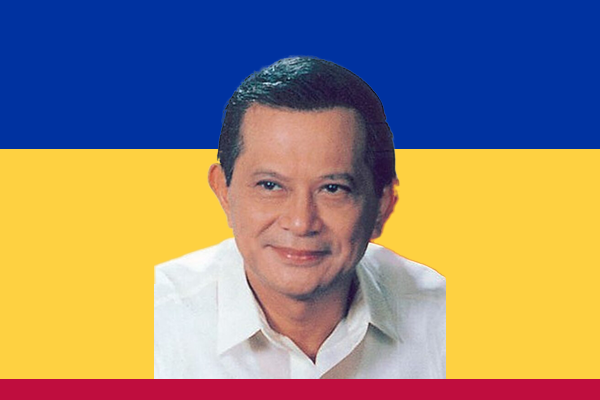
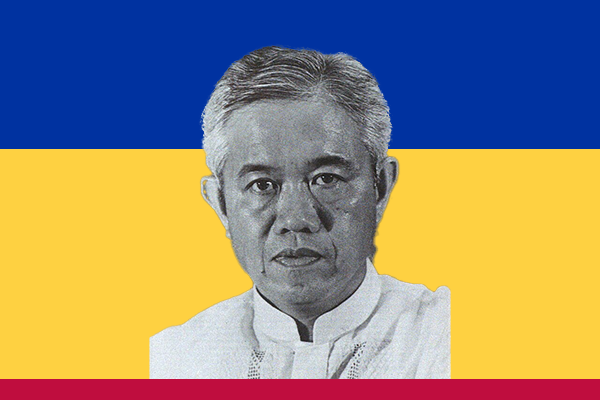
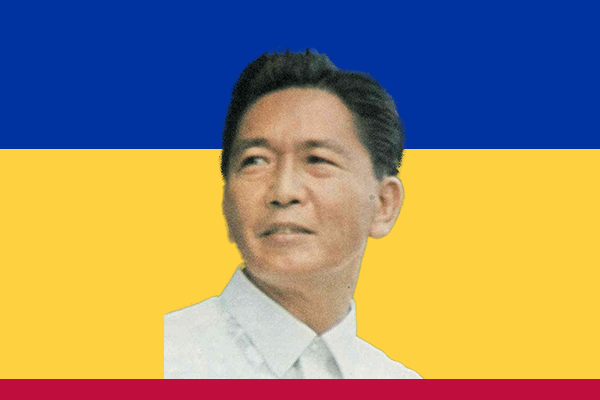
The Creation of the Prime Ministership
The 1973 Constitution, adopted under President Ferdinand Marcos, introduced a parliamentary system in which executive power was shared between the President and the Prime Minister. The aim was to create a government that was both representative and efficient. However, due to Marcos’s strong influence, the position initially remained largely symbolic, with most powers still concentrated in the presidency.
Ferdinand Marcos: The First Prime Minister
Ferdinand Marcos became the first Prime Minister of the Philippines in 1978 while also serving as President. His dual role gave him total control over the government. During his tenure, Marcos used the parliamentary framework to legitimize his rule under martial law. Although the position of Prime Minister was intended to decentralize authority, Marcos maintained absolute power.
Cesar Virata: The Technocrat Prime Minister
In 1981, Ferdinand Marcos appointed Cesar Virata as Prime Minister. Virata, an economist and technocrat, focused on managing the country’s economy and representing the Philippines in international financial institutions. His leadership style was administrative rather than political. Virata introduced reforms to stabilize the economy, but corruption, cronyism, and growing political unrest overshadowed his efforts. The economic crisis of the early 1980s and rising public discontent weakened his government’s credibility.
The Abolition of the Office
The position of Prime Ministers of Philippines was abolished after the 1986 People Power Revolution, which ousted Ferdinand Marcos and restored a presidential form of government under the new 1987 Constitution. Corazon Aquino, who succeeded Marcos, re-established a purely presidential system to prevent future concentration of power and to restore democratic governance.
Legacy of the Prime Ministership
Although short-lived, the office of the Prime Minister demonstrated the Philippines’ attempt to experiment with different systems of governance. It highlighted the challenges of balancing executive power in a developing democracy. The experience underscored the importance of checks and balances, transparency, and accountability in leadership.
Today, the Philippines remains under a presidential system, but discussions about shifting to a parliamentary or semi-parliamentary government occasionally resurface. The brief history of the Prime Ministership serves as a reminder of the country’s continuous search for a government structure that best represents the will and welfare of its people.