VICE PRESIDENTS OF PHILIPPINES
Vice Presidents of the Philippines
The Vice President of the Philippines is the second-highest executive official in the government, directly succeeding the President if the office becomes vacant. This position plays a vital role in ensuring stability and continuity in leadership. Since the establishment of the Philippine Republic, the vice presidency has been filled by influential figures who have contributed greatly to the nation’s political, social, and economic development.
LIST OF VICE PRESIDENTS OF PHILIPPINES
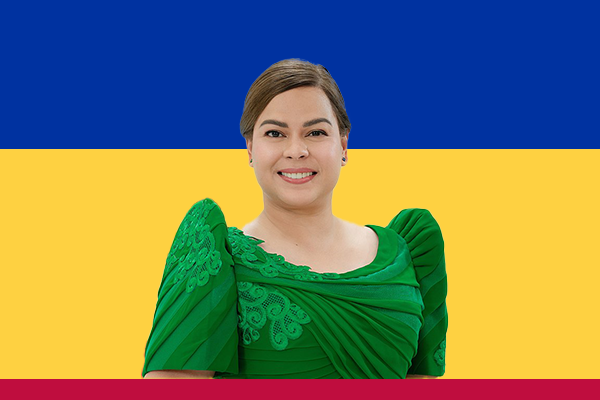


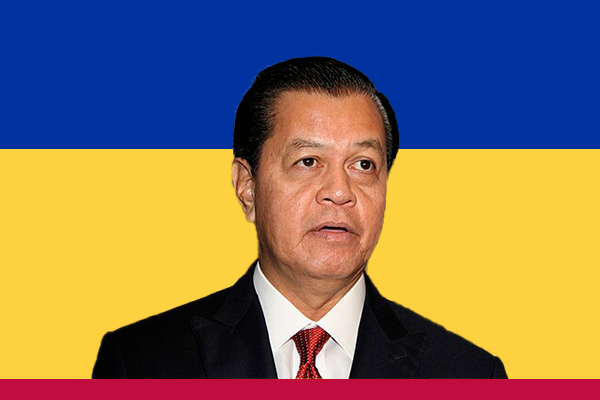

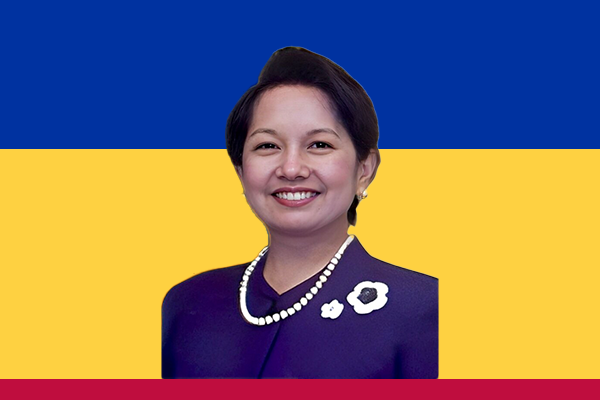

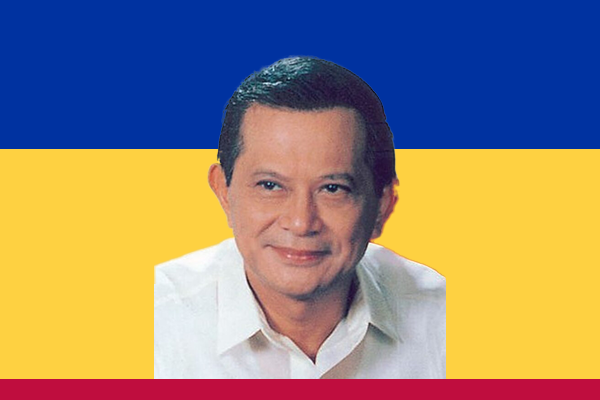
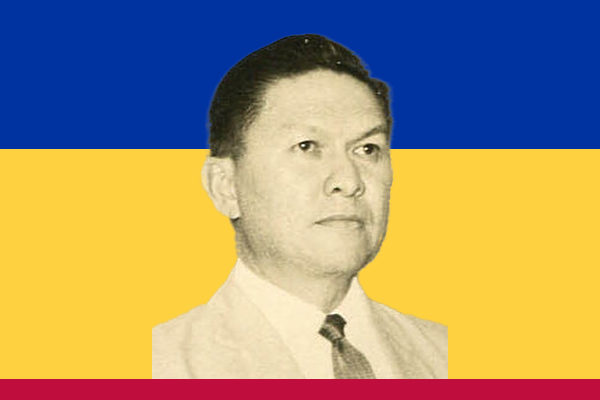
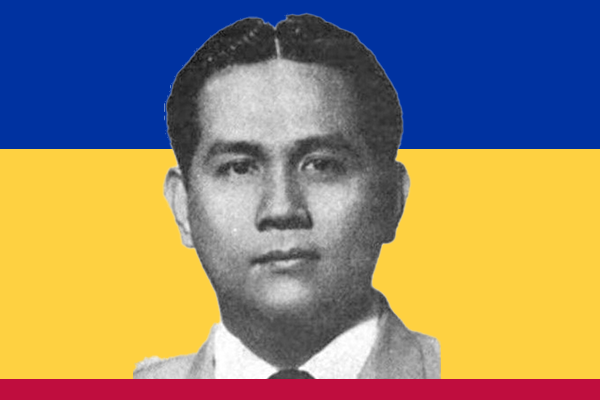
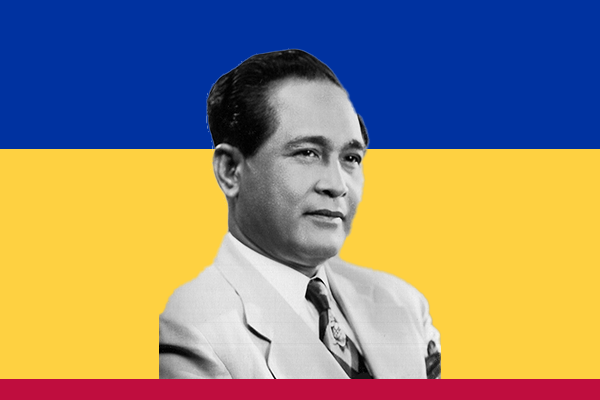

Historical Background
The office of the Vice President was first established under the 1935 Constitution during the Commonwealth period. Sergio Osmeña became the first Vice President of the Philippines, serving under President Manuel L. Quezon. His leadership during World War II and the nation’s transition to independence set a strong precedent for future vice presidents. The position was later abolished in 1972 under the Marcos regime but was reinstated in 1986 after the People Power Revolution.
Role and Responsibilities
The Vice President’s primary constitutional duty is to assume the presidency if the incumbent President cannot perform their duties. However, the Vice President may also be appointed to a Cabinet position, allowing them to participate actively in policy making and governance. Over the years, many vice presidents have held significant portfolios, influencing sectors like foreign affairs, housing, and social welfare.
Notable Vice Presidents
Several vice presidents have left a lasting mark on Philippine history. Elpidio Quirino succeeded to the presidency after the death of President Manuel Roxas and later implemented post-war reconstruction programs. Diosdado Macapagal also rose from vice president to president and was known for promoting economic independence.
In more recent times, Joseph Estrada and Gloria Macapagal Arroyo both served as vice presidents before becoming presidents. Their transitions showcased the office’s importance as a stepping stone to the highest leadership position. Leni Robredo, who served from 2016 to 2022, became known for her advocacy for transparency, women’s empowerment, and good governance, even while working independently of the administration.
Modern Significance
Today, the Vice President continues to symbolize the democratic will of the Filipino people. Elected separately from the President, the Vice President may come from a different political party, ensuring checks and balances within the executive branch. The office also serves as a voice for national unity and public welfare.
Conclusion
Throughout history, the Vice Presidents of the Philippines have played a crucial role in shaping the nation’s destiny. From assisting in governance to assuming leadership during crises, they have embodied resilience and dedication. The office remains an essential part of Philippine democracy, safeguarding continuity, stability, and the people’s trust in their government.