KINGS OF SAUDI ARABIA
Kings of Saudi Arabia
The King of Saudi Arabia is the head of state, head of government, and the supreme authority of the Kingdom. Since the foundation of modern Saudi Arabia in 1932, the country has been ruled by the Al Saud family. Each king has played a significant role in shaping Saudi Arabia’s political system, economy, and position in the Islamic world.
LIST OT KINGS OF SAUDI ARABIA
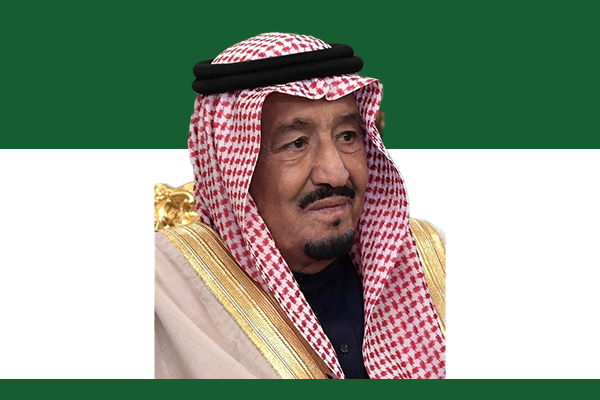

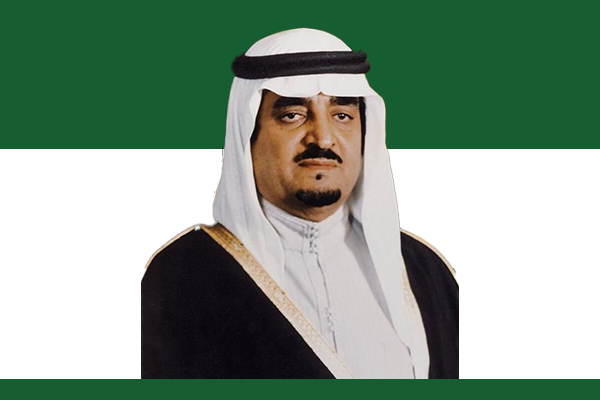


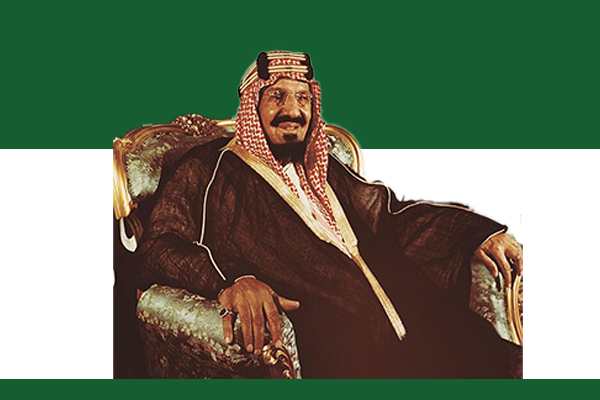
King Abdulaziz Ibn Saud (1932–1953)
King Abdulaziz, also known as Ibn Saud, was the founder of modern Saudi Arabia. Through military skill, diplomacy, and alliances, he unified most of the Arabian Peninsula under one rule. He established the basic administrative structure of the state and laid the foundations of governance based on Islamic law. His leadership created stability in a region long marked by tribal conflicts.
King Saud bin Abdulaziz (1953–1964)
King Saud succeeded his father and focused on developing government institutions, education, and healthcare. During his reign, Saudi Arabia expanded its infrastructure and public services. However, financial mismanagement and political challenges led to tensions within the royal family, resulting in his removal from power.
King Faisal bin Abdulaziz (1964–1975)
King Faisal is remembered as one of Saudi Arabia’s most influential rulers. He strengthened the state’s administration, promoted modernization, and emphasized Islamic unity. Internationally, he gained prominence during the 1973 oil crisis, when Saudi Arabia used oil policy as a political tool. His assassination in 1975 marked a major turning point in the kingdom’s history.
King Khalid bin Abdulaziz (1975–1982)
King Khalid’s reign was characterized by rapid economic growth driven by rising oil revenues. Large investments were made in infrastructure, education, and urban development. Although he ruled during a period of prosperity, real administrative responsibilities were often managed by senior princes.
King Fahd bin Abdulaziz (1982–2005)
King Fahd adopted the title Custodian of the Two Holy Mosques, highlighting Saudi Arabia’s role in protecting Islam’s holiest sites. His rule saw major expansion of the Grand Mosque in Mecca and the Prophet’s Mosque in Medina. He also introduced the Basic Law of Governance, shaping the modern political framework of the kingdom.
King Abdullah bin Abdulaziz (2005–2015)
King Abdullah focused on gradual reform, social development, and education. He promoted dialogue between cultures and religions and expanded scholarship programs for Saudi students abroad. Domestically, he introduced limited reforms to modernize the economy and society.
King Salman bin Abdulaziz (2015–Present)
King Salman continues to lead Saudi Arabia in a period of significant transformation. His reign has emphasized economic diversification, regional influence, and administrative restructuring. Under his leadership, Saudi Arabia is navigating social change while maintaining its traditional values.
Conclusion
The kings of Saudi Arabia have guided the kingdom from tribal unification to a modern state with global influence. Each ruler has contributed uniquely to the nation’s political stability, economic growth, and religious significance.