PRIME MINISTERS OF SAUDI ARABIA
Prime Ministers of Saudi Arabia
The Prime Minister of Saudi Arabia is the head of government of the Kingdom. Unlike many parliamentary systems, Saudi Arabia is an absolute monarchy, and the position of prime minister has traditionally been held by the King himself. The Council of Ministers assists the prime minister in governance, policy-making, and administration. Since the formation of modern Saudi Arabia in 1932, all kings have served as prime ministers, with a brief historical exception.
LIST OF PRIME MINISTERS OF SAUDI ARABIA

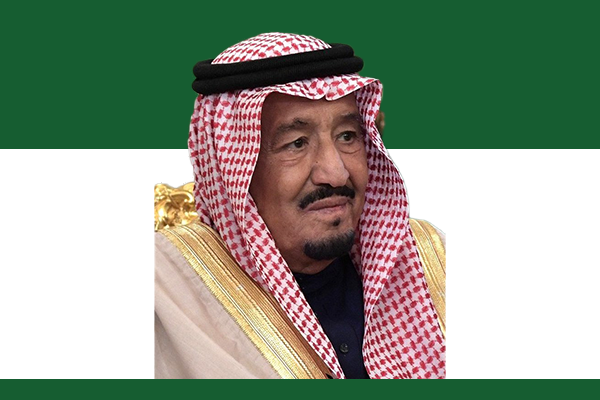
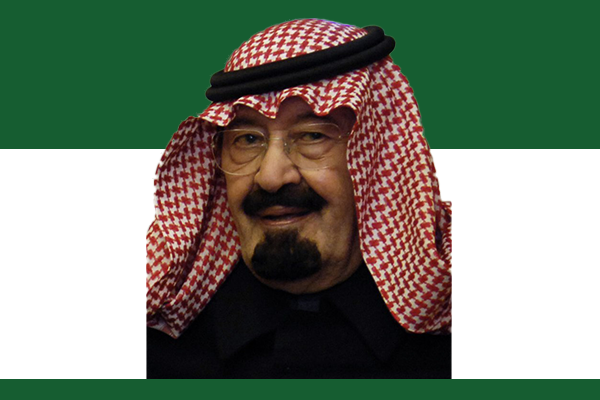
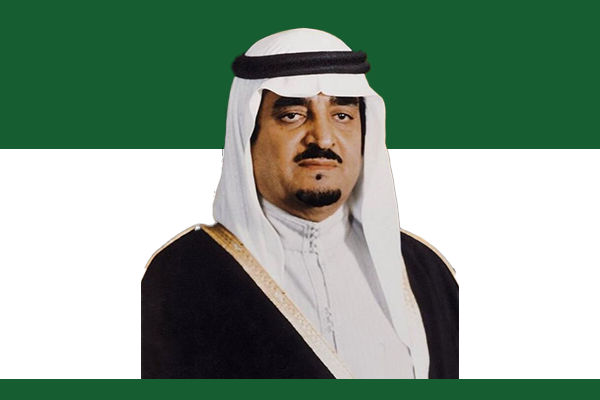

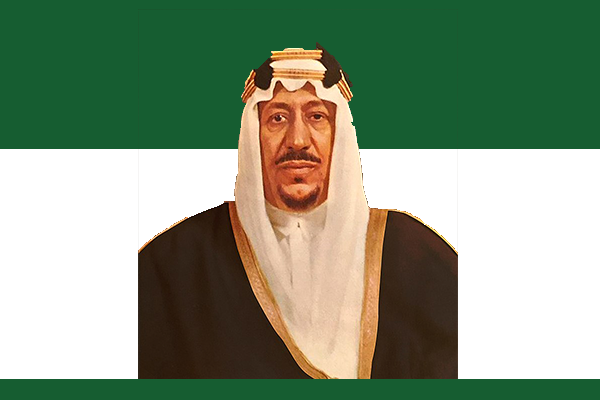
King Abdulaziz Ibn Saud (1932–1953)
King Abdulaziz Al Saud, the founder of modern Saudi Arabia, was the first prime minister of the Kingdom. He unified the Arabian Peninsula through diplomacy and military campaigns. As prime minister, he established the foundations of governance, legal systems based on Islamic law, and centralized administration. His leadership laid the political and institutional framework of Saudi Arabia.
King Saud bin Abdulaziz (1953–1964)
After King Abdulaziz’s death, King Saud assumed the role of prime minister. His reign focused on expanding education, infrastructure, and healthcare. However, administrative challenges and financial difficulties marked his tenure. Political disagreements eventually led to his removal, making him the only Saudi king to be formally deposed.
King Faisal bin Abdulaziz (1964–1975)
King Faisal served as prime minister during a period of modernization and reform. He strengthened government institutions, promoted education for both men and women, and played a key role in global Islamic leadership. Internationally, he became prominent during the 1973 oil embargo, which reshaped Saudi Arabia’s global influence.
King Khalid bin Abdulaziz (1975–1982)
King Khalid’s term as prime minister coincided with rapid economic growth due to rising oil revenues. His government focused on infrastructure development, industrial expansion, and social welfare. Though less politically assertive, his leadership ensured stability and continuity.
King Fahd bin Abdulaziz (1982–2005)
King Fahd served as prime minister during a transformative era. He introduced administrative reforms, expanded higher education, and strengthened defense capabilities. He also adopted the title Custodian of the Two Holy Mosques, emphasizing Saudi Arabia’s religious role. Despite health challenges later in his reign, his policies shaped modern Saudi governance.
King Abdullah bin Abdulaziz (2005–2015)
As prime minister, King Abdullah promoted gradual reforms, including economic diversification, educational scholarships, and limited social reforms. He emphasized interfaith dialogue and improved Saudi Arabia’s international relations while maintaining traditional values.
King Salman bin Abdulaziz (2015–2022)
King Salman served as prime minister while restructuring the government and strengthening national institutions. His tenure focused on security, administrative efficiency, and preparing the Kingdom for economic transformation.
Crown Prince Mohammed bin Salman (2022–Present)
In 2022, Crown Prince Mohammed bin Salman was appointed prime minister, marking a historic shift. He leads major reforms under Vision 2030, focusing on economic diversification, social change, and global engagement. His leadership represents a new phase in Saudi governance.