VICE PRESIDENTS OF SAUDI ARABIA
Vice Presidents of Saudi Arabia
Saudi Arabia does not have an official post called “Vice President” in its political system. The country follows a monarchical system based on Islamic law, where the King is the head of state and government. However, responsibilities similar to a vice president are traditionally carried out by the Crown Prince, who also serves as the Deputy Prime Minister. Over the years, several senior princes have held this position and effectively acted as second-in-command.
LIST OF VICE PRESIDENTS OF SAUDI ARABIA


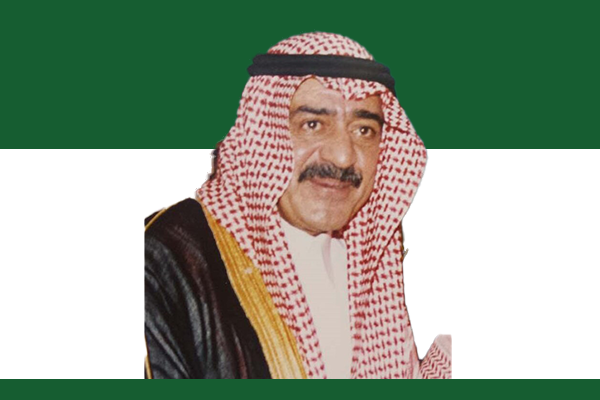
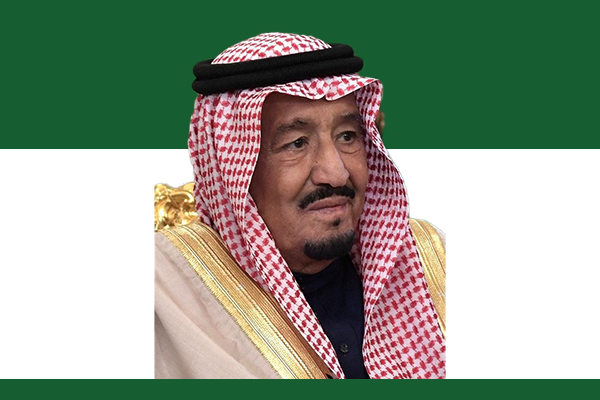



Political Structure of Saudi Arabia
In Saudi Arabia, executive authority rests with the King, who appoints ministers and senior officials. The Crown Prince is first in line to the throne and assists the King in governing the country. As Deputy Prime Minister, the Crown Prince performs duties similar to those of a vice president in other nations, including overseeing ministries, representing the King, and managing state affairs during the King’s absence.
Crown Prince Faisal bin Abdulaziz (1953–1964)
Prince Faisal served as Crown Prince and Deputy Prime Minister during the reign of King Saud. He played a crucial role in stabilizing the country’s finances and modernizing administration. In 1964, he became King Faisal and continued reforms until his assassination in 1975.
Crown Prince Fahd bin Abdulaziz (1975–1982)
Before becoming King, Prince Fahd served as Crown Prince and Deputy Prime Minister under King Khalid. He was deeply involved in governance and development planning. His experience as Deputy Prime Minister prepared him for his long reign as King Fahd, marked by modernization and infrastructure growth.
Crown Prince Abdullah bin Abdulaziz (1982–2005)
Prince Abdullah served as Deputy Prime Minister for more than two decades under King Fahd. During King Fahd’s illness, Abdullah effectively ran the government. His leadership emphasized gradual reform, education, and balanced foreign relations. He later became King Abdullah in 2005.
Crown Prince Salman bin Abdulaziz (2012–2015)
Before ascending the throne, Prince Salman served as Crown Prince and Deputy Prime Minister under King Abdullah. Known for administrative efficiency, he had earlier governed Riyadh Province for decades. His experience helped ensure a smooth transition when he became King in 2015.
Crown Prince Mohammed bin Salman (2017–Present)
Prince Mohammed bin Salman, often referred to as MBS, currently serves as Crown Prince and Prime Minister, a role traditionally held by the King. He is the most powerful figure after the King and functions as a de facto vice president. He leads Vision 2030, focusing on economic diversification, social reforms, and global engagement.
Conclusion
Although Saudi Arabia does not formally recognize a Vice President, the Crown Prince as Deputy Prime Minister fulfills this role in practice. These leaders have shaped Saudi Arabia’s political stability, economic policies, and modernization efforts, making the position central to the kingdom’s governance and future direction.