PRIME MINISTERS OF SOUTH KOREA
Prime Ministers of South Korea
The Prime Minister of South Korea is a key government official who acts as the principal executive assistant to the President, supervises ministries, and is first in the line of succession to act as president if the sitting president cannot carry out duties. Unlike in parliamentary systems, the prime minister is not the head of government; the president holds that role. The prime minister is appointed by the president but must be approved by the National Assembly before taking office.
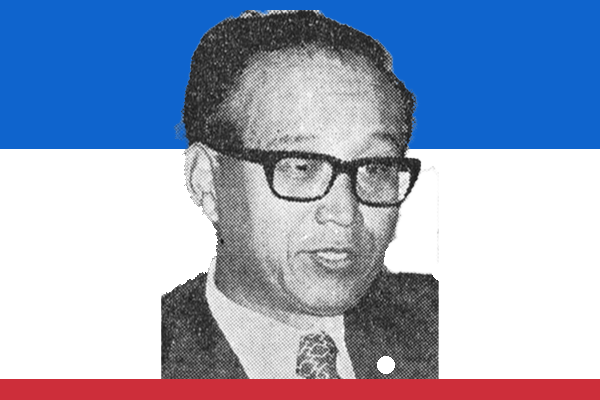
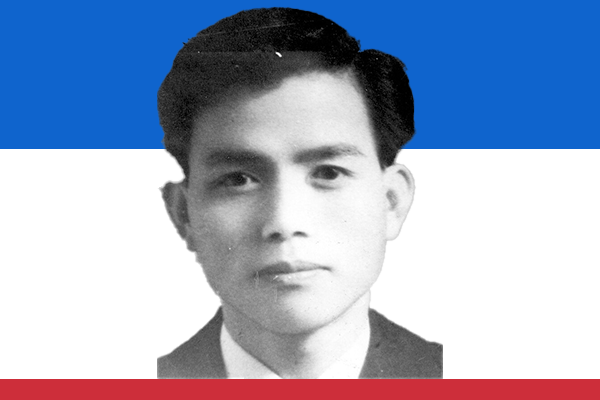
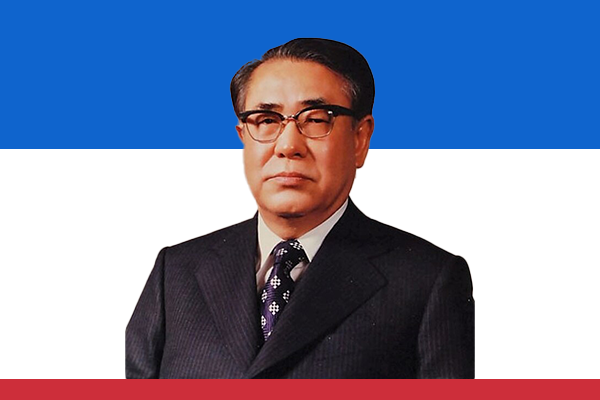
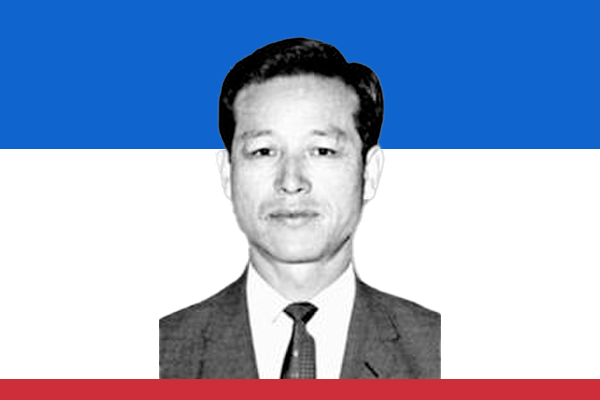
LIST OF PRIME MINISTERS OF SOUTH KOREA




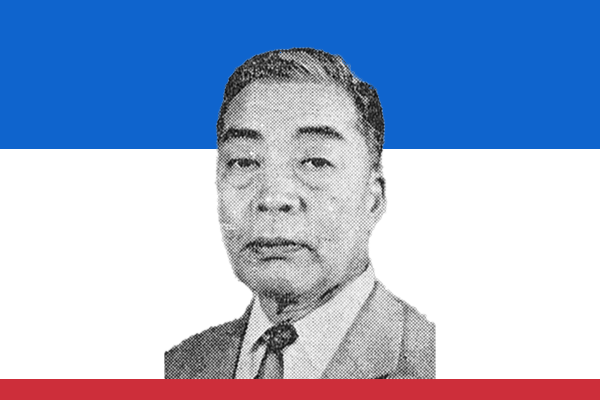

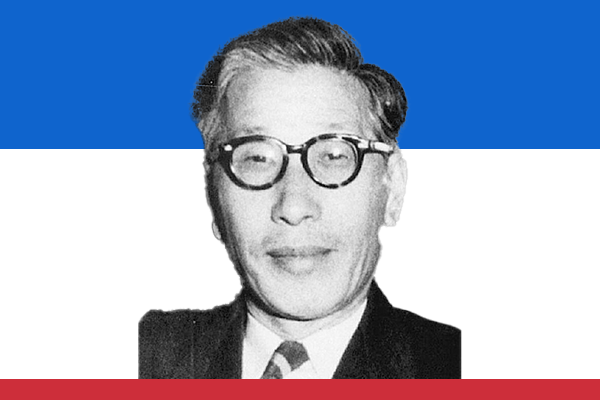
Role and Importance
In the Republic of Korea, the prime minister assists the president by coordinating the work of the cabinet, overseeing administrative affairs, and helping set government policy. They preside over Cabinet meetings when the president is absent and can serve as acting president if the president is incapacitated, removed, or otherwise unable to serve.
Recent Prime Ministers
prime ministers of South Korea, from the mid-2010s to the present:
1. Hwang Kyo-ahn (2015–2017)
Hwang served during President Park Geun-hye’s term. He later became acting president after Park’s impeachment and removal in 2017.
2. Lee Nak-yon (2017–2020)
A member of the Democratic Party, Lee led the cabinet under President Moon Jae-in. His tenure focused on economic issues, diplomacy, and domestic reforms.
3. Chung Sye-kyun (2020–2021)
Chung succeeded Lee Nak-yon and served through much of Moon Jae-in’s presidency, navigating public health challenges and administrative reforms.
4. Kim Boo-kyum (2021–2022)
Kim, also from the Democratic Party, served as prime minister until May 2022. He is known for his long legislative career and government experience.
5. Han Duck-soo (2022–2025)
Han Duck-soo, a seasoned technocrat, was prime minister from mid-2022. During political turmoil at the end of 2024 and early 2025, he briefly served as acting president amid impeachment proceedings, demonstrating the constitutional role of the prime minister in succession.
6. Kim Min-seok (2025–present)
In July 2025, Kim Min-seok was approved by the National Assembly and took office as prime minister under newly elected President Lee Jae-myung. Kim is a veteran lawmaker and member of the Democratic Party, and his premiership marks a new phase in South Korea’s governance aimed at economic reform and administrative stability.
Historical Context
The office of prime minister was established in 1948, shortly before South Korea’s government was formalized. Over the decades, the power and influence of the prime minister have varied with constitutional changes and political contexts. During the Second Republic (1960–61), the prime minister was the most powerful official under a parliamentary system, but after constitutional revisions restored a presidential system, the position became more administrative and supportive to the president.