PRESIDENTS OF SWITZERLAND
Presidents of Switzerland
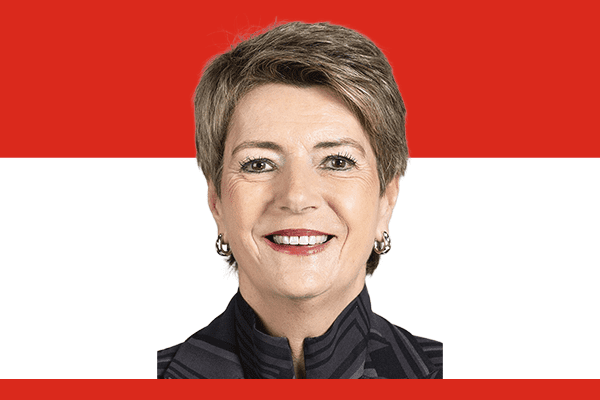
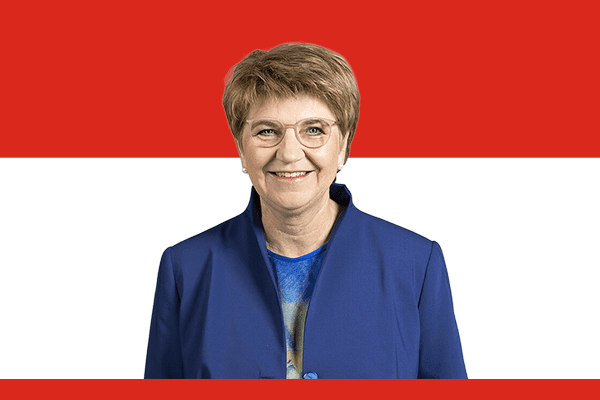
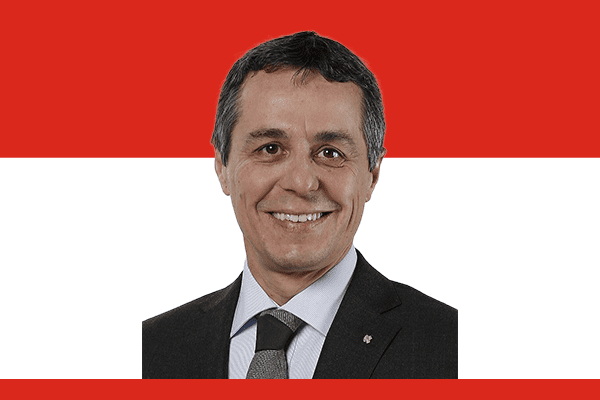
Switzerland is a unique country with a distinctive political system. Unlike many nations that have a single powerful president, Switzerland is governed by a seven-member Federal Council. Each year, one member of the council is elected as the President of the Swiss Confederation. The president mainly performs ceremonial duties and represents the country at official events, while decisions are made collectively by the Federal Council. This system reflects Switzerland’s strong tradition of democracy, neutrality, and shared leadership.
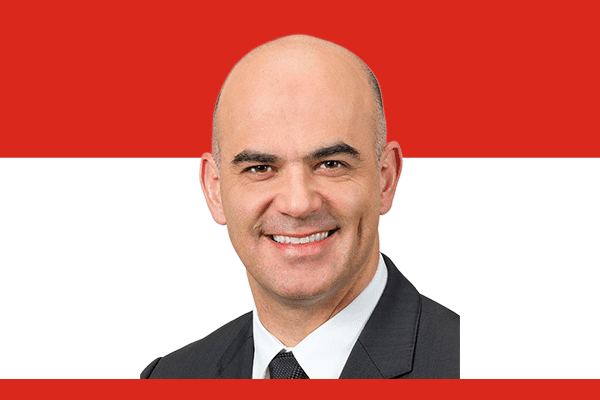
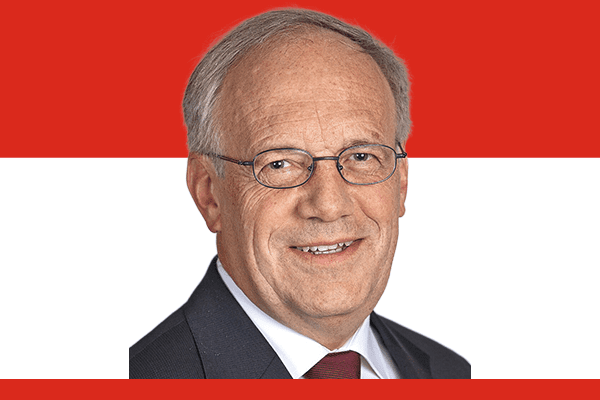
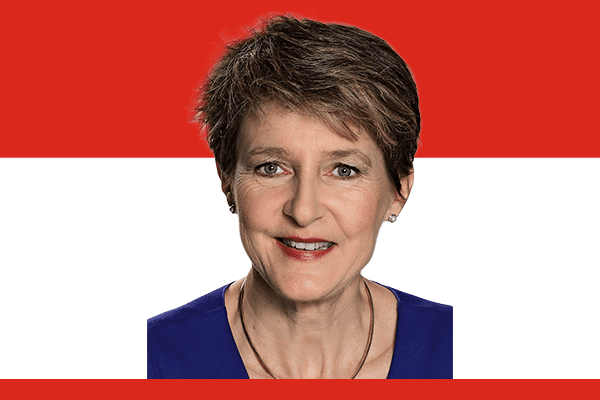
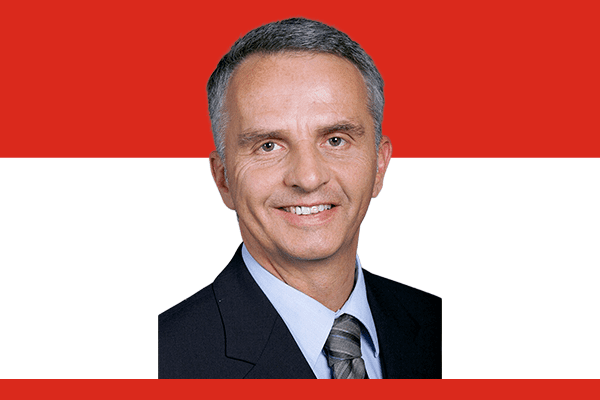
LIST OF PRESIDENTS OF SWITZERLAND
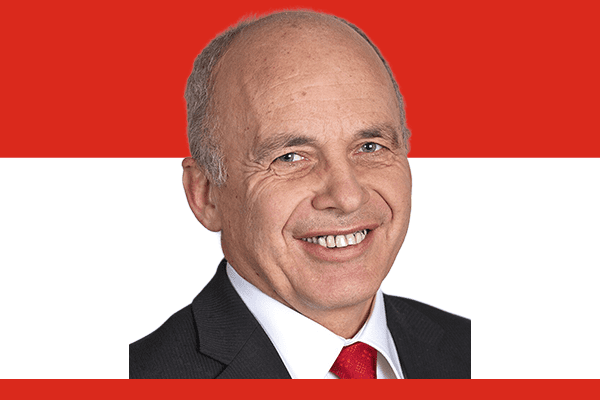
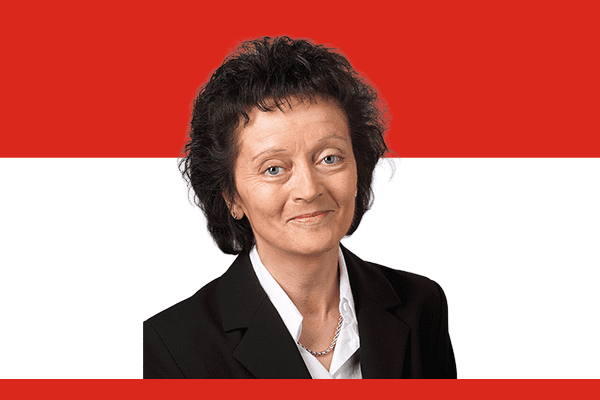
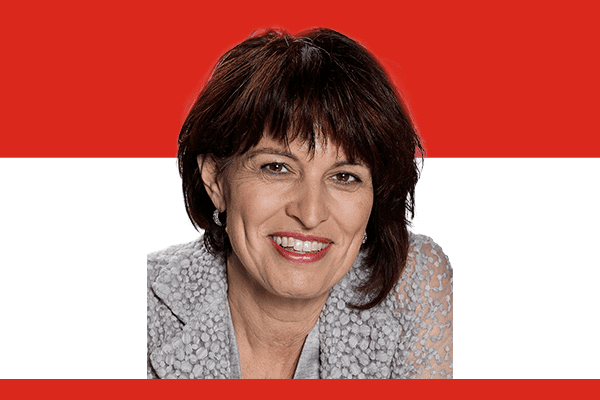
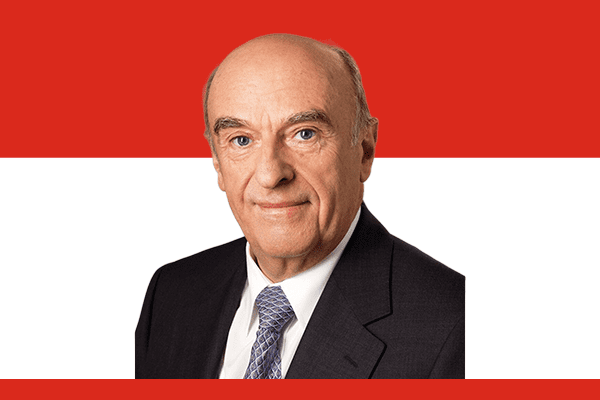
The Role of the President of Switzerland
The President of Switzerland serves for one year and cannot hold the office for consecutive years in most cases. The president chairs meetings of the Federal Council and acts as the “first among equals.” Although the position carries prestige, the president does not have the executive powers commonly seen in countries such as the United States or France.
Swiss presidents focus on maintaining political stability, representing Switzerland abroad, and promoting cooperation among the country’s different linguistic and cultural regions. The office symbolizes unity and democratic values rather than personal authority.
Early Presidents of Switzerland
The modern Swiss federal state was established in 1848 after the adoption of the Swiss Constitution. The first President of Switzerland was Jonas Furrer, who served in 1848. He helped shape the country’s federal political structure and strengthened national unity during an important period in Swiss history.
Another notable early leader was Jakob Dubs, who served multiple terms during the 19th century. He contributed to legal reforms and supported the development of Switzerland’s democratic institutions.
Modern Presidents of Switzerland
In recent decades, several presidents have gained international recognition for their diplomatic efforts and leadership. Ruth Dreifuss became the first female President of Switzerland in 1999. Her election marked an important step for gender equality in Swiss politics.
Micheline Calmy-Rey was known for her active foreign policy and international diplomacy. She promoted Switzerland’s role in peace negotiations and humanitarian work.
Alain Berset gained attention for his leadership during the COVID-19 pandemic. He emphasized public health measures and national cooperation during a challenging time.
The current leadership continues Switzerland’s tradition of collective governance, political neutrality, and economic stability.
Importance of Swiss Presidency
The Swiss presidency demonstrates a different approach to leadership compared to presidential systems around the world. Instead of concentrating power in one individual, Switzerland values consensus and cooperation. This model has helped the country maintain political stability, strong democratic institutions, and peaceful coexistence among its diverse population.
The presidents of Switzerland have played an important role in preserving the country’s reputation for neutrality, diplomacy, and democracy. Their leadership continues to reflect the Swiss commitment to equality, unity, and shared responsibility.