PRESIDENTS OF TURKEY
Presidents of Turkey
The President of Turkey serves as the head of state and, since the 2017 constitutional changes, also acts as the head of government with significant executive powers. From the founding of the Republic in 1923 to the present day, Turkey’s presidents have played crucial roles in shaping the nation’s political, social, and constitutional development.
LIST OF PRESIDENTS OF TURKEY





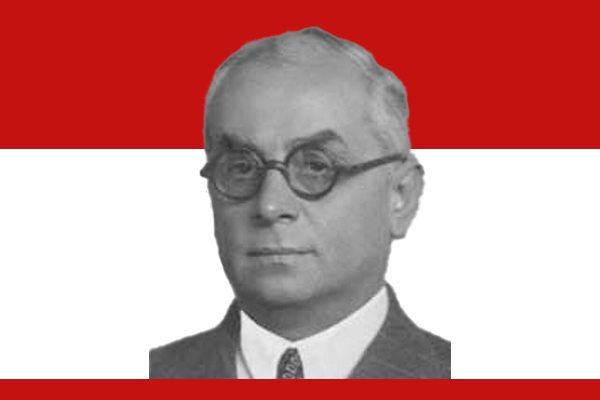


Mustafa Kemal Atatürk (1923–1938)
Mustafa Kemal Atatürk was the founder and first president of the Republic of Turkey. He led the Turkish War of Independence and abolished the Ottoman Sultanate, establishing a secular, modern nation-state. Atatürk introduced wide-ranging reforms in education, law, language, and governance, laying the foundation for modern Turkey.
İsmet İnönü (1938–1950)
İsmet İnönü succeeded Atatürk and guided Turkey through the difficult years of World War II, maintaining neutrality for most of the conflict. His presidency marked the transition from single-party rule to a multi-party political system, a major step toward democratic governance.
Celal Bayar (1950–1960)
Celal Bayar became president after Turkey’s first peaceful transfer of power through democratic elections. His tenure reflected the rise of civilian politics and economic liberalization. However, political tensions increased, leading to the 1960 military coup, which ended his presidency.
Cemal Gürsel (1961–1966)
Following the 1960 coup, Cemal Gürsel served as president during a period of constitutional restructuring. Under his leadership, Turkey adopted the 1961 Constitution, which expanded civil liberties and strengthened democratic institutions.
Cevdet Sunay (1966–1973)
Cevdet Sunay’s presidency coincided with political polarization and social unrest. A former military leader, he emphasized stability and the protection of secular principles during a time of ideological conflict.
Fahri Korutürk (1973–1980)
Fahri Korutürk served amid severe economic difficulties and political instability. His term ended as Turkey approached another period of military intervention due to increasing violence and governmental paralysis.
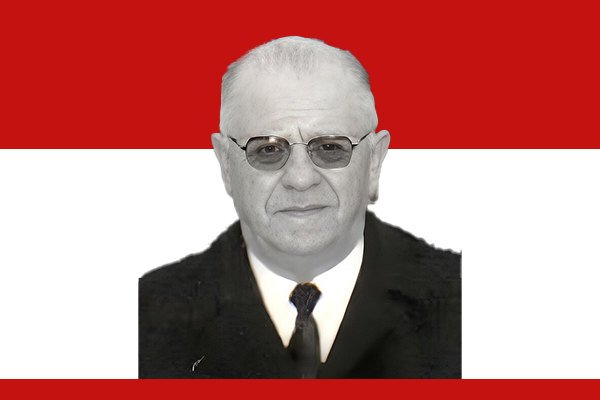
Kenan Evren (1982–1989)
Kenan Evren became president following the 1980 military coup. His presidency oversaw the implementation of the 1982 Constitution, which centralized authority and strengthened the presidency, leaving a lasting impact on Turkish politics.
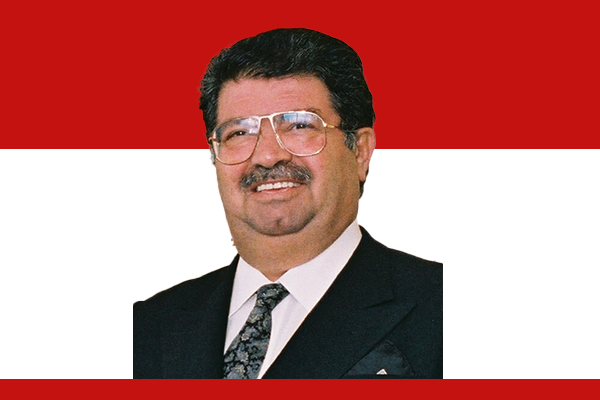
Turgut Özal (1989–1993)
Turgut Özal was a reform-oriented leader who promoted economic liberalization, privatization, and globalization. His presidency focused on strengthening Turkey’s international role and modernizing its economy.
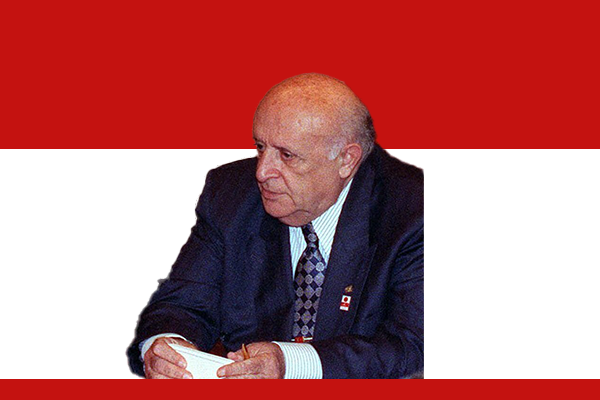
Süleyman Demirel (1993–2000)
Süleyman Demirel, a veteran politician, emphasized democratic stability and civilian governance. His presidency worked to balance political forces during coalition governments and military influence.
Ahmet Necdet Sezer (2000–2007)
A former constitutional court judge, Sezer was known for his firm defense of secularism and the rule of law. He often clashed with governments over constitutional principles.
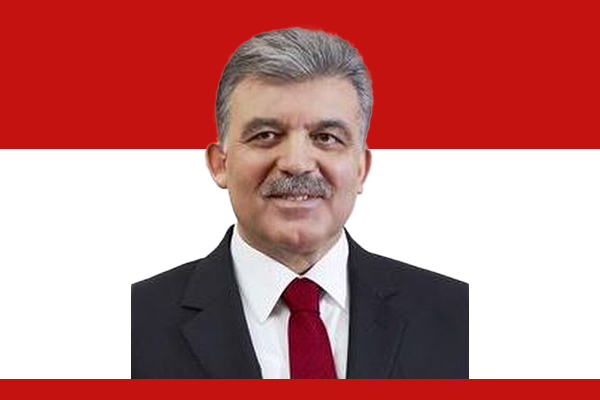
Abdullah Gül (2007–2014)
Abdullah Gül became Turkey’s first president elected by popular vote under revised rules. His term focused on diplomatic engagement, economic growth, and political reforms.
Recep Tayyip Erdoğan (2014–Present)
Recep Tayyip Erdoğan is the first president to govern under the presidential system. His leadership has significantly transformed Turkey’s political structure, centralizing executive power and redefining the role of the presidency.
Conclusion
The Presidents of Turkey reflect the country’s evolving political journey, from republic-building and military influence to democratic reforms and a strong executive presidency.