PRIME MINISTERS OF TURKEY
Prime Ministers of Turkey
The Prime Minister of Turkey was the head of government from the founding of the Republic in 1923 until the office was abolished in 2018. During this period, Turkey followed a parliamentary system in which prime ministers played a central role in shaping domestic and foreign policy. Many influential leaders served in this position, guiding the nation through modernization, military interventions, economic reforms, and democratic transitions.
LIST OF PRIME MINISTERS OF TURKEY


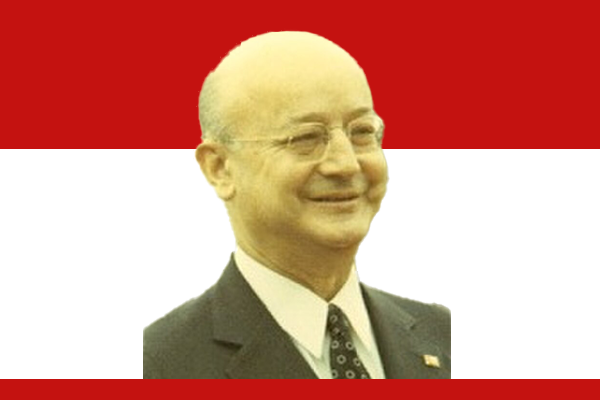
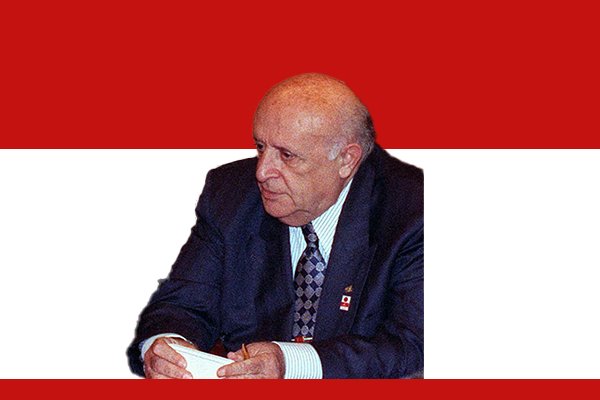
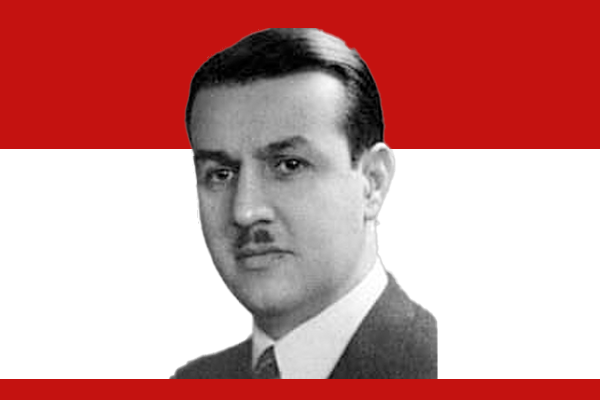

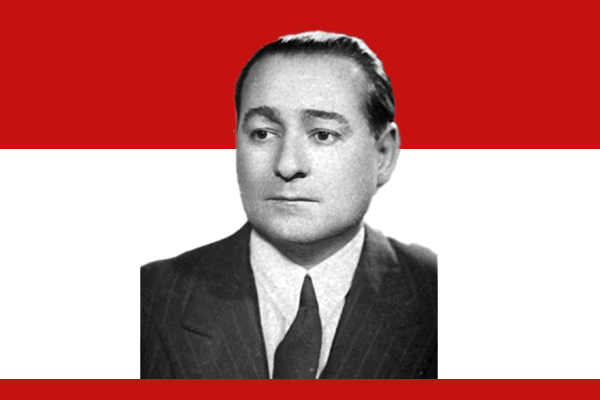
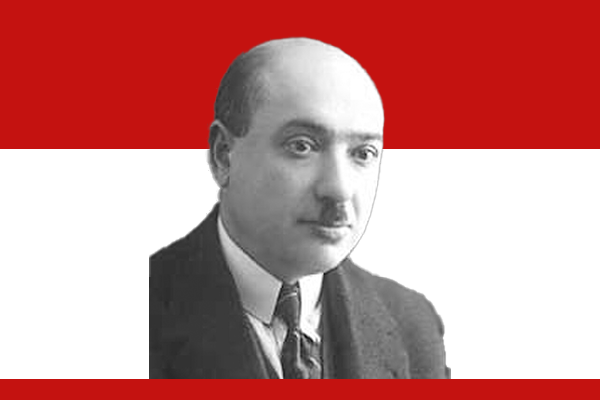
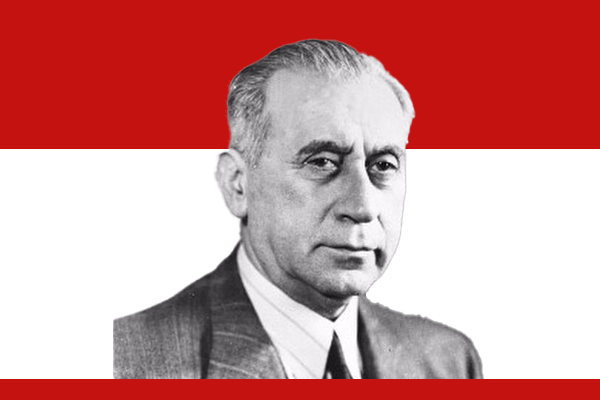
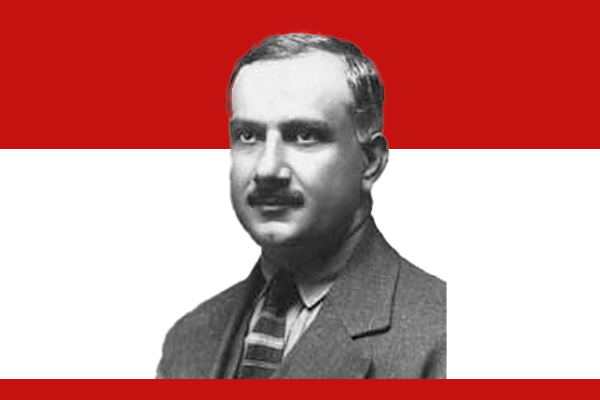
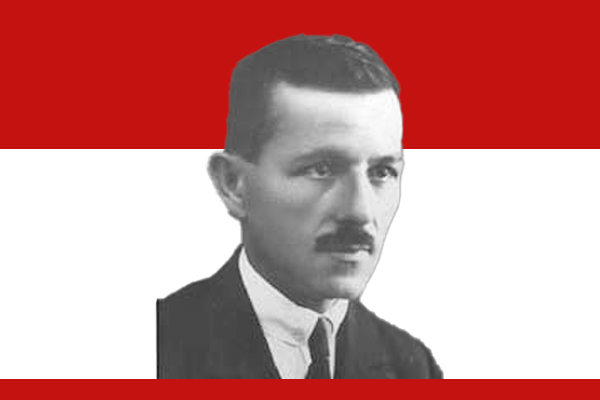

Early Republican Leadership
İsmet İnönü was the first prime minister of Turkey and a close associate of Mustafa Kemal Atatürk. He served multiple terms between 1923 and 1937 and played a crucial role in consolidating the new republic. İnönü focused on nation-building, secular reforms, and establishing strong state institutions. After Atatürk’s death, he later became Turkey’s second president.
Transition to Multi-Party Politics
The introduction of multi-party democracy in the late 1940s marked a major political shift. Adnan Menderes, prime minister from 1950 to 1960, led the Democrat Party and emphasized economic liberalization and rural development. His tenure ended after a military coup in 1960, highlighting the growing role of the armed forces in Turkish politics.
Military Influence and Political Instability
From the 1960s to the 1980s, Turkey experienced frequent political instability. Leaders such as Süleyman Demirel and Bülent Ecevit served multiple non-consecutive terms. Demirel, known for his pragmatic leadership, represented center-right politics, while Ecevit became a symbol of social democracy. Ecevit’s government oversaw the 1974 Cyprus intervention, a major event in Turkey’s foreign policy.
Reforms After the 1980 Coup
Following the 1980 military coup, Turgut Özal emerged as a transformative prime minister. Serving from 1983 to 1989, he introduced market-oriented economic reforms, encouraged privatization, and opened Turkey to global trade. Özal’s policies reshaped Turkey’s economy and reduced state control over industry.
Late 20th-Century Coalition Era
The 1990s were marked by coalition governments and economic challenges. Prime ministers such as Tansu Çiller, Turkey’s first female prime minister, and Necmettin Erbakan, an Islamist leader, reflected the country’s ideological diversity. This era also saw tensions between secular institutions and religious political movements.
Rise of the Justice and Development Party
In 2003, Recep Tayyip Erdoğan became prime minister, beginning a long and influential period in Turkish politics. His government focused on economic growth, infrastructure development, and constitutional changes. Under his leadership, the office of prime minister gained significant power until it was abolished in 2018 when Turkey shifted to a presidential system.
Conclusion
The prime ministers of Turkey played a decisive role in shaping the republic’s political, economic, and social development. Their leadership reflects Turkey’s complex journey from a newly founded state to a modern nation with a strong presidential system.