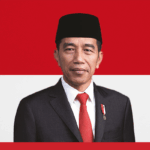
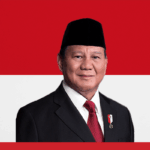
List of Presidents of Indonesia
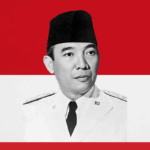
Sukarno (1945–1967) – Indonesia’s first president and a founding father, Sukarno played a pivotal role in the country’s independence from Dutch colonial rule. He championed nationalism, unity, and anti-colonialism, introducing the concept of Guided Democracy. His tenure ended during political turmoil, leading to his removal by the military-backed regime.
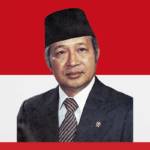
Suharto (1967–1998) – Suharto assumed power after Sukarno and led Indonesia for over three decades under the New Order regime. His leadership focused on political stability, economic growth, and anti-communism. While credited with modernizing Indonesia’s economy, his tenure was also marked by authoritarianism, human rights violations, and widespread corruption, culminating in his resignation during the 1998 reform movement.
B. J. Habibie (1998–1999) – Habibie, Suharto’s vice president, became president during Indonesia’s transition to democracy. He oversaw political liberalization, the first free parliamentary elections, and the referendum for East Timor’s independence.
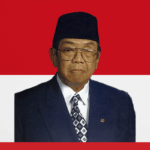
Abdurrahman Wahid (Gus Dur) (1999–2001) – A Muslim cleric and reformist, Wahid emphasized democratization, civil liberties, and religious tolerance. His presidency was cut short by political conflicts, resulting in impeachment by the People’s Consultative Assembly.
Megawati Sukarnoputri (2001–2004) – The daughter of Sukarno, Megawati focused on political stabilization, economic recovery, and strengthening democratic institutions. She was Indonesia’s first female president.
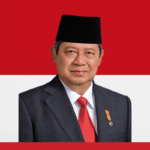
Susilo Bambang Yudhoyono (SBY) (2004–2014) – Elected through Indonesia’s first direct presidential election, SBY emphasized economic growth, anti-corruption measures, and foreign diplomacy, earning recognition for improving Indonesia’s global standing.
Joko Widodo (Jokowi) (2014–present) – Known for his populist approach and focus on infrastructure development, Jokowi has prioritized urban development, transportation, and economic reform. He has also championed social welfare programs and maintained Indonesia’s diplomatic engagement in Southeast Asia and globally.
The presidency of Indonesia reflects the country’s journey from revolutionary struggle to a modern democratic state. Each president has contributed to shaping governance, development, and international relations. From Sukarno’s anti-colonial leadership to Jokowi’s modern reformist agenda, the office remains central to Indonesia’s identity, stability, and progress as a diverse and populous nation.