PRESIDENTS OF NIGERIA
Introduction: Evolution of Nigerian Leadership
Since gaining independence in 1960, Nigeria has experienced dynamic leadership under several Presidents who guided the nation through various political, social, and economic challenges. These leaders played vital roles in defining the country’s identity, strengthening democracy, and promoting development across diverse sectors.
LIST OF PRESIDENTS OF NIGERIA

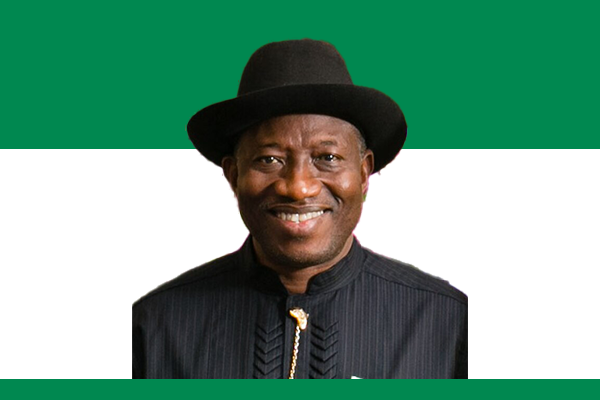

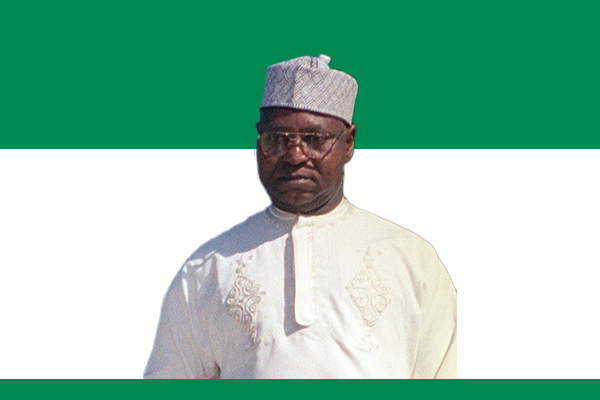

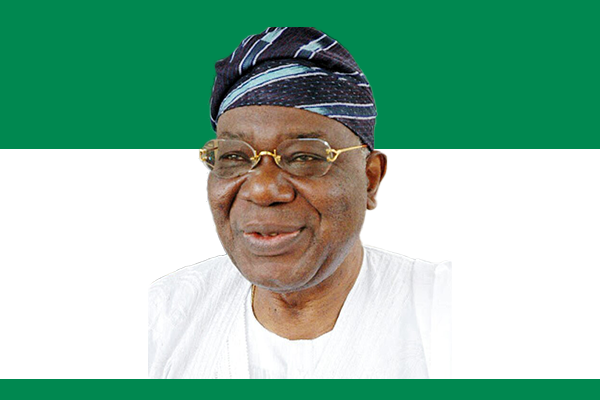
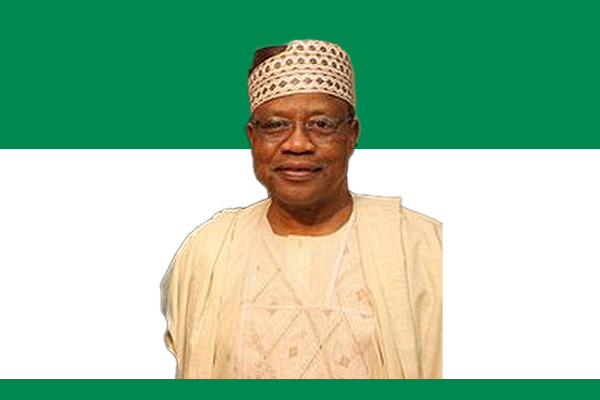
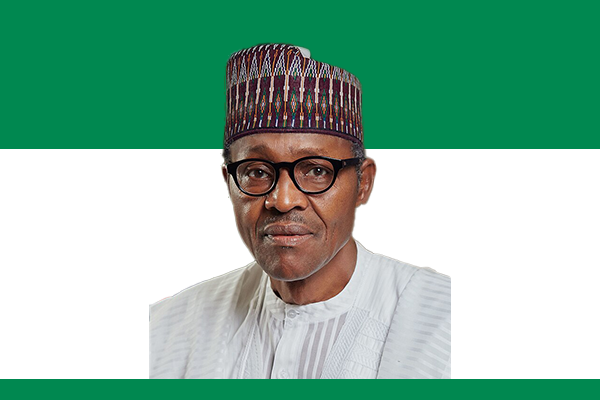

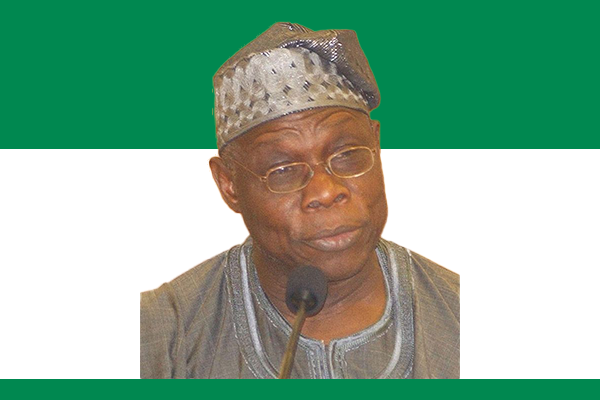
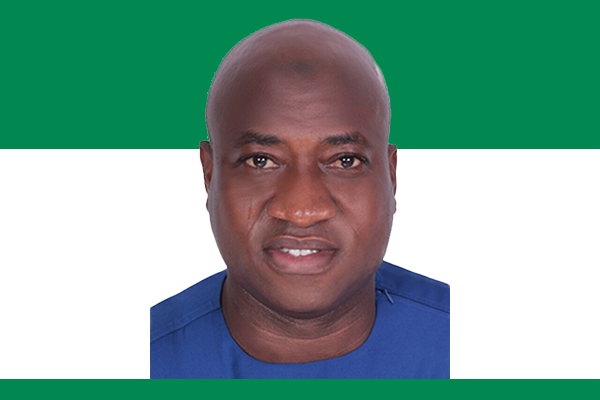

Early Presidents: Building a New Nation
Presidents of Nigeria first President, Dr. Nnamdi Azikiwe, assumed office in 1963 when the nation became a republic. He worked to unify Nigeria’s ethnic and regional divisions, laying the foundation for a democratic state. His leadership symbolized the optimism of a newly independent nation.
After a series of political tensions and military coups, Major General Johnson Aguiyi-Ironsi took power in 1966. He attempted to centralize authority and restore order, though his government faced opposition that led to another coup later that year.
Military Leadership and National Transformation
From 1966 to 1979, Nigeria saw a succession of military rulers, including General Yakubu Gowon, Murtala Mohammed, and Olusegun Obasanjo. Gowon focused on national reconstruction after the Nigerian Civil War (1967–1970), while Murtala Mohammed introduced bold administrative reforms before his assassination in 1976. Obasanjo succeeded him and led Nigeria toward democratic transition, handing power peacefully to a civilian government in 1979 — a rare event in Africa at the time.
Return to Democracy and Modern Governance
Shehu Shagari became Nigeria’s first elected civilian President under the Second Republic in 1979. His administration emphasized agriculture and industrial growth but faced challenges that led to another military takeover in 1983.
Generals Muhammadu Buhari, Ibrahim Babangida, and Sani Abacha then ruled during a turbulent era marked by economic reforms and political restrictions. Their regimes reshaped Nigeria’s governance structure and influenced the nation’s path toward democracy.
Democracy finally returned in 1999 when Olusegun Obasanjo became President again — this time through democratic elections. He implemented economic reforms, strengthened foreign relations, and promoted anti-corruption efforts. Successive leaders such as Umaru Musa Yar’Adua, Goodluck Jonathan, and Muhammadu Buhari each pursued policies addressing national unity, security, and development.
Contemporary Leadership and Ongoing Progress
Nigeria’s recent Presidents have focused on economic diversification, infrastructure growth, and strengthening democratic institutions. Their collective efforts reflect the nation’s determination to build a stable and prosperous future.
Conclusion: A Legacy of Resilience
The Presidents of Nigeria have each shaped the nation’s history through their leadership styles, decisions, and reforms. Despite challenges, their contributions reflect Nigeria’s resilience, evolving democracy, and unwavering pursuit of progress.