PRIME MINISTERS OF GERMANY
Prime Ministers of Germany: Leaders of a Modern Nation
Germany’s political leadership has evolved significantly over the years, shaped by its tumultuous history, from the German Empire to the Weimar Republic, Nazi Germany, and the modern Federal Republic. While Germany does not officially have a “Prime Minister” in the traditional sense, the closest equivalent is the Federal Chancellor, who serves as the head of government. The Chancellor leads the executive branch, sets national policy, and represents Germany internationally.
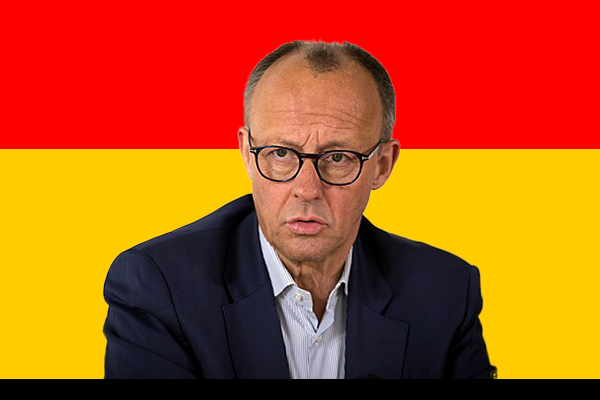
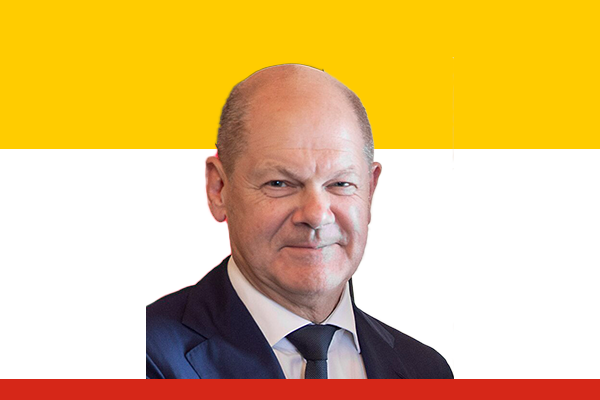
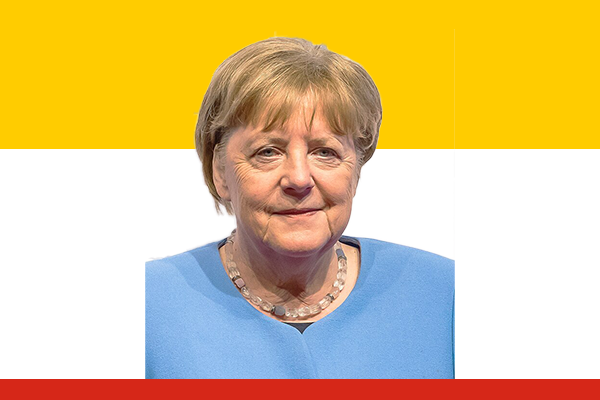
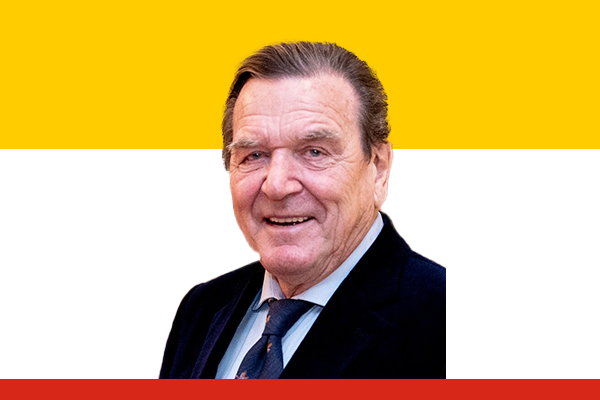
LIST OF PRIME MINISTERS OF GERMANY

The Role of the Chancellor
The Chancellor of Germany functions similarly to a prime minister in other parliamentary systems. Elected by the Bundestag (the German federal parliament), the Chancellor directs government policy and coordinates between ministries. This role has been crucial in shaping Germany’s economic, social, and foreign policies since the country’s reunification in 1990.
Early Leaders of Modern Germany
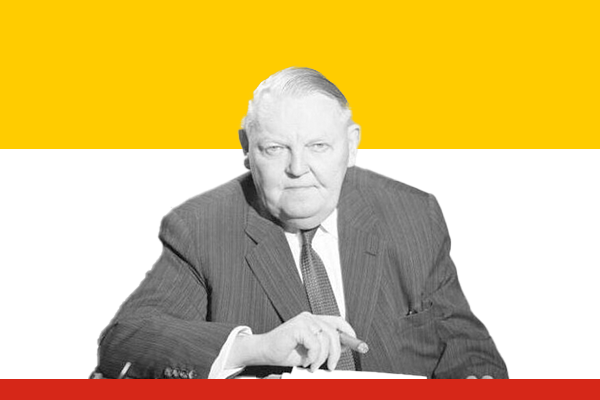
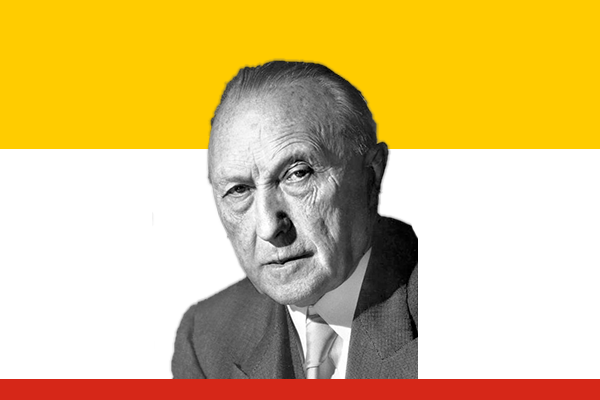
After the establishment of the Federal Republic of Germany in 1949, Konrad Adenauer became the first Chancellor. Serving from 1949 to 1963, Adenauer laid the foundations for West Germany’s post-war recovery, strengthened relations with Western Europe, and integrated Germany into NATO. His leadership emphasized stability, democracy, and economic growth, earning him a lasting place in German history.
Influential Chancellors in the Late 20th Century
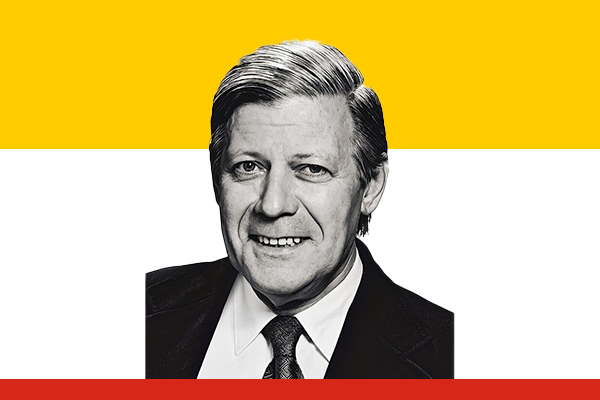
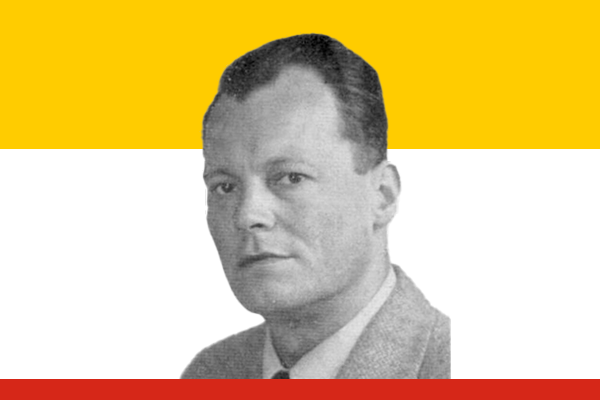
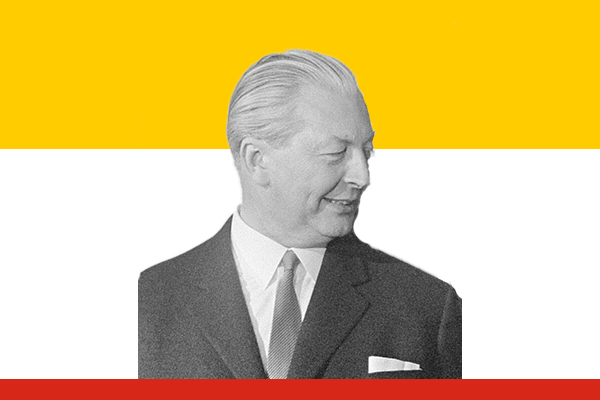
Willy Brandt, Chancellor from 1969 to 1974, introduced the policy of Ostpolitik, promoting reconciliation with Eastern Europe. Brandt’s efforts in easing Cold War tensions earned him the Nobel Peace Prize. Following him, leaders like Helmut Schmidt (1974–1982) and Helmut Kohl (1982–1998) played pivotal roles in managing economic challenges, strengthening the European Union, and overseeing German reunification. Kohl, in particular, is remembered as the “Chancellor of Unity” for his leadership during the reunification of East and West Germany in 1990.
Contemporary Leadership
In recent decades, Germany has seen leaders such as Gerhard Schröder (1998–2005), who implemented major economic and labor reforms, and Angela Merkel (2005–2021), who became Germany’s first female Chancellor. Merkel’s tenure was marked by steady economic management, leadership during the European financial crisis, and a strong role in international diplomacy. Her pragmatic and cautious style earned her global respect.
Conclusion
Germany’s chancellors, often referred to as prime ministers in informal contexts, have played a defining role in shaping the nation’s political, economic, and social landscape. From post-war recovery to reunification and modern European leadership, these leaders have navigated complex challenges to guide Germany through decades of change. Today, the office continues to be central to Germany’s democracy, demonstrating the enduring importance of strong and visionary leadership.