PRIME MINISTERS OF ETHIOPIA
Introduction
Ethiopia, one of Africa’s oldest nations, has a long political history marked by monarchies, revolutions, and democratic transitions. The role of the Prime Minister has been central to Ethiopia’s modern governance, serving as the head of government and the main executive authority. Since the establishment of the position in the 20th century, Ethiopia’s Prime Ministers have guided the country through periods of reform, conflict, and transformation.
LIST OF PRIME MINISTERS OF ETHIOPIA
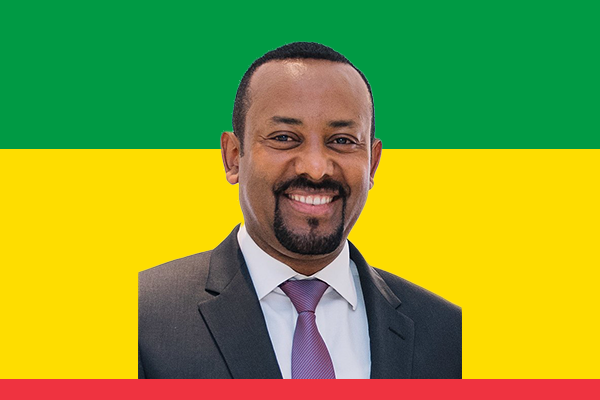
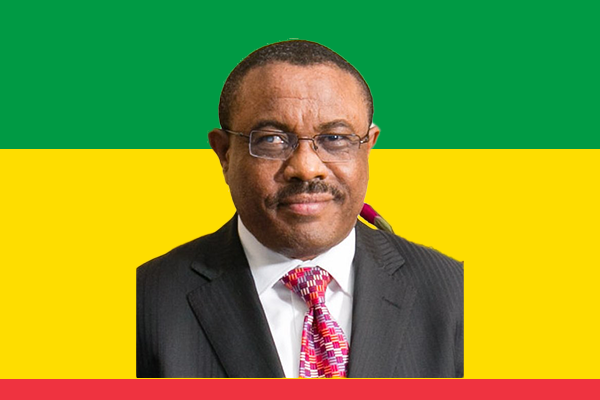
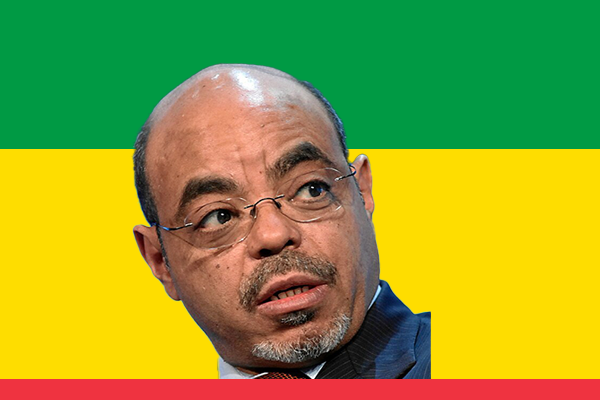
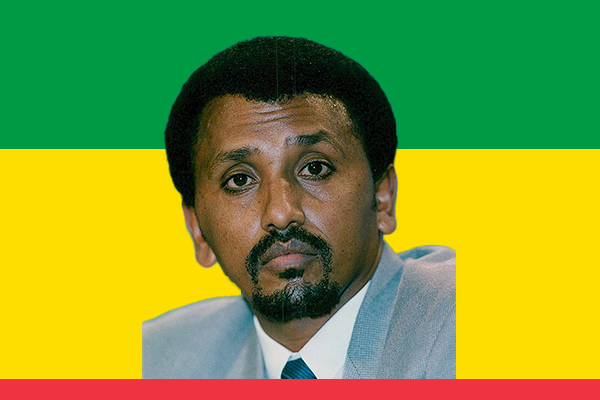


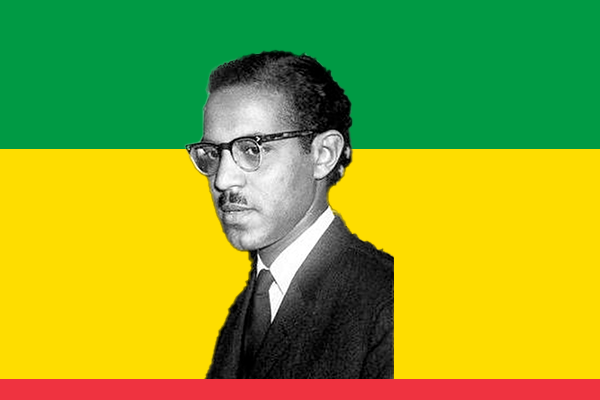
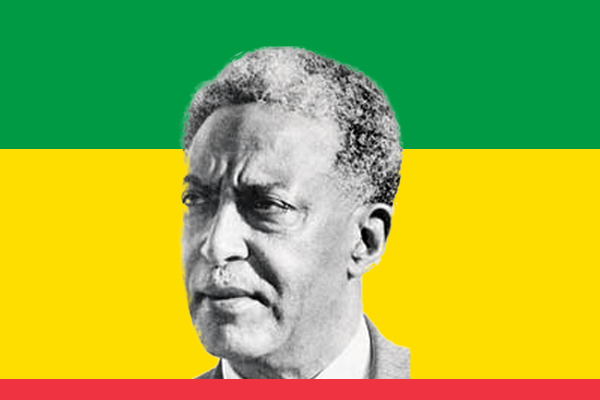
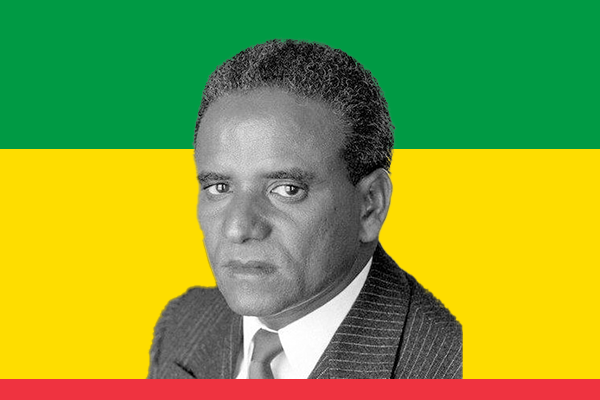
Prime Ministers of Ethiopia
Establishment of the Office
The office of the Prime Minister of Ethiopia was officially created in 1943 during the reign of Emperor Haile Selassie I. Initially, the position functioned under the imperial system, with the emperor holding supreme authority. Over time, as Ethiopia moved toward constitutional and political reforms, the Prime Minister’s role evolved to represent executive leadership in a parliamentary system.
Haile Selassie Era and Early Leaders
Emperor Haile Selassie appointed several early Prime Ministers, including Makonnen Endelkachew, Ethiopia’s first Prime Minister. Later, leaders like Aklilu Habte-Wold and Endalkachew Makonnen played important roles in modernizing the administration, foreign relations, and national infrastructure. However, political unrest and economic challenges eventually led to the fall of the imperial regime in 1974.
The Derg and Transitional Leadership
After the overthrow of Haile Selassie, Ethiopia was ruled by the Derg, a military junta led by Mengistu Haile Mariam. The office of the Prime Minister was suspended during this time, as power was centralized under military control. The end of the Derg regime in 1991 marked a major turning point, leading to the formation of a transitional government and the restoration of the Prime Minister’s office.
The Federal Democratic Republic Era
In 1995, the Federal Democratic Republic of Ethiopia was established under a new constitution. Meles Zenawi became the first Prime Minister under this system. He led Ethiopia for over two decades, focusing on economic development, federalism, and regional stability. After his death in 2012, Hailemariam Desalegn succeeded him, emphasizing reform and unity amid growing internal challenges.
Modern Leadership
In 2018, Abiy Ahmed became Prime Minister, ushering in a new era of reform and international recognition. His government initiated peace talks with neighboring Eritrea, earning him the Nobel Peace Prize in 2019. Abiy also launched political and economic liberalization efforts, though his tenure has faced challenges such as internal conflicts and regional tensions.
Conclusion
The Prime Ministers of Ethiopia have played crucial roles in shaping the nation’s modern identity. From imperial appointees to elected reformers, each leader has influenced Ethiopia’s path toward stability, unity, and development. Today, the office continues to represent the aspirations of a diverse and resilient nation striving for peace and progress.