KINGS OF MALAYSIA
Kings of Malaysia (Yang di-Pertuan Agong)
Malaysia has a unique constitutional monarchy unlike any other in the world. Instead of a single hereditary king, Malaysia elects its monarch from among the rulers of nine Malay states. The king is known as the Yang di-Pertuan Agong, meaning “He Who Is Made Lord.” Each king serves a five-year term, and the position rotates among the royal houses.
LIST OT KINGS OF MALAYSIA
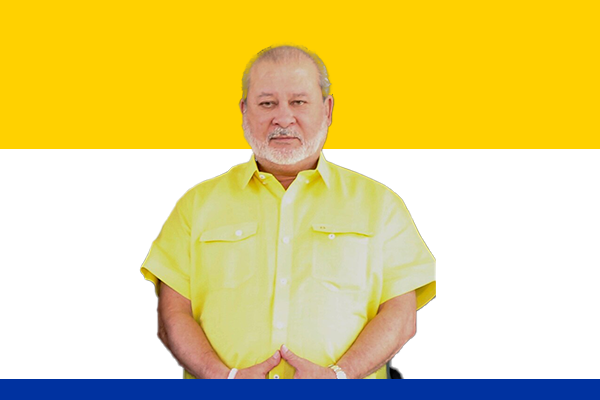
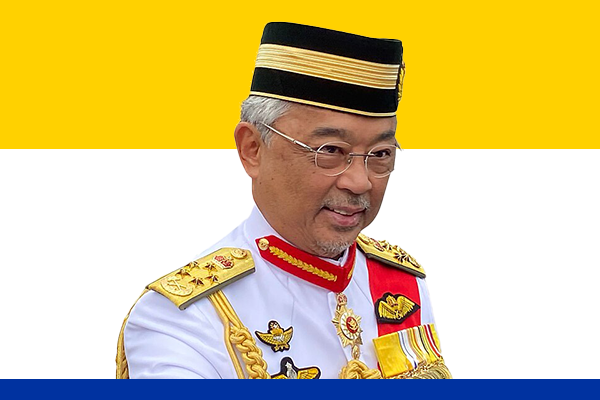

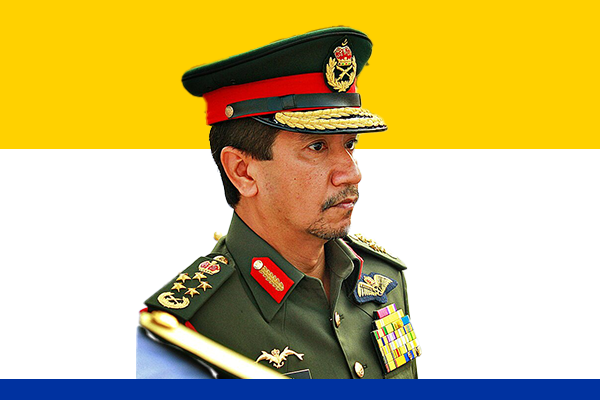
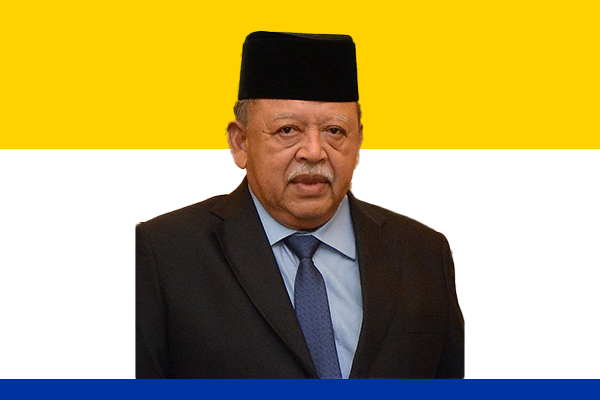

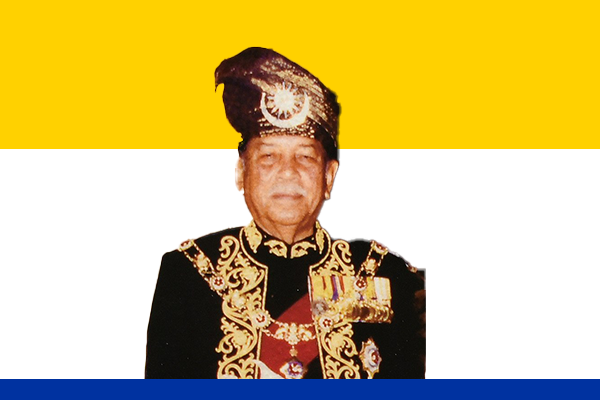

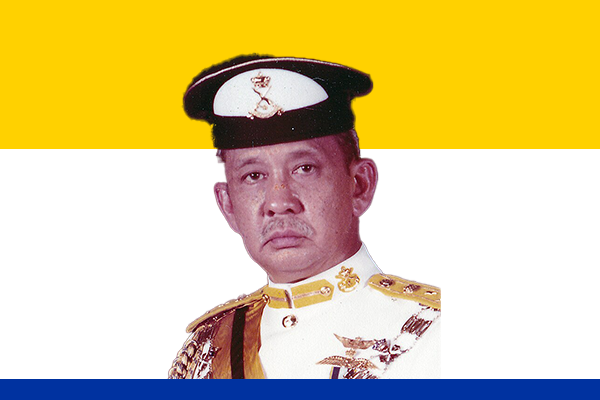

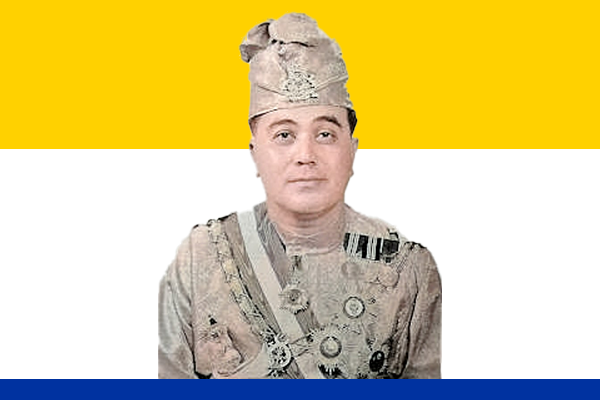
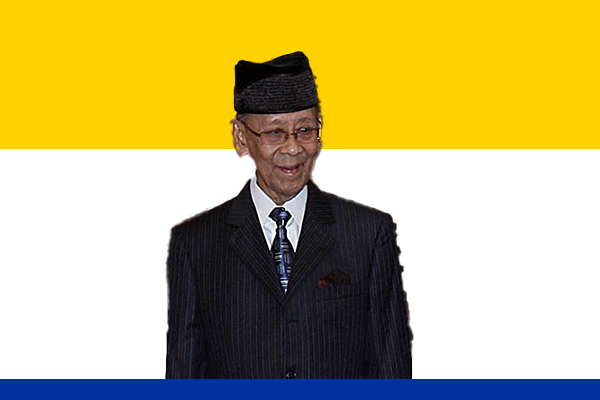
Establishment of the Monarchy
The system of elected kingship was established in 1957, when Malaya gained independence from British rule. Later, in 1963, the formation of Malaysia retained this structure. The Conference of Rulers elects the king, ensuring balance and unity among the Malay states.
Tuanku Abdul Rahman (1957–1960)
Tuanku Abdul Rahman of Negeri Sembilan became the first King of Malaysia. His reign symbolized national unity during the early years of independence. He played an important ceremonial role in establishing Malaysia’s constitutional framework.
Tuanku Hisamuddin Alam Shah (1960)
The Sultan of Selangor briefly served as king in 1960 but passed away during his reign. His short tenure marked the first interruption in Malaysia’s royal rotation system.
Tuanku Syed Putra (1960–1965)
As the Raja of Perlis, Tuanku Syed Putra served during a period of political consolidation. His reign coincided with the formation of Malaysia in 1963, making his term historically significant.
Tuanku Ismail Nasiruddin Shah (1965–1970)
The Sultan of Terengganu ruled during a challenging era, including political tensions and regional instability. His leadership emphasized constitutional stability.
Tuanku Abdul Halim Mu’adzam Shah (1970–1975; 2011–2016)
Tuanku Abdul Halim of Kedah is the only Malaysian king to reign twice. His calm and dignified leadership made him one of the most respected monarchs in Malaysian history.
Tuanku Ahmad Shah (1979–1984)
The Sultan of Pahang served as king during years of economic development. He was known for promoting harmony among Malaysia’s diverse population.
Sultan Azlan Shah (1989–1994)
Formerly Malaysia’s Lord President (Chief Justice), Sultan Azlan Shah of Perak brought strong legal insight to the monarchy. He emphasized constitutional principles and the rule of law.
Tuanku Syed Sirajuddin (2001–2006)
The Raja of Perlis focused on national unity and cultural preservation. His reign strengthened ties between the monarchy and the people.
Sultan Muhammad V (2016–2019)
The Sultan of Kelantan made history by becoming the first Malaysian king to abdicate. His resignation marked a rare and significant moment in the monarchy.
Sultan Abdullah Ri’ayatuddin Al-Mustafa Billah Shah (2019–2024)
The Sultan of Pahang served during critical times, including the COVID-19 pandemic. His reign highlighted the king’s role as a stabilizing force during national crises.
Conclusion
The Kings of Malaysia represent a distinctive blend of tradition and democracy. Through rotation and constitutional authority, the monarchy continues to symbolize unity, continuity, and cultural heritage in modern Malaysia.