PRESIDENTS OF POLAND
Presidents of Poland
The office of the President of Poland represents the head of state and symbolizes the unity and continuity of the nation. Over the years, the presidency has evolved through different political systems, including the interwar republic, communist era, and modern democratic state. Presidents of Poland have played key roles in shaping national identity, safeguarding the constitution, and guiding the country through political transitions, especially after the fall of communism in 1989.
LIST OF PRESIDENTS OF POLAND
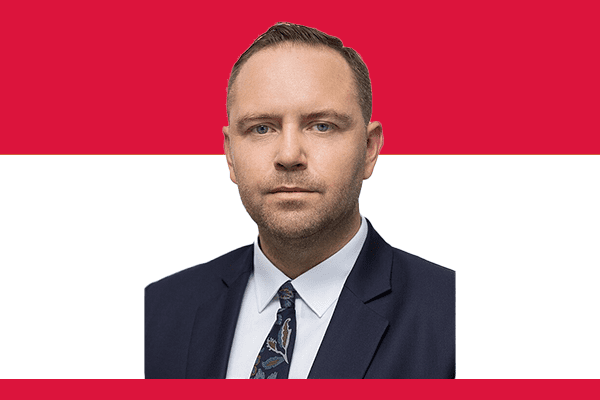
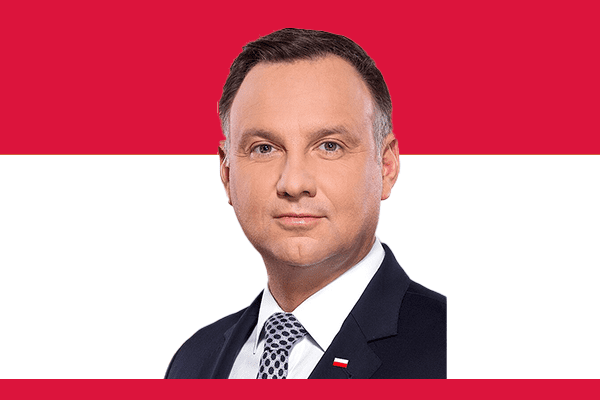
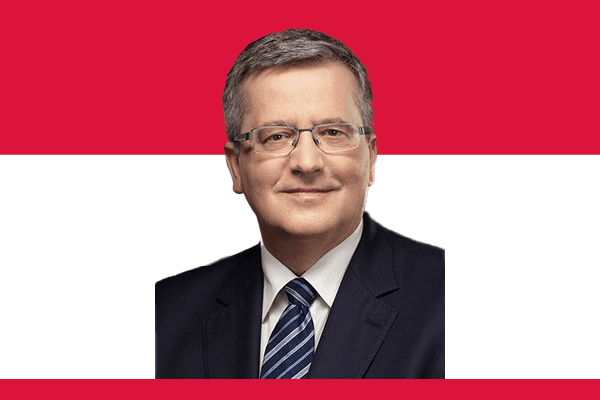
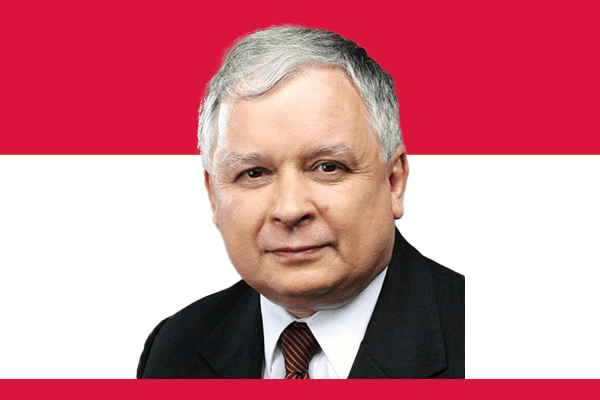
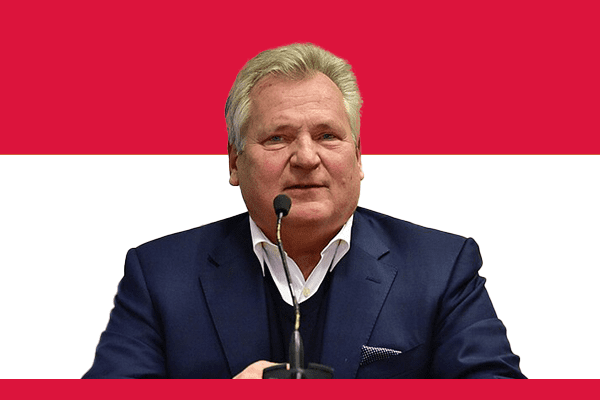
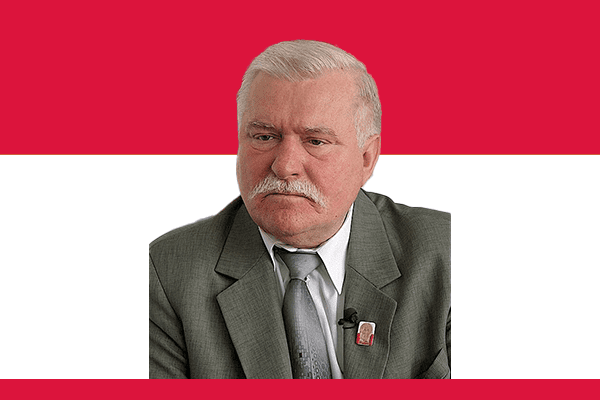
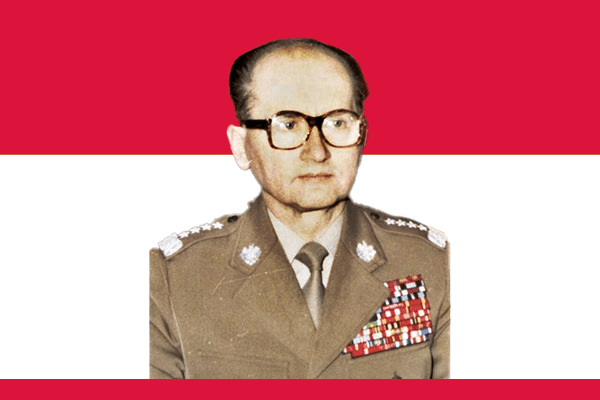
List and Overview of Presidents
The first President of modern Poland was Gabriel Narutowicz, elected in 1922 after Poland regained independence. His presidency was short-lived, as he was assassinated just days after taking office. He was succeeded by Stanisław Wojciechowski, who served during a politically unstable period until the May Coup led by Józef Piłsudski.
After the coup, Ignacy Mościcki became president and remained in office until the outbreak of World War II. During the war, the Polish government operated in exile, with leaders such as Władysław Raczkiewicz maintaining continuity of statehood abroad.
Following the war, Poland fell under communist influence, and the presidency was abolished in favor of a collective leadership system. It was only restored in 1989 during the democratic transition. Wojciech Jaruzelski became the first president in this new era, overseeing the shift from communism to democracy.
He was followed by Lech Wałęsa, a former leader of the Solidarity movement, who played a crucial role in ending communist rule. Subsequent presidents include Aleksander Kwaśniewski, who strengthened Poland’s ties with Western institutions, and Lech Kaczyński, who died in the 2010 Smolensk air disaster.
After his death, Bronisław Komorowski served as president, focusing on stability and international cooperation. Since 2015, Andrzej Duda has held the office, emphasizing national sovereignty and judicial reforms.
Conclusion
The presidents of Poland have guided the nation through periods of independence, conflict, and transformation. From early struggles for stability to modern democratic governance, each leader has contributed to shaping Poland’s political landscape. Today, the presidency remains a vital institution, reflecting the country’s commitment to democracy and national unity.