PRIME MINISTERS OF BELARUS
Prime Ministers of Belarus
Belarus is an Eastern European country that gained independence after the collapse of the Soviet Union in 1991. Since independence, the office of Prime Minister has played an important role in managing the government, economy, and administration of the country. The Prime Minister serves as the head of government and works closely with the President of Belarus. Although the President holds significant political power, the Prime Minister oversees the daily operations of the government and supervises ministries and state policies.
LIST OF PRIME MINISTERS OF BELARUS
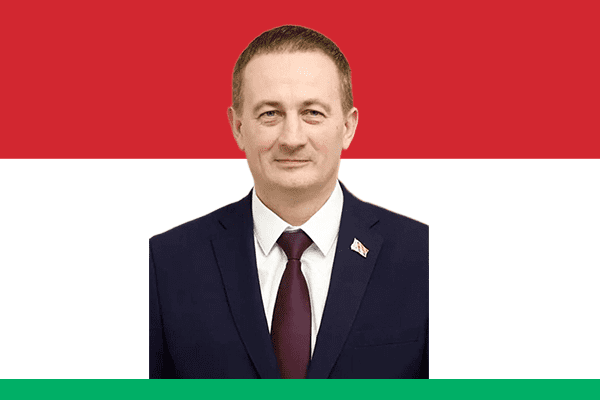

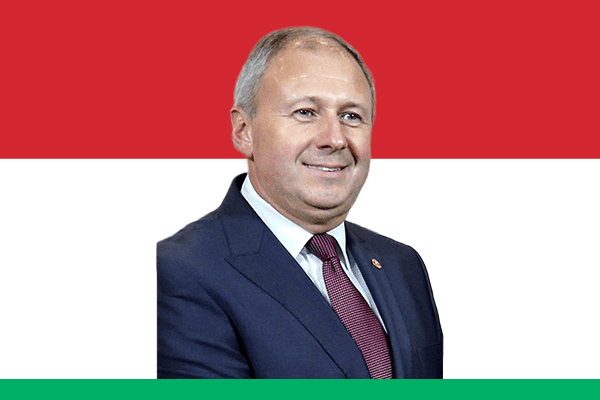
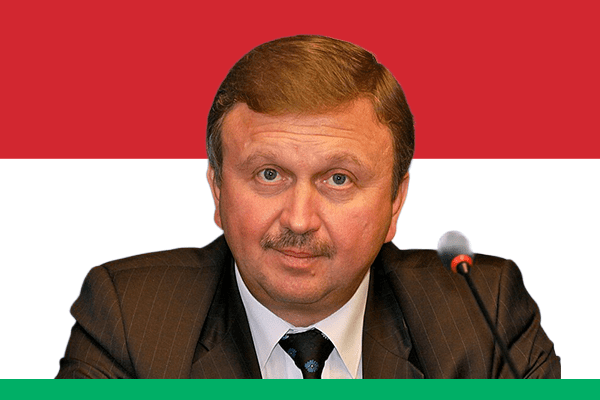
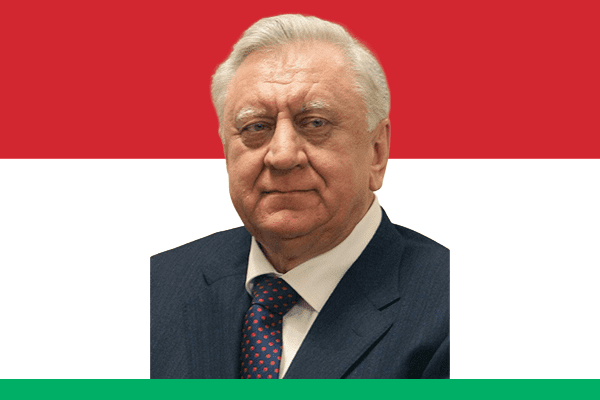
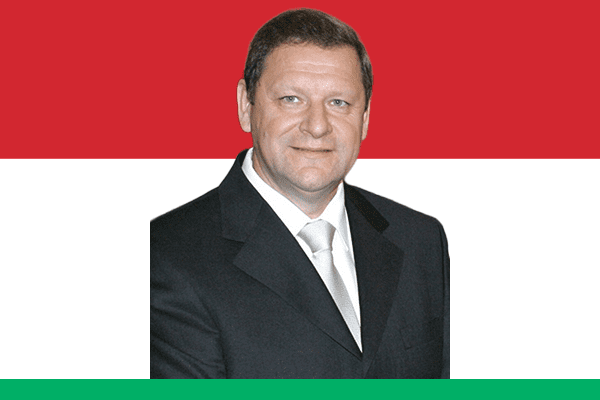




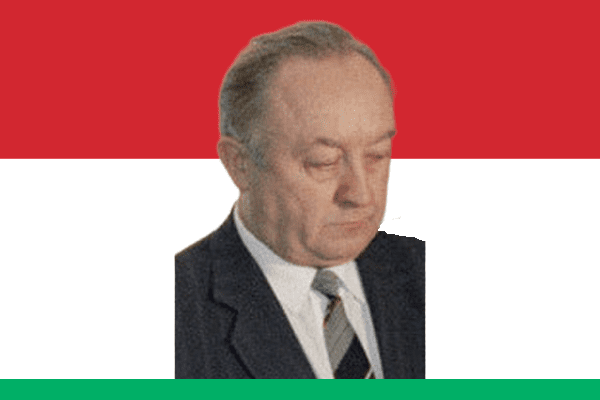
Early Prime Ministers of Belarus
After independence, the first Prime Minister of Belarus was Vyacheslav Kebich, who served from 1990 to 1994. He played a major role during the transition from Soviet rule to an independent Belarusian state. Kebich supported closer economic relations with Russia and worked to stabilize the economy during difficult post-Soviet years.
He was followed by Mikhail Chigir in 1994. Chigir introduced financial reforms and attempted to strengthen the national economy. His period in office came during the early presidency of Alexander Lukashenko, who later became the dominant political figure in Belarus.
Prime Ministers During Lukashenko’s Era
Several Prime Ministers served under President Lukashenko. Sergey Ling held office from 1996 to 2000 and focused on state-controlled economic policies. He was succeeded by Vladimir Yermoshin, who managed government affairs during a period of closer cooperation with Russia.
From 2001 to 2003, Gennady Novitsky served as Prime Minister. Later, Sergey Sidorsky became one of the longest-serving Prime Ministers, remaining in office from 2003 to 2010. He focused on economic growth, industrial production, and energy relations with Russia.
Recent Prime Ministers
In recent years, Belarus has continued appointing Prime Ministers to manage economic and administrative matters. Mikhail Myasnikovich served from 2010 to 2014, followed by Andrei Kobyakov from 2014 to 2018.
After him, Sergey Rumas promoted limited economic modernization and investment policies. In 2020, Roman Golovchenko became Prime Minister and handled economic challenges, international sanctions, and trade relations.
Conclusion
The Prime Ministers of Belarus have played a significant role in shaping the country’s administration and economy since independence. While the President remains the most powerful political figure, Prime Ministers continue to manage government operations and national policies. From Vyacheslav Kebich to Roman Golovchenko, each leader contributed to Belarus’s political and economic history in different ways.