PRESIDENTS OF MOLDOVA
Presidents of Moldova
The Presidents of Moldova have played a significant role in shaping the country’s political, economic, and diplomatic development since it gained independence from the Soviet Union in 1991. As the head of state, the President represents Moldova internationally, safeguards the Constitution, and works alongside the government to maintain national stability. Over the years, Moldova has experienced political transitions, constitutional reforms, and changing foreign policy priorities under different presidents. Each leader has contributed to the country’s democratic journey in unique ways.
LIST OF PRESIDENTS OF MOLDOVA
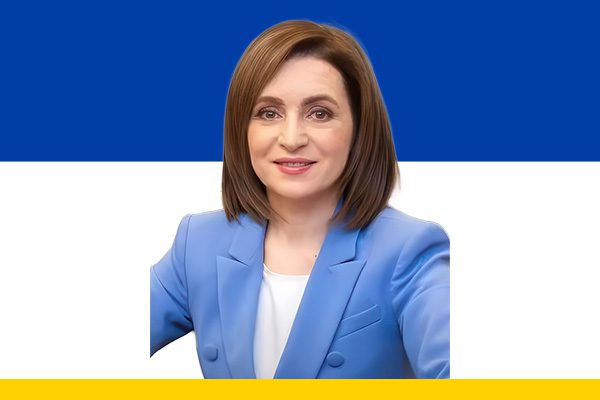
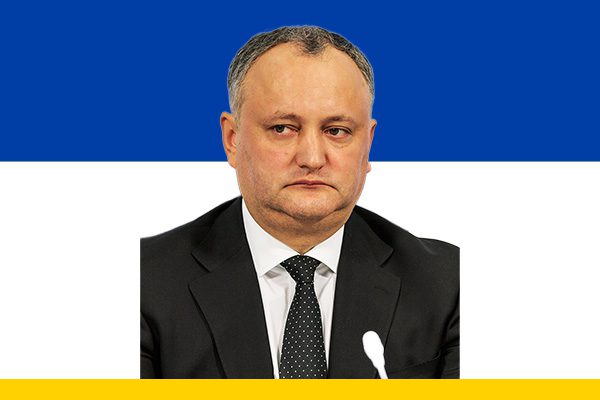
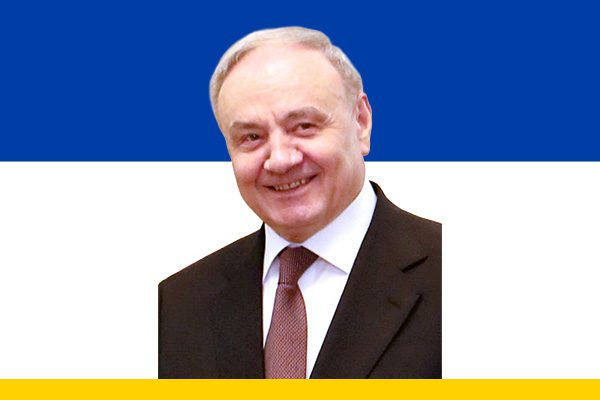
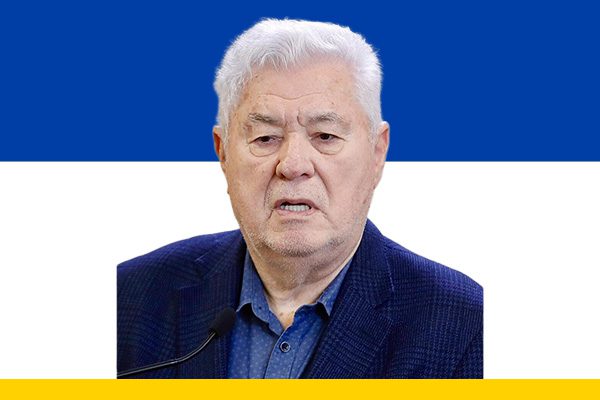
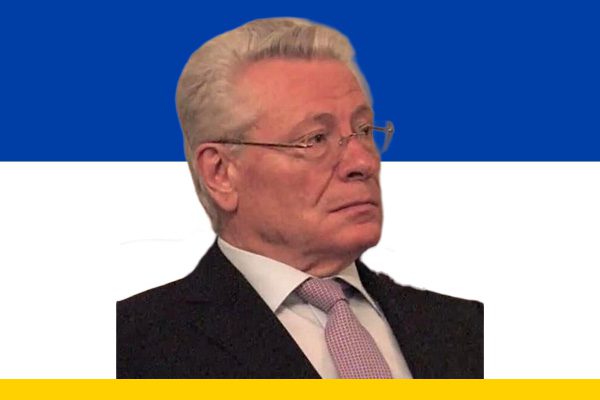
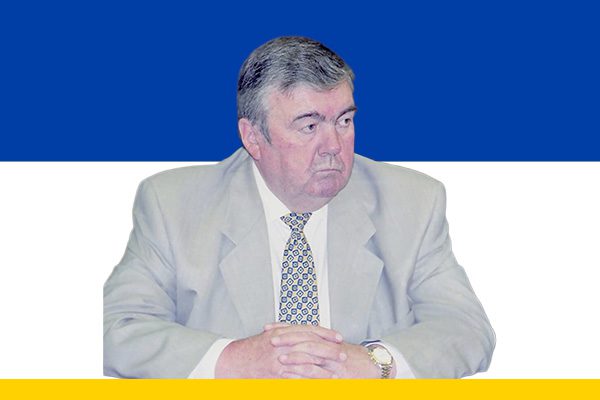
The First President: Mircea Snegur
Mircea Snegur served as the first President of Moldova from 1990 to 1997. He led the country during its transition from Soviet rule to independence. Under his leadership, Moldova declared independence on August 27, 1991. Snegur focused on establishing democratic institutions, creating a national identity, and strengthening the country’s sovereignty. His presidency was marked by the conflict in the Transnistria region, which remains unresolved today.
Democratic Development and Political Challenges
After Snegur, Petru Lucinschi served from 1997 to 2001. He promoted constitutional reforms and encouraged economic modernization. However, political disagreements limited the success of several reforms.
Vladimir Voronin became President in 2001 and served until 2009. As the leader of the Communist Party, he emphasized economic growth, social welfare, and balanced relations with both Russia and the European Union. His presidency witnessed periods of economic improvement but also faced criticism over governance and public protests.
Political Instability and Interim Leadership
Following Voronin’s presidency, Moldova experienced several years of political uncertainty. During this period, acting presidents such as Mihai Ghimpu and Marian Lupu temporarily carried out presidential responsibilities while political parties worked to elect a permanent head of state.
In 2012, Nicolae Timofti became President after a prolonged political deadlock. He supported judicial reforms, democratic institutions, and closer cooperation with European partners.
Modern Leadership
Igor Dodon served from 2016 to 2020. He advocated stronger ties with Russia while maintaining diplomatic relations with the European Union. His presidency reflected Moldova’s ongoing debate over its foreign policy direction.
Since 2020, Maia Sandu has served as President. She is recognized for promoting anti-corruption reforms, judicial independence, transparency, and stronger integration with Europe. Her administration has focused on improving governance, strengthening democratic institutions, and enhancing Moldova’s international partnerships.
Responsibilities of the President
The President of Moldova serves as the head of state and performs several constitutional duties. These include representing the country in international affairs, appointing officials according to the Constitution, signing laws, serving as the commander-in-chief of the armed forces, and promoting national unity. Although executive power primarily rests with the government and Prime Minister, the President remains an important symbol of national leadership and constitutional order.
Conclusion
The Presidents of Moldova have guided the nation through independence, political reforms, economic challenges, and international developments. From Mircea Snegur to Maia Sandu, each leader has influenced Moldova’s path toward democracy and national development. Their leadership reflects the country’s continuing efforts to strengthen democratic governance, ensure political stability, and build a prosperous future for its citizens.