PRIME MINISTERS OF CROATIA
Prime Ministers of Croatia
The office of the Prime Minister is the highest executive position in the government of Croatia. Since Croatia declared independence from Yugoslavia in 1991, its Prime Ministers have played a crucial role in building democratic institutions, strengthening the economy, and guiding the nation toward European integration. The Prime Minister leads the government, proposes policies, oversees ministries, and represents Croatia in international affairs.
LIST OF PRIME MINISTERS OF CROATIA
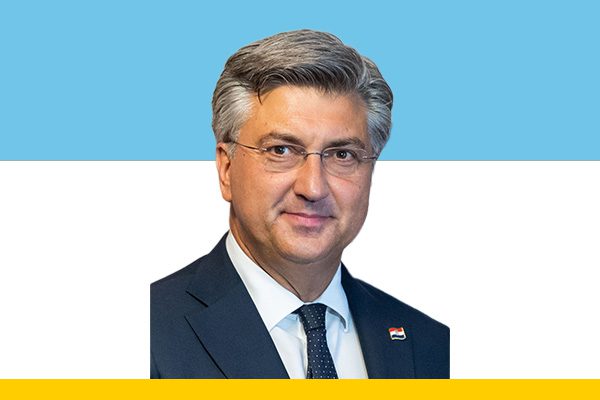
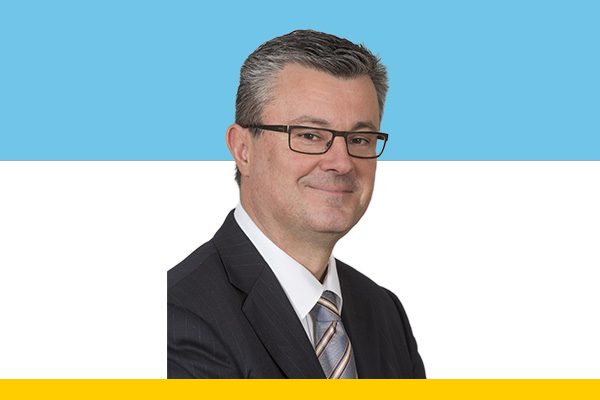
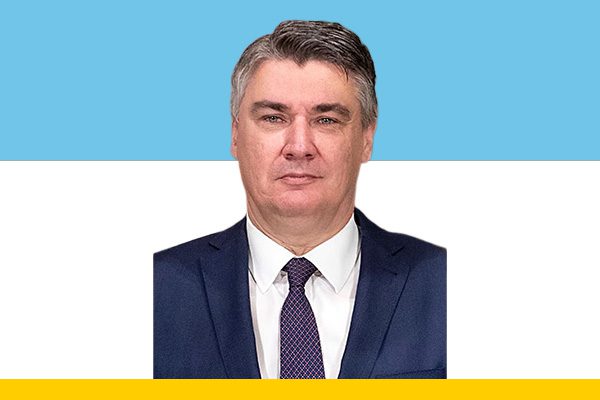
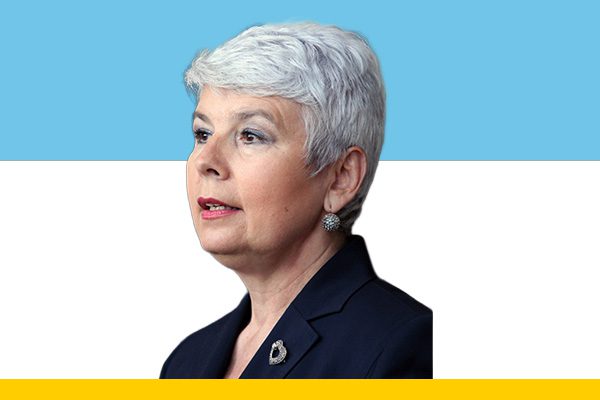
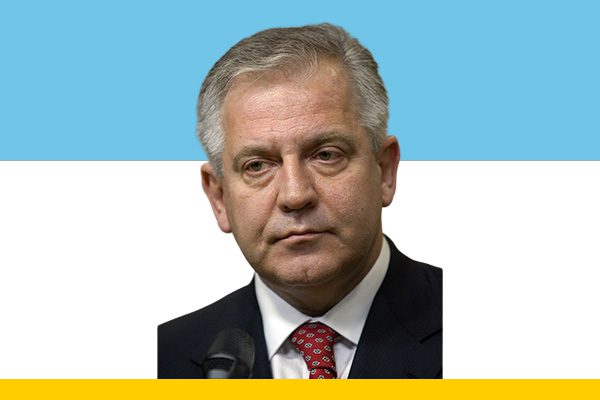
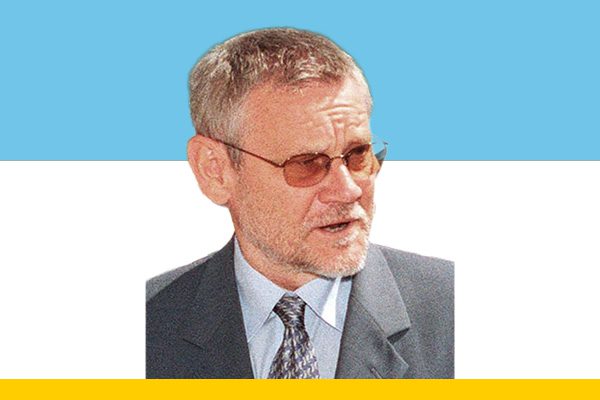
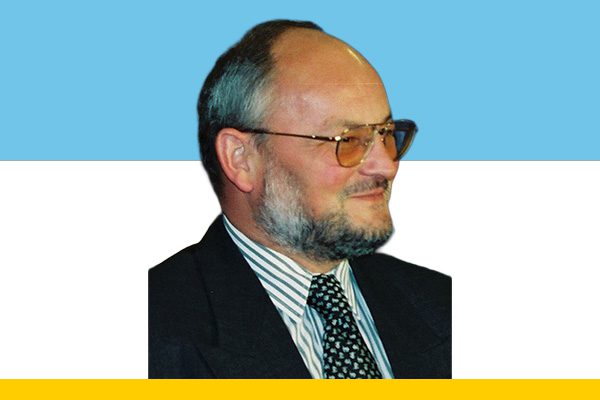
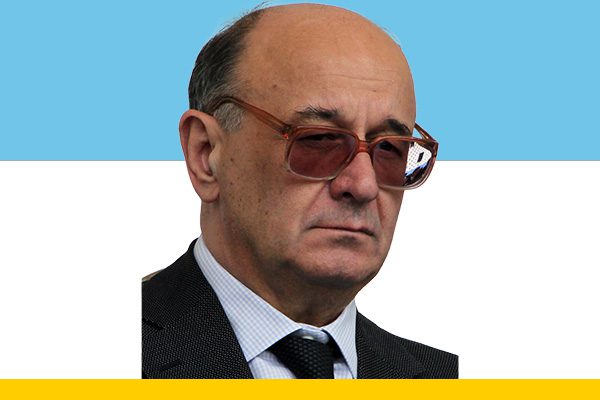

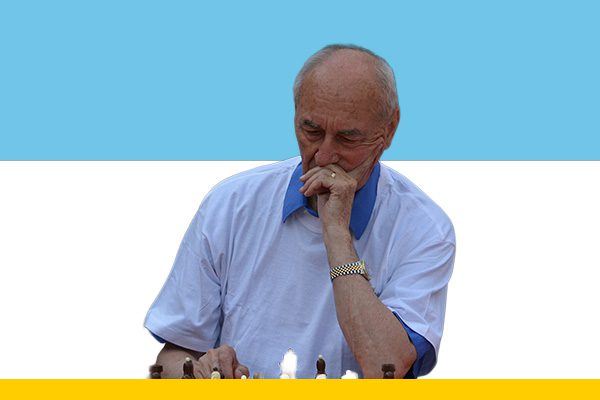
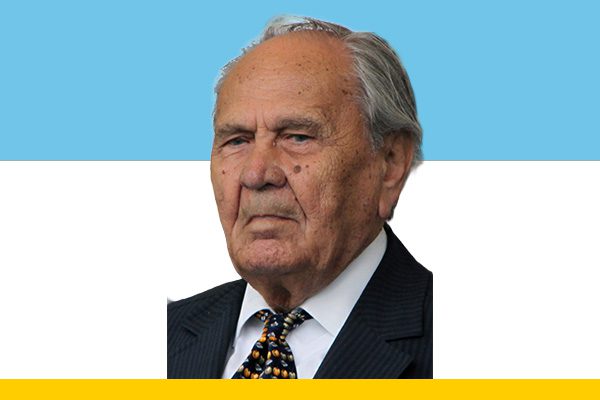
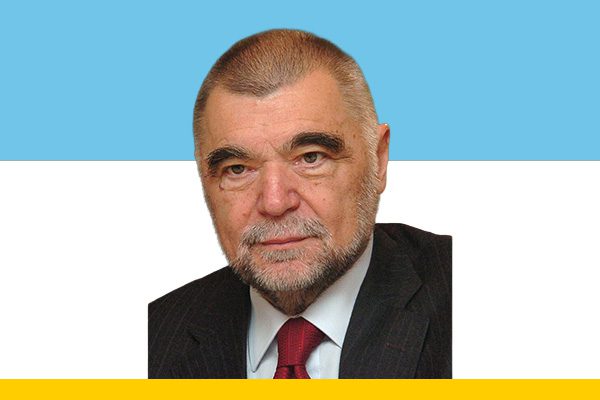
List of Prime Ministers of Croatia
1. Stjepan Mesić (1990)
Stjepan Mesić became Croatia’s first Prime Minister in 1990 while the country was still part of Yugoslavia. His tenure was short but historically significant because it came during the early stages of Croatia’s move toward independence. Later, he served as the President of Croatia and remained an influential political figure.
2. Josip Manolić
Josip Manolić succeeded Mesić and led the government during a period of increasing political tensions. His administration focused on preparing Croatia for independence while dealing with growing regional instability.
3. Franjo Gregurić
Franjo Gregurić headed the Government of National Unity during the Croatian War of Independence. His leadership helped coordinate the country’s defense efforts and maintain government stability in difficult circumstances.
4. Hrvoje Šarinić
Hrvoje Šarinić worked to strengthen state institutions and improve diplomatic relations. His government also supported post-war reconstruction and economic recovery.
5. Nikica Valentić
Nikica Valentić introduced economic reforms that helped stabilize inflation and modernize Croatia’s financial system. His policies laid the groundwork for future economic development.
6. Zlatko Mateša
Serving for nearly five years, Zlatko Mateša focused on economic growth, privatization, and rebuilding the country after the war. His government also promoted closer ties with European institutions.
7. Ivica Račan
Ivica Račan led Croatia’s first center-left coalition government. He introduced democratic reforms, improved media freedom, and strengthened Croatia’s relations with European countries.
8. Ivo Sanader
Ivo Sanader advanced Croatia’s negotiations for membership in the European Union. However, he later resigned and faced corruption charges.
9. Jadranka Kosor
Jadranka Kosor became Croatia’s first female Prime Minister. She intensified anti-corruption efforts and completed the country’s EU accession negotiations.
10. Zoran Milanović
Zoran Milanović oversaw Croatia’s entry into the European Union in 2013, marking one of the country’s most significant international achievements. He later became President of Croatia.
11. Tihomir Orešković
A businessman with no previous political experience, Tihomir Orešković served as Prime Minister for a brief period. His government focused on fiscal discipline and administrative reforms.
12. Andrej Plenković (2016–Present)
Andrej Plenković has served as Prime Minister since 2016. His government has emphasized economic growth, digital transformation, recovery after natural disasters, and Croatia’s role within the European Union. Under his leadership, Croatia adopted the euro as its currency in 2023 and joined the Schengen Area, strengthening its integration with Europe.
Conclusion
The Prime Ministers of Croatia have guided the nation through independence, war, democratic transition, economic modernization, and European integration. From the leadership of Stjepan Mesić during the country’s formative years to the ongoing administration of Andrej Plenković, each Prime Minister has contributed to Croatia’s political and economic development. Today, Croatia stands as a stable democratic nation and an active member of the European Union, reflecting the collective efforts of its leaders over the past three decades.