VICE PRESIDENTS OF EGYPT
The Vice Presidency of Egypt was formally established after the abolition of the monarchy in 1953, when Egypt became a republic. Although the country became a presidential system, the position of Vice President was introduced to support the president in running the country and to ensure a smooth transfer of power when necessary. The office became especially relevant during the era of President Gamal Abdel Nasser, who appointed multiple vice presidents to assist in managing state affairs and preparing possible successors.
LIST OF VICE PRESIDENTS OF EGYPT
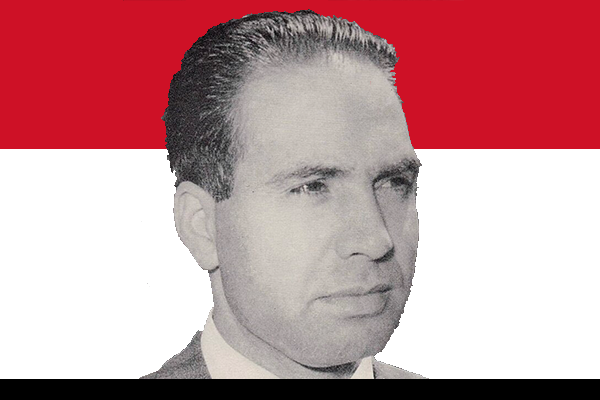

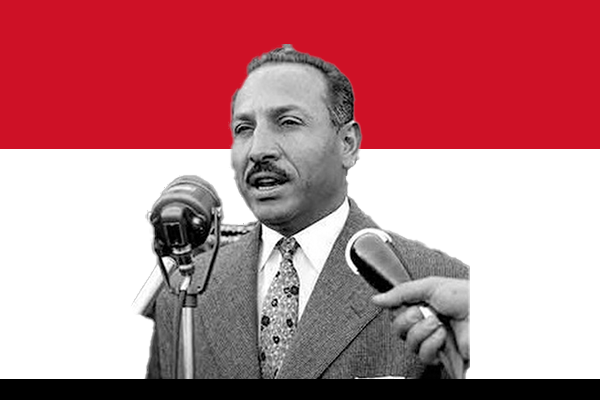
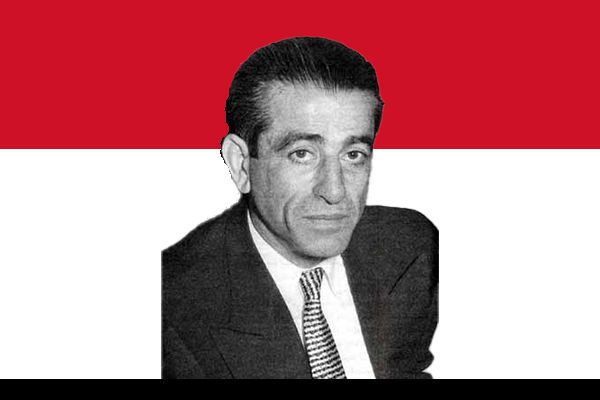

Role and Powers of the Vice President
The role of the Vice President in Egypt has always been flexible and dependent on the president’s discretion. Unlike in some countries where the vice president is elected alongside the president, in Egypt the president appoints the vice president directly. The Constitution does not assign specific duties, so the vice president’s responsibilities vary and often include advising the president, representing Egypt in official functions, or overseeing particular policy areas. Importantly, the vice president does not automatically succeed the president unless specifically chosen to do so.
Notable Vice Presidents in Egyptian History
Several vice presidents have played major roles in Egypt’s modern political history. One of the most significant was Anwar Sadat, who served as vice president under Nasser from 1964 to 1966. After Nasser‘s death in 1970, Sadat became president and led Egypt through major events such as the 1973 October War and the Camp David Accords. Another key figure was Hosni Mubarak, who served as vice president under Sadat from 1975 until 1981. Following Sadat’s assassination, Mubarak assumed the presidency and ruled for nearly 30 years.
Other notable vice presidents include Hussein el-Shafei, who held the position twice and was a trusted figure during the Nasser and Sadat eras. Omar Suleiman, a longtime intelligence chief, was appointed vice president by Mubarak during the 2011 revolution, becoming the first person to hold the role in nearly three decades. His appointment was meant to calm public anger, but it came too late—Mubarak resigned shortly after. Mahmoud Mekki, a former judge, was appointed by President Mohamed Morsi in 2012. He resigned later that year, stating that political life did not suit his judicial background.
Abolishment and Constitutional Amendments
In Egypt’s 2014 Constitution, the position of vice president was officially abolished as part of broader changes to the political system, concentrating more power in the hands of the president. However, a 2019 constitutional amendment reinstated the possibility for the president to appoint one or more vice presidents. Despite this, no vice president has been appointed since the amendment, and the position remains vacant as of 2025.
Conclusion
In summary, the Vice Presidency in Egypt has historically been a shifting and often symbolic role. While it has occasionally served as a stepping stone to the presidency—as seen with Sadat and Mubarak—it has also experienced long periods of inactivity or minimal influence. Today, the prime minister and military leadership play more active roles in Egypt’s political structure than the vice presidency, which remains a flexible tool at the president’s discretion.