PRESIDENTS OF IRAN
Presidents of Iran: Leadership Through a Changing Political Landscape
The office of the President of Iran has played a central role in shaping the country’s political direction since the establishment of the Islamic Republic in 1979. Although the Supreme Leader holds ultimate authority, Iran’s presidents have influenced domestic reforms, foreign relations, and economic strategies. Their leadership reflects the nation’s evolving priorities and the social and political shifts experienced over the decades.
LIST OF PRESIDENTS OF IRAN
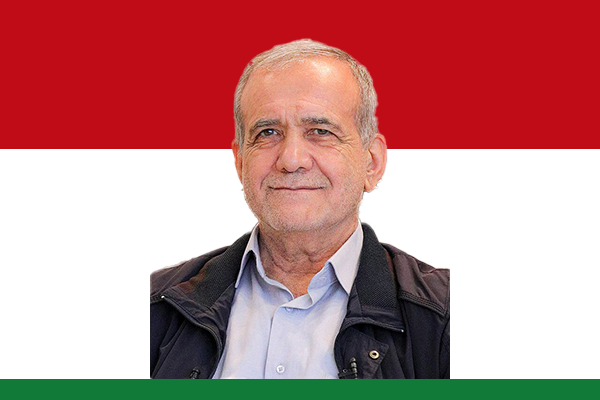


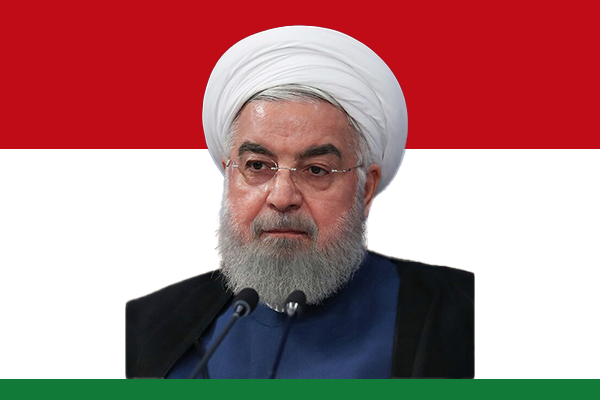
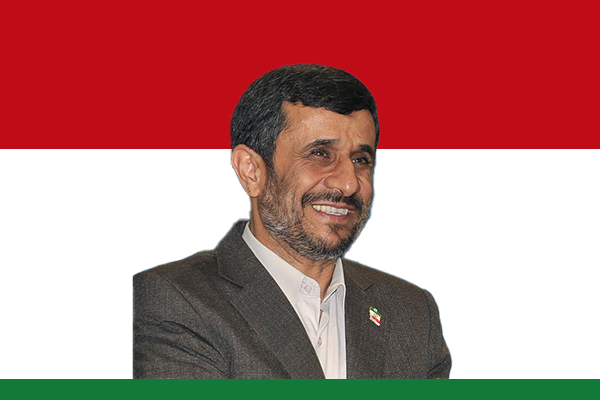


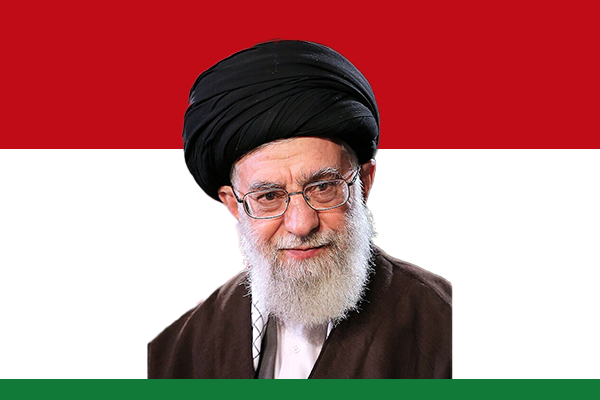


The Early Foundations
Iran elected its first president, Abolhassan Banisadr, in 1980. He attempted to strengthen the executive branch and modernize governance, but political conflicts forced him out of office in 1981. After him, Mohammad-Ali Rajai served briefly before his assassination, marking one of the most turbulent chapters in Iran’s post-revolutionary history. These early events shaped the presidency into a position requiring careful navigation of political factions and revolutionary institutions.
Consolidation and Reconstruction
Ali Khamenei became president in 1981 and served two terms during the Iran–Iraq War. He focused on national stability, wartime management, and preserving revolutionary ideology. His presidency helped define a period of consolidation for the Islamic Republic.
After the war, Akbar Hashemi Rafsanjani assumed office in 1989. He prioritized economic reconstruction, infrastructure growth, and post-war recovery, steering the nation toward industrial development. Rafsanjani’s era emphasized pragmatism and rebuilding Iran’s internal strength.
Reform and Conservatism in Balance
In 1997, Mohammad Khatami won the presidency with widespread public support, championing political reform, civil society, and dialogue with the international community. His administration encouraged cultural openness and sought diplomatic engagement, although internal opposition limited the extent of his reforms.
Mahmoud Ahmadinejad succeeded him in 2005, shifting the country toward conservative policies and a confrontational foreign policy stance. He emphasized economic populism, welfare programs, and strong resistance to Western pressure, especially regarding Iran’s nuclear program.
Moderation and Renewed Tensions
Hassan Rouhani’s presidency, beginning in 2013, focused on easing international tensions and stabilizing the economy. His biggest achievement was the 2015 nuclear deal, which temporarily reduced sanctions and opened avenues for global cooperation. However, challenges returned after the agreement faced setbacks and regional disputes intensified.
Ebrahim Raisi took office in 2021, concentrating on anti-corruption efforts, regional diplomacy, and strengthening the Islamic Republic’s ideological foundations. His presidency highlighted a renewed emphasis on conservative governance and security-focused policies.
Contemporary Developments
Masoud Pezeshkian, elected in 2024, represents a more reformist approach. He advocates for social freedoms, improved economic management, and constructive international relations. His leadership reflects growing public demand for stability, opportunity, and relief from economic pressures.
Across four decades, Iran’s presidents have navigated internal rivalries, global scrutiny, and shifting social expectations. Each administration has left a distinct mark on the nation’s political evolution, contributing to the ongoing dialogue about Iran’s identity and future direction.