VICE PRESIDENTS OF IRAQ
Introduction
The position of Vice President of Iraq has played an important supporting role in the country’s political system, particularly during periods of transition, conflict, and constitutional change. Over the decades, Iraq has seen several vice presidents who represented different political groups, regions, and ideologies. Their responsibilities have evolved with Iraq’s shifting governance structures, from authoritarian rule to a federal parliamentary system.
LIST OF VICE PRESIDENTS OF IRAQ



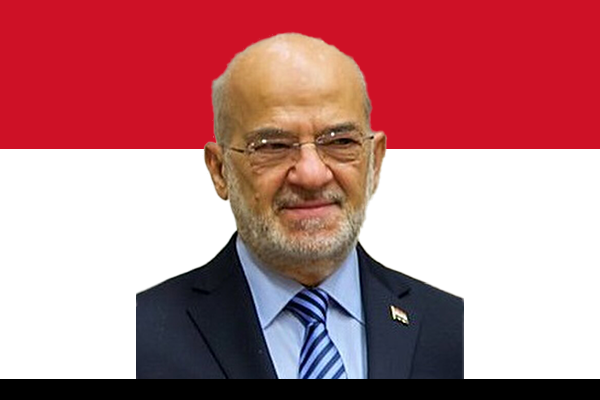
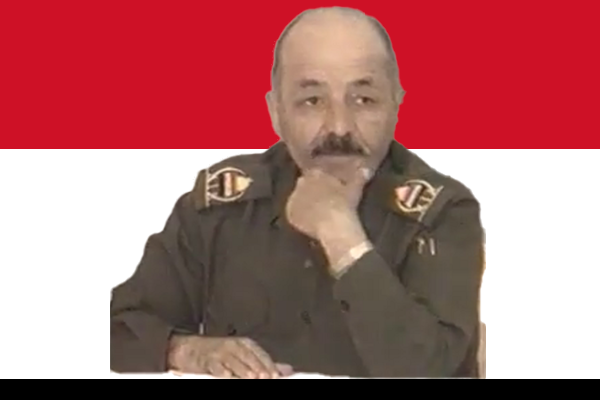



Role of the Vice President in Iraq
Traditionally, the Vice President of Iraq serves as a senior state official who supports the President in constitutional duties. The role often includes representing the country at official events, advising on national policy, and stepping in when the President is absent. Under Iraq’s post-2005 constitution, the presidency council initially included a president and vice presidents to ensure ethnic and sectarian balance. Although the role has sometimes been reduced or suspended due to political reforms, it has remained symbolically and politically significant.
Vice Presidents During the Ba’ath Era
Under the Ba’ath Party and President Saddam Hussein, the office of Vice President held considerable influence. Saddam Hussein himself served as Vice President before becoming President in 1979. During this period, vice presidents were often trusted party figures who helped consolidate power and maintain internal control. The position was closely tied to the ruling party rather than independent constitutional authority.
Vice Presidents After 2003
Following the fall of Saddam Hussein in 2003, Iraq entered a new political era. The transitional government and the 2005 constitution reshaped the vice presidency. To promote power-sharing, Iraq appointed multiple vice presidents at the same time. This approach aimed to represent Shiite, Sunni, and Kurdish communities at the highest level of the state.
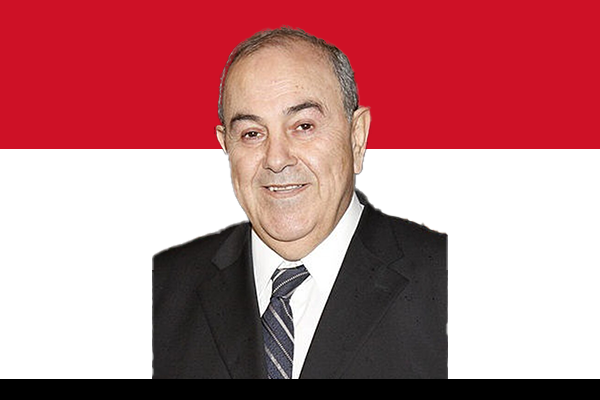
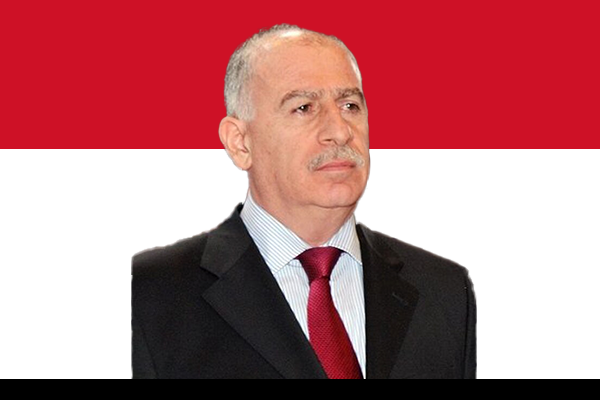
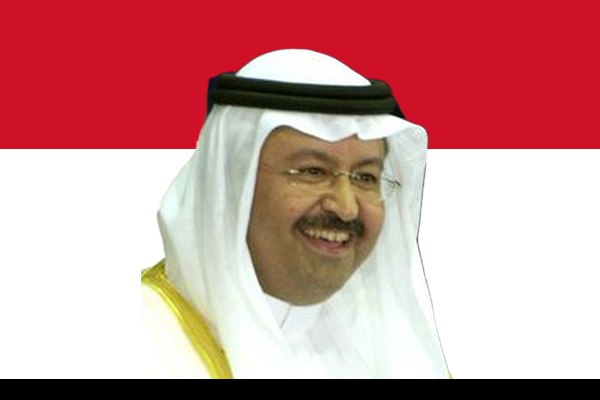
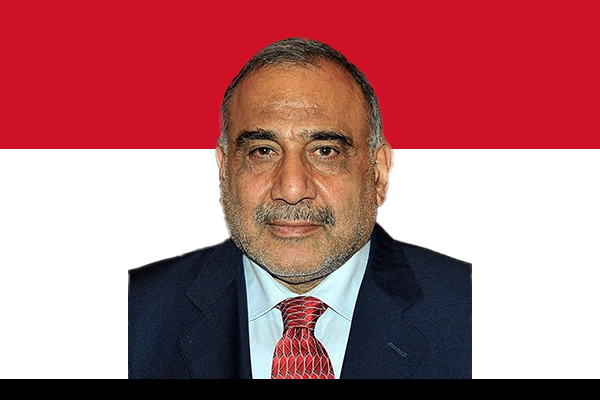
Notable figures include Adil Abdul-Mahdi, who served as Vice President before later becoming Prime Minister; Tariq al-Hashemi, a prominent Sunni political leader; Khudair al-Khuzaei, who played a stabilizing role during turbulent years; and Ayad Allawi, a former Prime Minister who served as Vice President to provide political balance.
Reforms and Abolition Attempts
In later years, Iraqi governments attempted to reduce the number of senior posts to cut costs and limit political patronage. At times, the vice presidency was abolished or frozen, though court rulings and political agreements later restored it. These changes reflect Iraq’s ongoing struggle to balance efficiency with inclusive governance.
Conclusion
The Vice Presidents of Iraq have reflected the country’s complex political history and diversity. From powerful figures in an authoritarian system to symbolic representatives in a democratic framework, vice presidents have played varying roles. Understanding their contributions helps explain Iraq’s broader political evolution and the challenges of governing a diverse nation.