PRESIDENTS OF IRAQ
Presidents of Iraq: A Historical Overview
Iraq’s presidency has evolved significantly since the establishment of the modern Iraqi state in the 20th century. The office of the President of Iraq has reflected the country’s political transitions—from monarchy to republic, from authoritarian rule to a federal parliamentary system. Below is an overview of Iraq’s presidents and the historical context in which they served.
LIST OF PRESIDENTS OF IRAQ


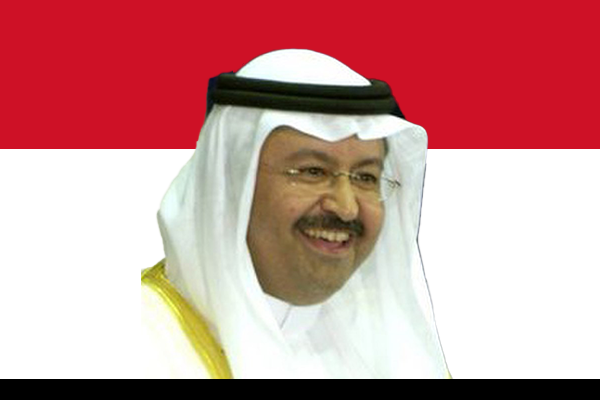
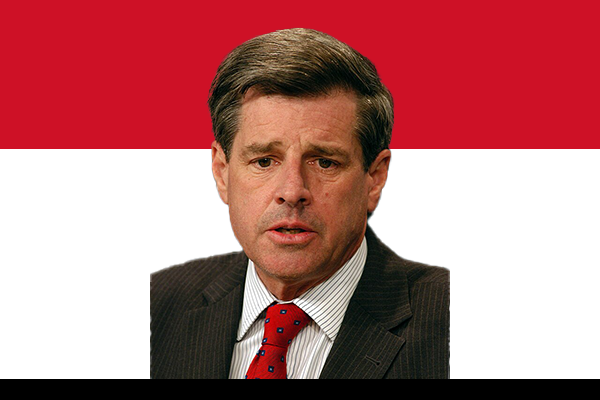




Early Republican Period (1958–1968)
Iraq abolished its monarchy in 1958 after a military coup led by Abd al-Karim Qasim. In the early republican years, the presidency was largely ceremonial or collective. Muhammad Najib ar-Ruba’i became the first President of the Iraqi Republic (1958–1963), serving as a symbolic head of state while real power rested with military leaders. His presidency marked Iraq’s first step away from monarchy toward republican governance.
After political instability and coups, Abdul Salam Arif emerged as president in 1963. He emphasized Arab nationalism and sought closer ties with other Arab states. Following his death in a helicopter crash in 1966, his brother Abdul Rahman Arif assumed the presidency. Abdul Rahman Arif ruled until 1968, when the Ba’ath Party seized power in another coup.
Ba’ath Party Era (1968–2003)
The Ba’athist period transformed the presidency into a powerful executive office. Ahmed Hassan al-Bakr served as President from 1968 to 1979. His rule strengthened state institutions and consolidated Ba’ath Party control. In 1979, he resigned, paving the way for his deputy.
Saddam Hussein became President in 1979 and remained in power until 2003. His presidency was marked by strong central authority, internal repression, and major conflicts, including the Iran–Iraq War and the Gulf War. Saddam’s long rule ended after the 2003 US-led invasion of Iraq, which fundamentally changed the country’s political system.
Post-2003 Democratic Transition
After 2003, Iraq adopted a new constitution that defined the presidency as a largely ceremonial role within a parliamentary democracy. Ghazi Mashal Ajil al-Yawer served as interim president in 2004 during the transitional period.
In 2005, Jalal Talabani became the first elected President of Iraq under the new constitution and the first Kurdish president. His presidency symbolized ethnic inclusion and national reconciliation. He served until 2014.
Fuad Masum followed from 2014 to 2018, focusing on constitutional stability during a period marked by security challenges. He was succeeded by Barham Salih (2018–2022), who emphasized reform, dialogue, and Iraq’s sovereignty.
Current Presidency
In 2022, Abdul Latif Rashid assumed the presidency. As president, he represents national unity, oversees constitutional duties, and supports democratic institutions in a complex political environment.
Conclusion
The presidents of Iraq reflect the nation’s turbulent history and ongoing efforts toward stability. From revolutionary beginnings to authoritarian dominance and finally to constitutional democracy, the Iraqi presidency continues to symbolize the country’s political journey.