PRIME MINISTERS OF KUWAIT
Prime Ministers of Kuwait
The Prime Minister of Kuwait is the head of government and plays a central role in managing the country’s executive authority. Kuwait, a constitutional emirate in the Arabian Gulf, established the position of Prime Minister after gaining independence from Britain in 1961. The Prime Minister is appointed by the Emir and is usually a senior member of the ruling Al-Sabah family. Over the years, Kuwait’s Prime Ministers have contributed significantly to the country’s political stability, economic growth, and international relations.
LIST OF PRIME MINISTERS OF KUWAIT
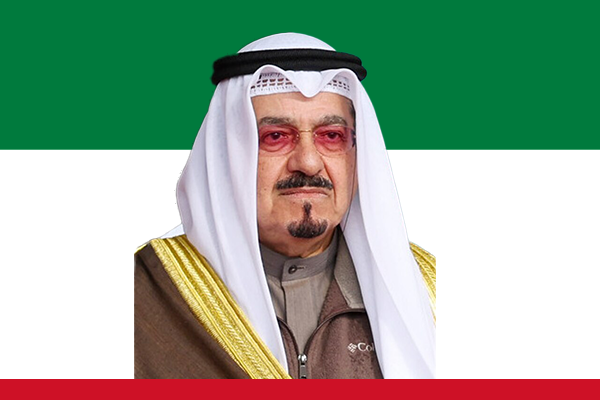
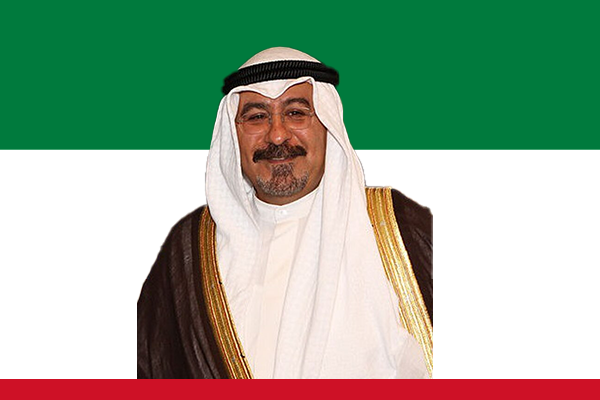


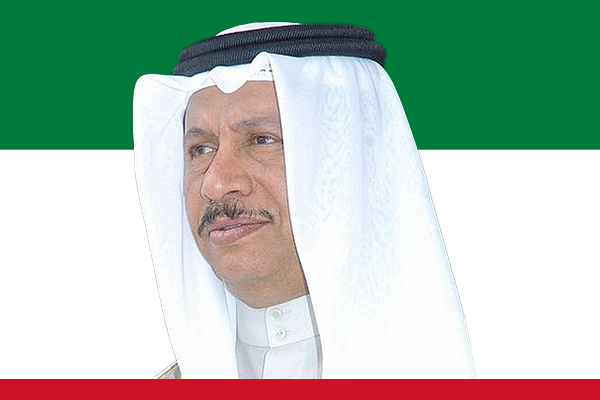
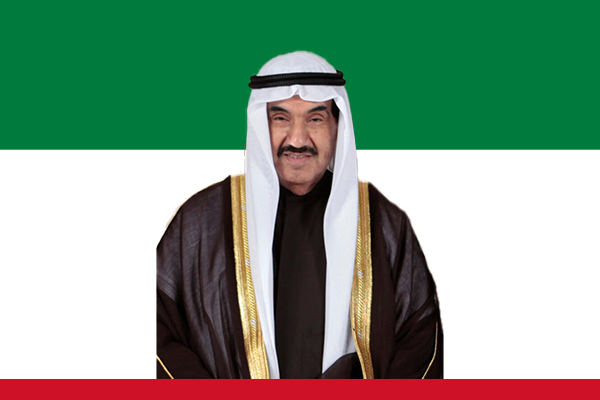
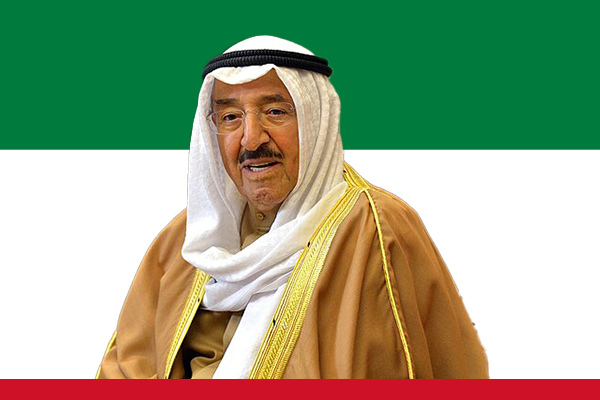
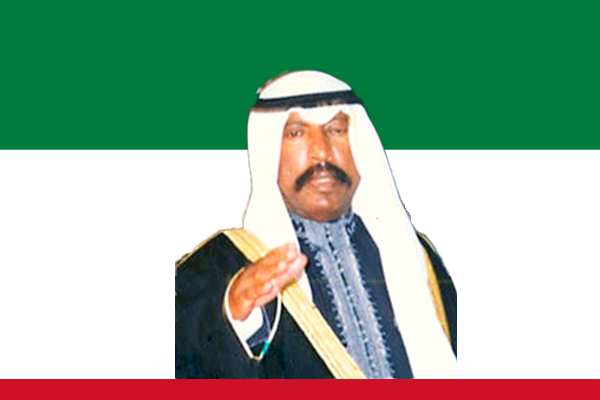
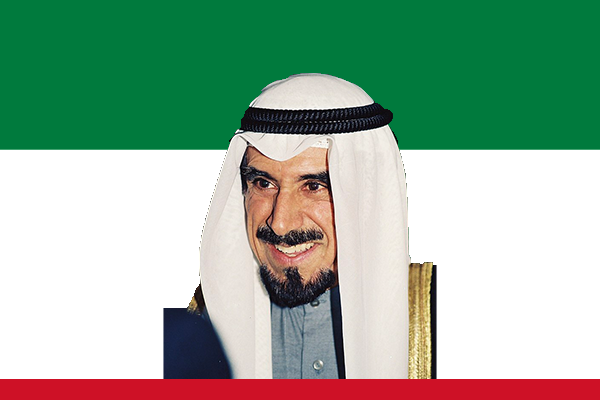


Establishment of the Position
The position was first created in 1962 following the adoption of Kuwait’s Constitution. The first Prime Minister was Sabah Al‑Salem Al‑Sabah, who served from 1962 to 1963 before becoming Emir. His leadership helped establish the foundations of Kuwait’s modern government and administrative system.
Key Prime Ministers and Their Contributions
One of the longest-serving Prime Ministers was Saad Al‑Abdullah Al‑Sabah, who held office from 1978 to 2003. He played a crucial role during the Iraqi invasion of Kuwait in 1990 and supported the government in exile until liberation in 1991.
Another important leader was Sabah Al‑Ahmad Al‑Sabah, who served as Prime Minister from 2003 to 2006. He was known for his diplomatic skills and later became Emir, earning international recognition for his humanitarian work and foreign policy leadership.
Nasser Al‑Mohammed Al‑Sabah served from 2006 to 2011 and was Kuwait’s first Prime Minister to face intense parliamentary questioning, reflecting Kuwait’s active democratic system.
Recent Leadership
In recent years, Kuwait has seen several leadership changes. The current Prime Minister is Ahmad Al‑Abdullah Al‑Sabah, who assumed office in 2024. His government focuses on economic reform, infrastructure development, and reducing dependence on oil by promoting diversification.
Role and Importance
The Prime Minister chairs the Council of Ministers, proposes laws, and oversees government ministries. While the Emir remains the head of state with significant authority, the Prime Minister manages daily governance and policy implementation.
Kuwait’s political system is unique in the Gulf region because of its elected National Assembly, which can question ministers and influence government decisions. This system encourages accountability and public participation.
Conclusion
Since independence, the Prime Ministers of Kuwait have played a vital role in shaping the nation’s political and economic development. From establishing modern institutions to managing crises and promoting reforms, they have helped Kuwait maintain stability and progress. Their leadership continues to guide the country toward future growth and modernization while preserving its constitutional and democratic traditions.