PRESIDENTS OF KYRGYZSTAN
Presidents of Kyrgyzstan
Kyrgyzstan, a Central Asian nation that gained independence after the collapse of the Soviet Union in 1991, has experienced significant political change. The office of the President has played a crucial role in shaping the country’s political system, governance, and democratic development. Since independence, several presidents have led Kyrgyzstan, each leaving a distinct impact on its history.
LIST OF PRESIDENTS OF KYRGYZSTAN
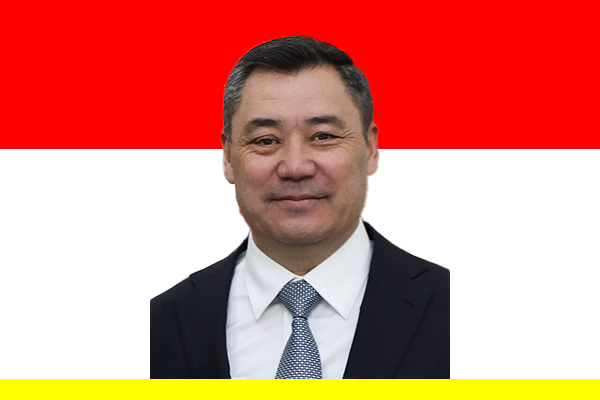
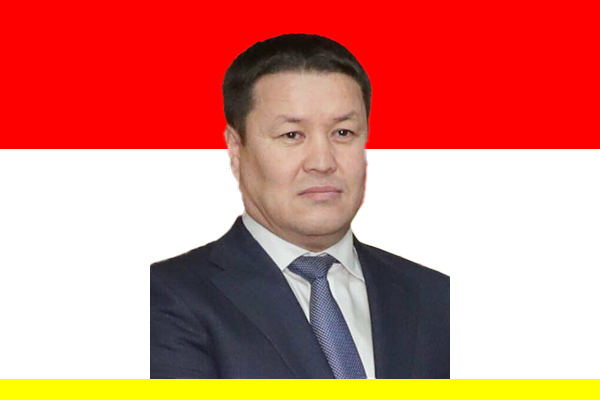
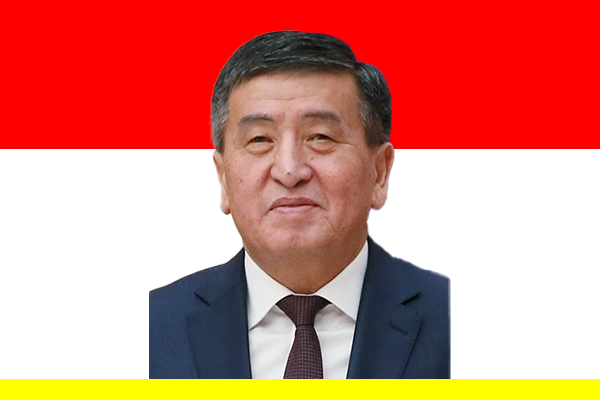
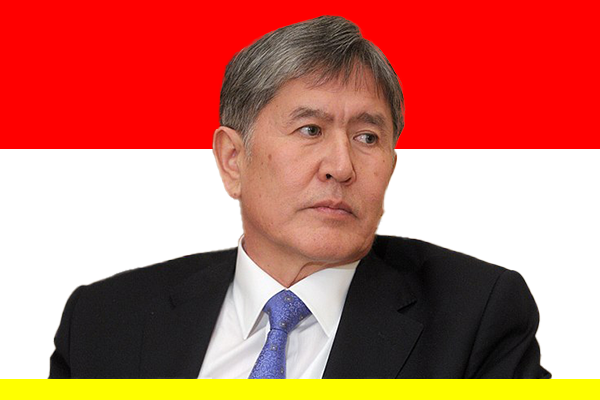
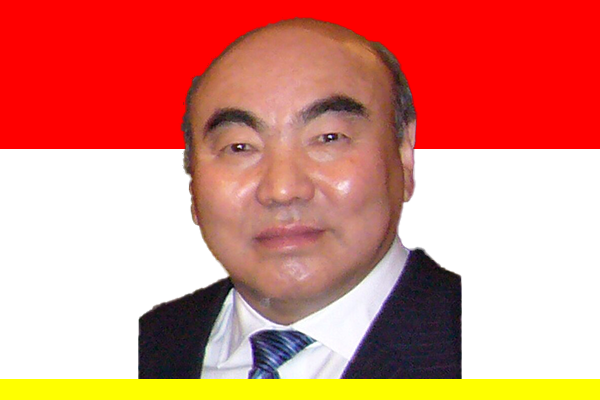
Askar Akayev (1991–2005)
Askar Akayev was the first President of Kyrgyzstan and came to power at the time of independence. Initially viewed as a reformist leader, Akayev promoted democratic values, a market economy, and openness to the international community. During his early years, Kyrgyzstan was often considered one of the more democratic states in Central Asia. However, over time, allegations of corruption, nepotism, and authoritarian tendencies increased. Public dissatisfaction eventually led to the 2005 “Tulip Revolution,” forcing Akayev to resign and leave the country.
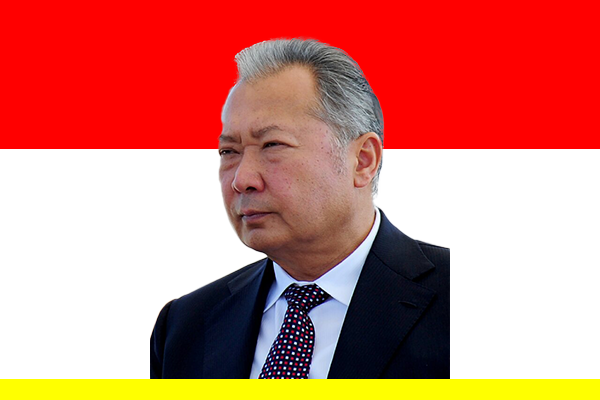
Kurmanbek Bakiyev (2005–2010)
Following the Tulip Revolution, Kurmanbek Bakiyev became president with promises of reform and transparency. Despite early hopes, his presidency soon faced criticism for concentrating power within his family and inner circle. Economic problems, rising energy prices, and widespread corruption fueled public anger. In 2010, mass protests erupted, resulting in Bakiyev’s removal from office and his subsequent flight from Kyrgyzstan.
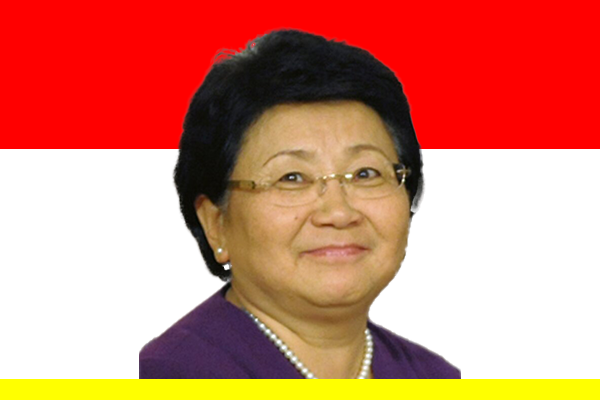
Roza Otunbayeva (2010–2011)
Roza Otunbayeva served as interim President after the 2010 uprising, making history as the first woman to lead Kyrgyzstan. Her primary task was to stabilize the country during a period of political unrest and ethnic tension. Under her leadership, a new constitution was adopted that reduced presidential powers and strengthened the parliamentary system. Otunbayeva’s short tenure laid the groundwork for more balanced governance.
Almazbek Atambayev (2011–2017)
Almazbek Atambayev became president through democratic elections in 2011. His presidency marked the first peaceful transfer of power from one elected leader to another in Kyrgyzstan’s history. Atambayev focused on strengthening state institutions and improving relations with neighboring countries. However, political rivalries and accusations of corruption later overshadowed his legacy.
Sooronbay Jeenbekov (2017–2020)
Sooronbay Jeenbekov succeeded Atambayev and initially enjoyed strong political support. Over time, tensions grew between Jeenbekov and his predecessor, leading to political instability. In 2020, disputed parliamentary elections triggered widespread protests, forcing Jeenbekov to resign amid public pressure.
Sadyr Japarov (2021–Present)
Sadyr Japarov rose to power following the 2020 political crisis and was elected president in 2021. His leadership has focused on constitutional changes, strengthening presidential authority, and promising economic development. Japarov remains a significant figure in Kyrgyzstan’s current political landscape.
Conclusion
The history of Kyrgyzstan’s presidents reflects the country’s ongoing struggle to balance democracy, stability, and effective governance. Each president has shaped the nation during critical moments, making the presidency a central institution in Kyrgyzstan’s modern history.