PRIME MINISTERS OF KYRGYZSTAN
Prime Ministers of Kyrgyzstan
The Prime Minister of Kyrgyzstan is the head of government and plays a central role in running the country’s executive administration. Since gaining independence from the Soviet Union in 1991, Kyrgyzstan has experienced frequent political change, and this has been reflected in the office of the prime minister. Political reforms, revolutions, and shifts in the balance of power between the president, parliament, and government have all influenced the role.
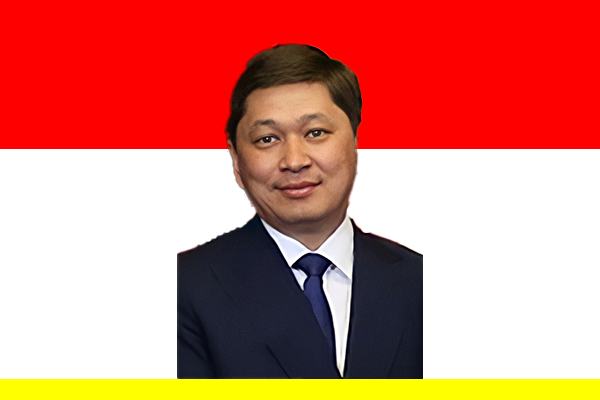
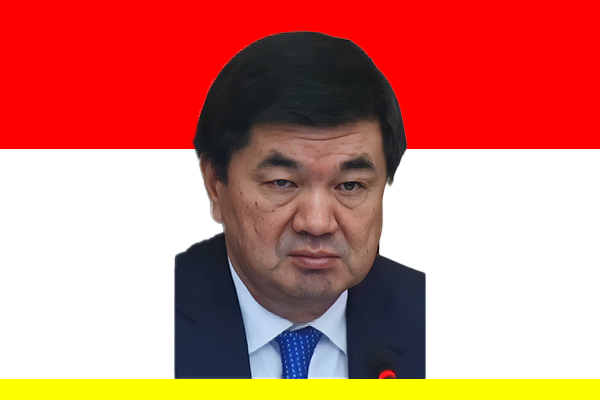
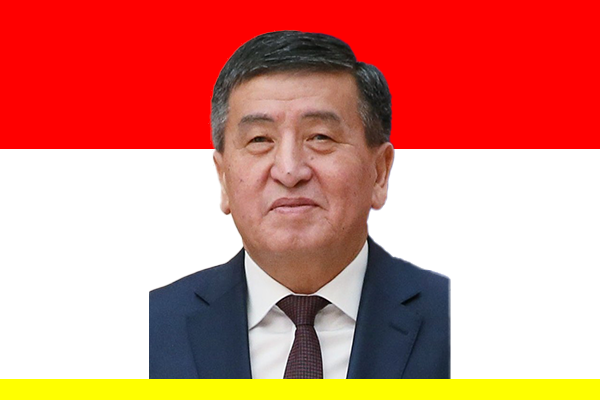
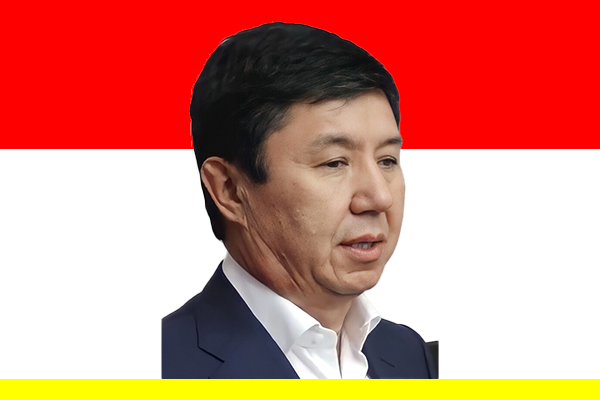
LIST OF PRIME MINISTERS OF KYRGYZSTAN



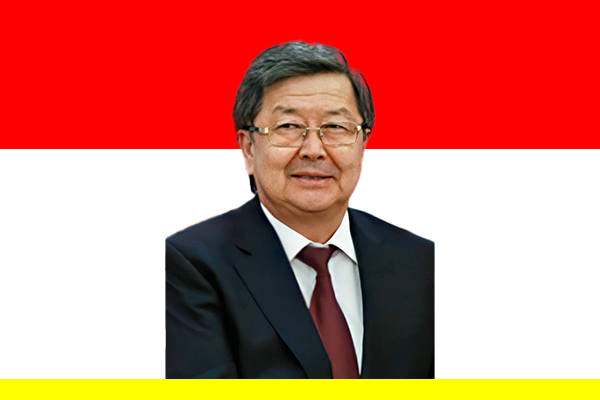
Role and Responsibilities
The prime minister is responsible for implementing state policy, managing the national economy, and overseeing the work of ministries and state committees. Appointed by the president and approved by parliament, the prime minister leads the Cabinet of Ministers. Although the president has traditionally held strong authority, especially in the early years of independence, the prime minister remains crucial for day-to-day governance and policy execution.
Early Prime Ministers After Independence
Following independence in 1991, Kyrgyzstan’s first prime minister was Nasirdin Isanov, who served until his death in the same year. He was followed by Tursunbek Chyngyshev, who guided the country during the difficult transition from a Soviet planned economy to a market-based system. These early leaders faced major challenges, including economic collapse, inflation, and the creation of new state institutions.
Political Instability and Frequent Changes
From the mid-1990s to the late 2000s, Kyrgyzstan saw a rapid turnover of prime ministers. Leaders such as Apas Jumagulov, Kurmanbek Bakiyev, and Nikolai Tanaev served during periods marked by political tension and public dissatisfaction. The “Tulip Revolution” of 2005, which led to the overthrow of President Askar Akayev, also resulted in major changes in the prime minister’s office.
Parliamentary Reforms and New Leadership
After the 2010 revolution, Kyrgyzstan adopted a parliamentary system, reducing presidential powers and strengthening the role of parliament and the prime minister. During this period, figures like Almazbek Atambayev, Joomart Otorbaev, and Sooronbay Jeenbekov served as prime minister before later becoming presidents, highlighting the office as a key stepping stone in national politics.
Recent Prime Ministers
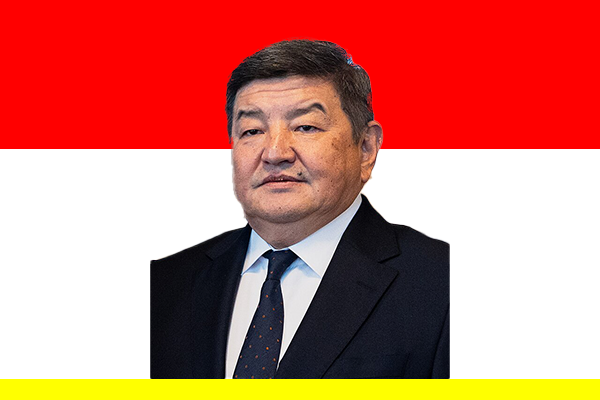
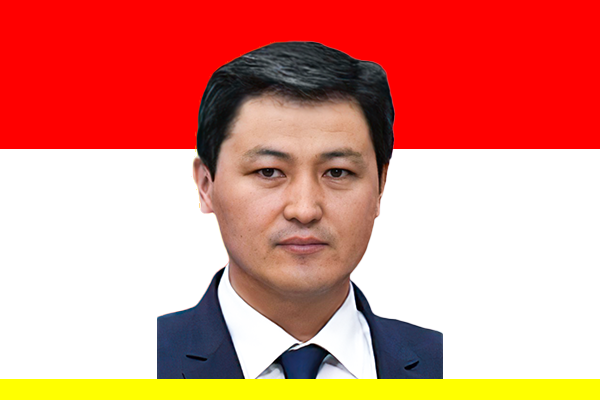
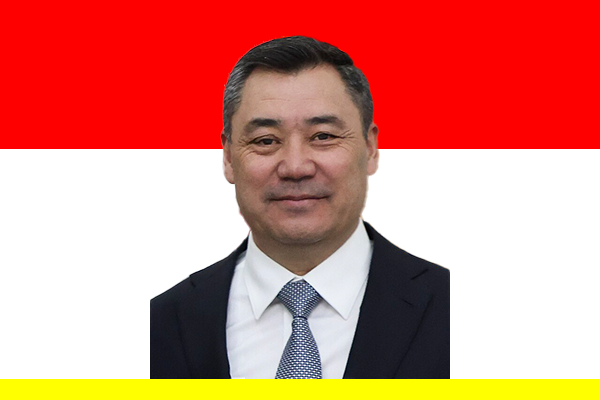
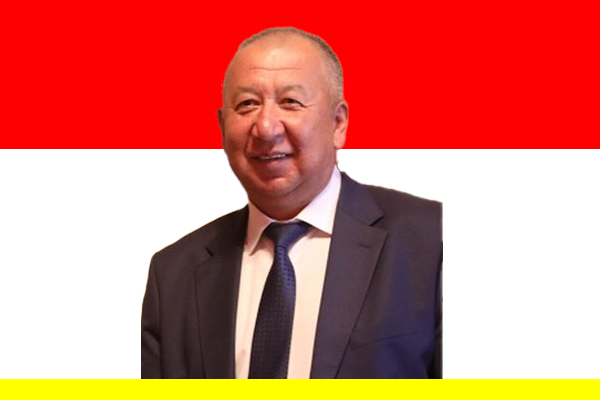
In recent years, prime ministers such as Mukhammedkalyi Abylgaziev, Kubatbek Boronov, and Akylbek Japarov have focused on economic development, anti-corruption measures, and political stability. Despite ongoing challenges, the role continues to evolve as Kyrgyzstan seeks a balance between strong leadership and democratic governance.
Conclusion
The history of the prime ministers of Kyrgyzstan reflects the country’s broader political journey. Frequent leadership changes, reforms, and shifting power structures have shaped the office into one of the most influential positions in the nation’s political system.