KINGS OF LAOS
Kings of Laos
Laos, officially known as the Lao People’s Democratic Republic today, was historically ruled by a line of monarchs whose authority shaped the country’s political, cultural, and religious life. The Lao monarchy developed from ancient kingdoms, most notably Lan Xang, and lasted until the mid-20th century. The kings of Laos played a central role in unifying the Lao people, defending the kingdom, and promoting Buddhism as the state religion.
LIST OT KINGS OF LAOS
Foundation of the Lao Monarchy
The history of Lao kingship began with King Fa Ngum, who founded the Kingdom of Lan Xang in 1353. Raised at the Khmer court, Fa Ngum returned to the Mekong region with military support and established a powerful kingdom whose name meant “Land of a Million Elephants.” He introduced Theravada Buddhism as the official religion and laid the foundations of Lao culture, law, and administration. Fa Ngum is remembered as the first great king of Laos.
Expansion and Golden Age
Following Fa Ngum, several kings strengthened Lan Xang. One of the most notable rulers was King Setthathirath in the 16th century. He moved the capital to Vientiane, built important religious monuments such as That Luang, and defended the kingdom against Burmese invasions. His reign is often considered a golden period due to cultural development and national unity.
Another significant ruler was King Sourigna Vongsa, whose long reign brought peace and prosperity. Under his leadership, Lan Xang experienced stability, effective governance, and flourishing arts and religion. His era is widely regarded as the most successful period of the Lao monarchy.
Decline and Division
After the death of strong rulers, internal conflicts weakened the kingdom. By the early 18th century, Lan Xang fragmented into three separate kingdoms: Luang Prabang, Vientiane, and Champasak, each ruled by its own king. This division made Laos vulnerable to foreign influence, particularly from Siam (Thailand) and later France.
Kings under French Rule
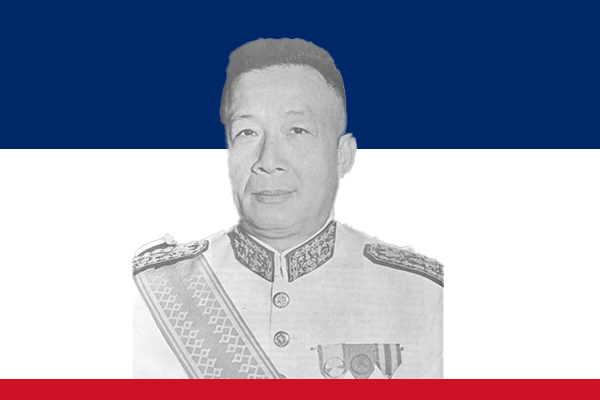
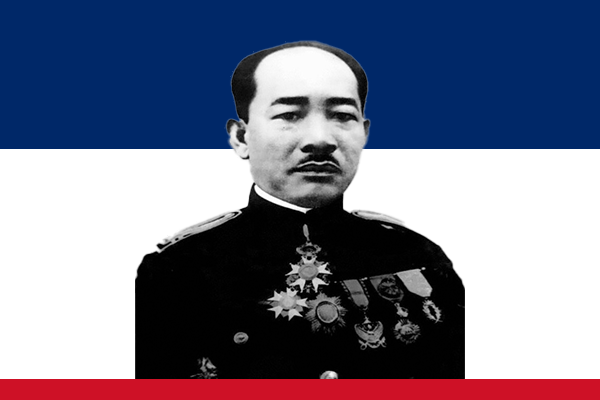
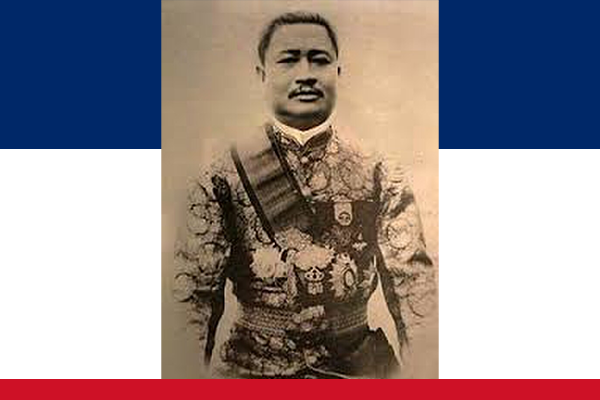
In the late 19th century, Laos became part of French Indochina. The monarchy continued but with limited power. The kings served mainly as symbolic rulers while the French controlled administration. King Sisavang Vong of Luang Prabang became the most prominent monarch during this period and later ruled a unified Laos under French protection.
End of the Monarchy
The final king of Laos was King Savang Vatthana, who ascended the throne in 1959. His reign was marked by political instability and the Laotian Civil War. In 1975, the monarchy was abolished when the communist Pathet Lao took power. This marked the end of centuries of royal rule in Laos.
Legacy of the Lao Kings
Although the monarchy no longer exists, the kings of Laos left a lasting legacy. Their contributions to national identity, Buddhism, architecture, and culture continue to influence Lao society and historical memory today.