PRIME MINISTERS OF LAOS
Prime Ministers of Laos
The Prime Minister of Laos is the head of government and plays a crucial role in shaping the country’s political, economic, and administrative direction. Officially known as the Prime Minister of the Lao People’s Democratic Republic, the position operates within a single-party socialist system led by the Lao People’s Revolutionary Party (LPRP). Since the establishment of the modern Lao state in 1975, the office of the prime minister has evolved alongside the nation’s governance structure.
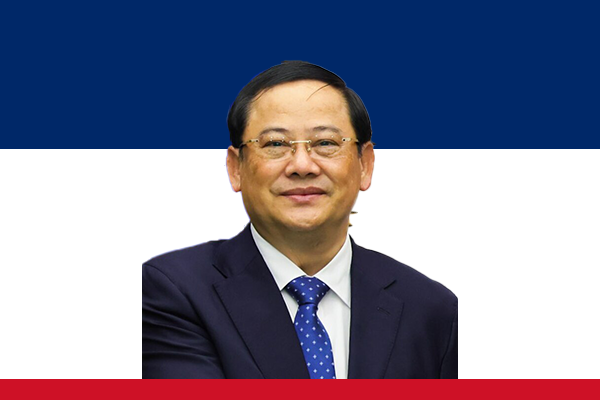
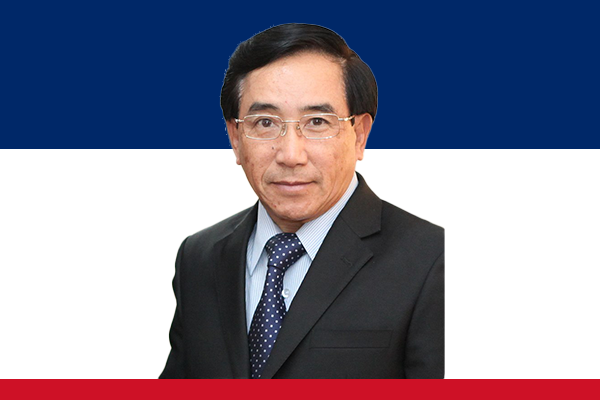
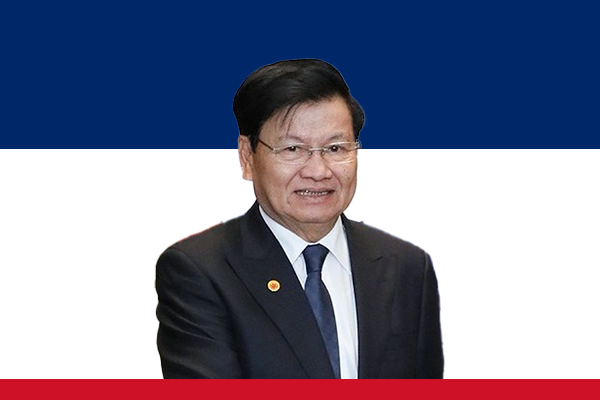
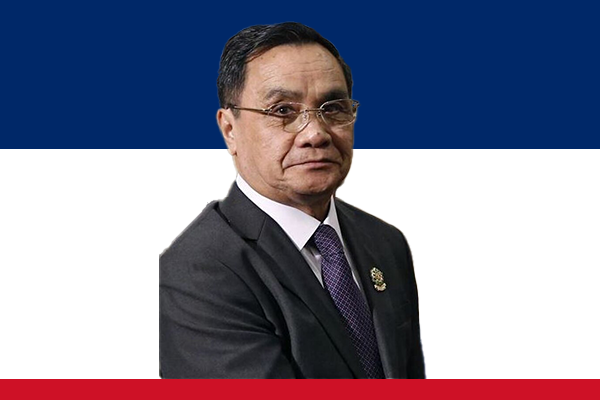
LIST OF PRIME MINISTERS OF LAOS
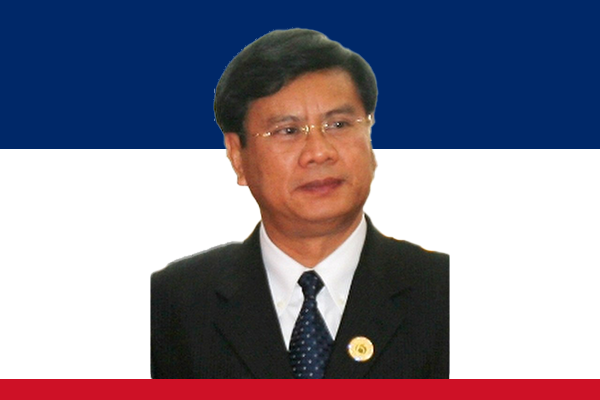
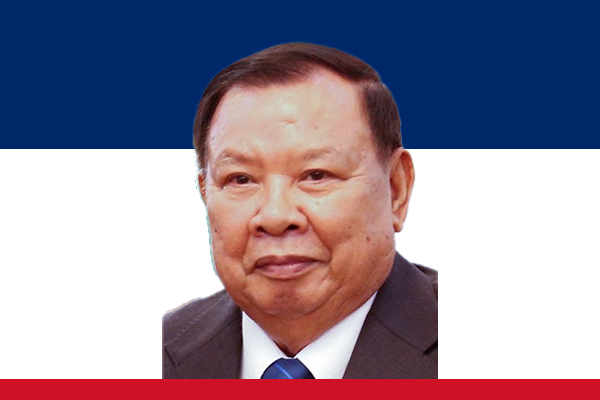

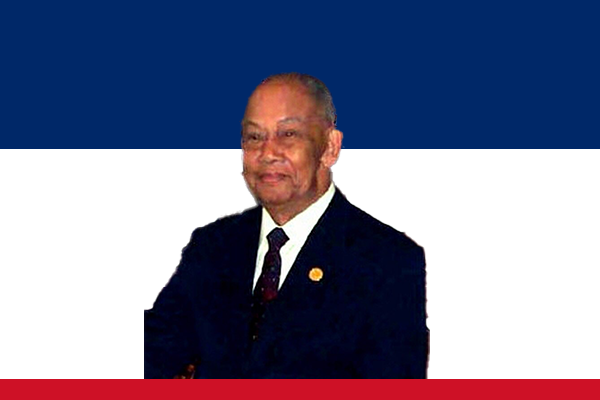


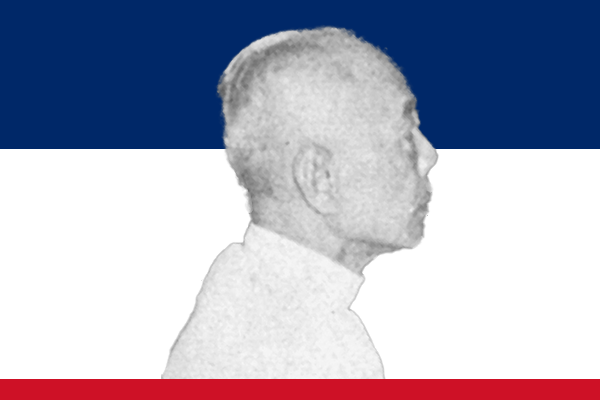

Establishment of the Office
The office of the Prime Minister was formally established in 1975, following the abolition of the monarchy and the proclamation of the Lao People’s Democratic Republic. Under the new socialist framework, executive power was placed in the hands of the Council of Ministers, headed by the Prime Minister. The Prime Minister is appointed by the National Assembly upon the recommendation of the President.
Early Prime Ministers
The first Prime Minister of Laos was Kaysone Phomvihane, a founding leader of the LPRP and a key figure in the revolutionary movement. Serving from 1975 to 1991, he played a dominant role in consolidating the new political system, rebuilding the country after years of conflict, and strengthening ties with socialist allies. His leadership laid the foundation for Laos’s centralized political structure.
Prime Ministers During Reform Era
In the late 1980s and 1990s, Laos began cautious economic reforms under the New Economic Mechanism, moving toward a market-oriented economy while retaining socialist political control. Prime Ministers during this period focused on economic stabilization, foreign investment, and regional cooperation. Leaders such as Sisavath Keobounphan and Bounnhang Vorachith emphasized gradual reform and national development.
Modern Prime Ministers
In the 21st century, Prime Ministers of Laos have prioritized infrastructure development, poverty reduction, and regional integration, particularly within Southeast Asia. Thongloun Sisoulith, who served as Prime Minister from 2016 to 2021, was notable for his focus on governance reforms, anti-corruption efforts, and managing large-scale infrastructure projects. He later became President of Laos.
The current Prime Minister, Sonexay Siphandone, continues to address economic challenges, including inflation, public debt, and development planning. His leadership reflects the continuity of party-led governance while responding to modern economic pressures.
Role and Responsibilities
The Prime Minister oversees the Council of Ministers, implements laws passed by the National Assembly, and manages national policies. Although the position holds significant executive authority, real power operates collectively within the party leadership, ensuring alignment with the LPRP’s objectives.
Conclusion
The Prime Ministers of Laos have played a central role in guiding the nation through post-revolution consolidation, economic reform, and modern development. While leadership styles have varied, the office remains a key pillar of Laos’s political system, reflecting stability, continuity, and the enduring influence of the ruling party.