PRESIDENTS OF LEBANON
Presidents of Lebanon
Lebanon has experienced a complex political history shaped by sectarian balance, regional conflicts, and constitutional developments. The President of Lebanon serves as the head of state and is traditionally a Maronite Christian, reflecting the country’s confessional political system established by the 1943 National Pact.
LIST OF PRESIDENTS OF LEBANON


Early Presidents
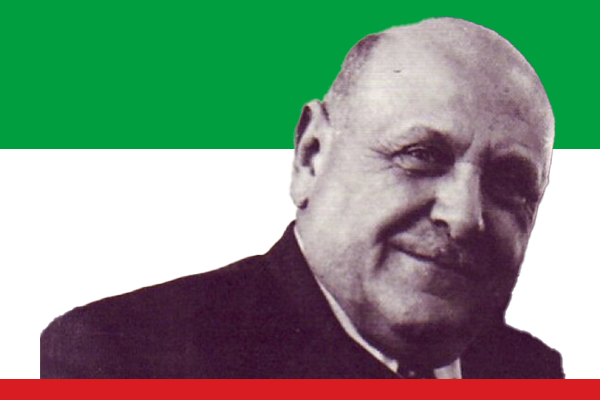
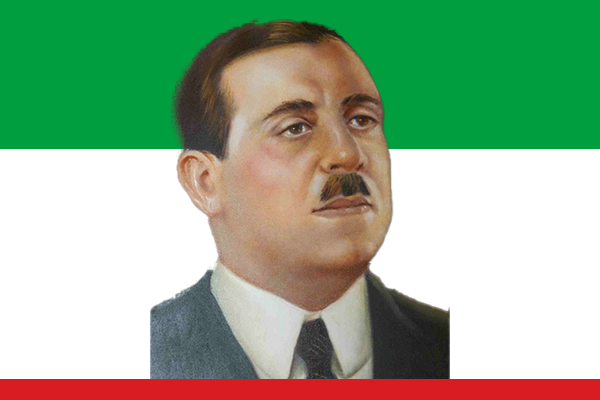
The first President of Lebanon was Bechara El Khoury (1943–1952). He played a key role in securing Lebanon’s independence from France. However, accusations of corruption and political unrest led to his resignation. He was succeeded by Camille Chamoun (1952–1958), whose pro-Western policies sparked internal tensions and culminated in the 1958 crisis.
The Chehab Era and Stability Efforts
Fouad Chehab (1958–1964) is often remembered for strengthening state institutions and promoting administrative reforms. His approach, known as “Chehabism,” aimed at national unity and development. His successor, Charles Helou, governed during rising regional tensions, particularly related to the Palestinian presence in Lebanon.
Civil War Period
The Lebanese Civil War (1975–1990) deeply affected the presidency. Suleiman Frangieh led during the outbreak of the war. He was followed by Elias Sarkis, who struggled to maintain unity amid foreign interventions. In 1982, Bachir Gemayel was elected but assassinated before taking full office. His brother, Amine Gemayel, then served during one of the most turbulent periods in Lebanese history.
Post-War Presidents
After the Taif Agreement ended the civil war, presidential powers were reduced in favor of the Council of Ministers. Elias Hrawi oversaw reconstruction efforts. He was followed by Émile Lahoud, whose tenure was marked by strong Syrian influence in Lebanese affairs.
In 2008, Michel Suleiman became president after a political deadlock. Later, Michel Aoun assumed office following a prolonged vacancy. His presidency faced major economic collapse and public protests.
In 2022, Joseph Aoun was elected as president amid ongoing economic and political crises. His leadership aims to restore institutional stability and address Lebanon’s severe financial challenges.
Hearing and Constitutional Role
The President of Lebanon does not conduct “hearings” in the parliamentary sense seen in some presidential systems. Instead, the president consults with members of Parliament through binding parliamentary consultations to appoint a prime minister. The Lebanese Parliament elects the president for a six-year term, and no immediate re-election is permitted. This process ensures a form of political hearing and consultation within the constitutional framework.