PRIME MINISTERS OF RUSSIA
Prime Ministers of Russia: Leaders Behind the Presidency
Russia has a dual executive system, with the President serving as the head of state and the Prime Minister acting as the head of government. The Prime Minister oversees the administration, implements policies, and coordinates the work of the Cabinet of Ministers. Since the establishment of the Russian Federation in 1991, several individuals have held this crucial position, each influencing Russia’s political and economic direction.
LIST OF PRIME MINISTERS OF RUSSIA

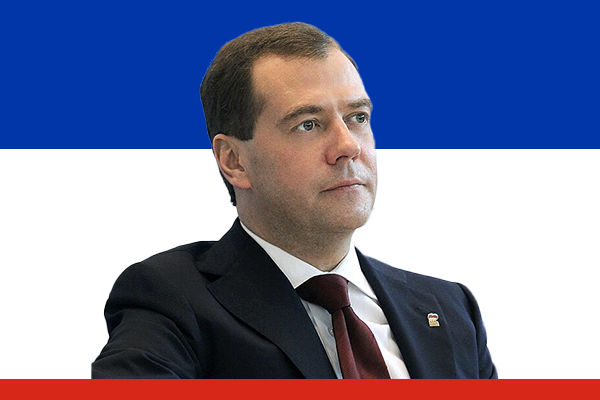
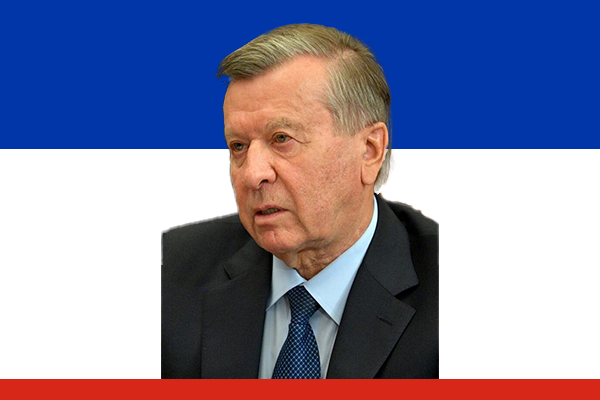


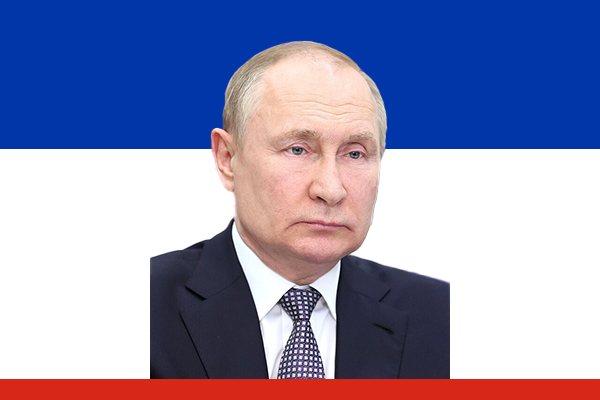
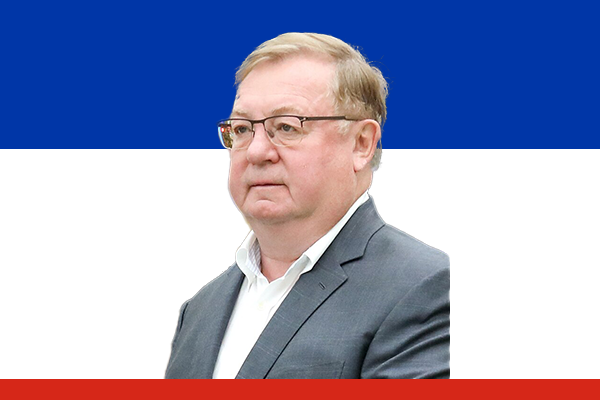

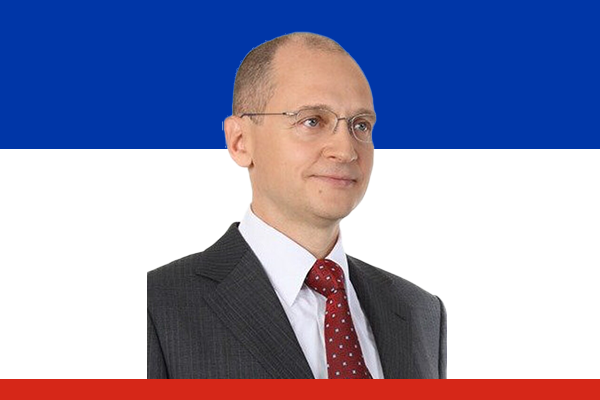
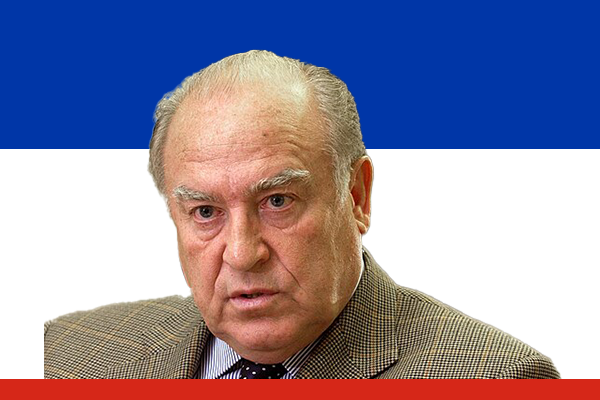
Prime Ministers of Russia
Early Years and Yeltsin’s Appointments
After the dissolution of the Soviet Union, Boris Yeltsin became Russia’s first President. He appointed Yegor Gaidar as acting Prime Minister in 1992, who introduced radical economic reforms to transition Russia to a market economy. Gaidar’s policies faced resistance, and Viktor Chernomyrdin succeeded him later that year, serving until 1998. Chernomyrdin focused on stabilizing the economy, privatization, and improving government administration.
The Turn of the Millennium
In 1999, Sergei Stepashin briefly served as Prime Minister before Vladimir Putin, then Prime Minister, became Acting President after Yeltsin’s resignation. Putin’s early tenure as Prime Minister and later as President marked a significant shift in Russian politics, emphasizing centralized authority, economic reform, and stronger federal control.
The Putin Era
During Vladimir Putin’s presidency, several Prime Ministers played vital roles in implementing his policies. Mikhail Kasyanov (2000–2004) actively worked on economic reforms, tax policy, and foreign investment. Mikhail Fradkov (2004–2007) focused on administrative reforms and improving public services. Viktor Zubkov (2007–2008) managed economic issues during a global financial crisis.
When Dmitry Medvedev became President in 2008, Putin appointed himself as Prime Minister, ensuring policy continuity. Medvedev later appointed Vladimir Putin again when he returned to the presidency in 2012. Prime Ministers like Dmitry Medvedev and Mikhail Mishustin have since carried out economic planning, taxation reforms, and modernization initiatives, maintaining stability amid domestic and international challenges.
Responsibilities and Influence
The Prime Minister of Russia manages government ministries, proposes legislation, prepares the federal budget, and oversees economic and social policies. While the President retains the ultimate authority, the Prime Minister actively shapes domestic policies, implements reforms, and ensures governmental efficiency.
Conclusion
The role of Prime Ministers of Russia has evolved significantly since 1991. Each leader has influenced the country’s political and economic path, balancing the President’s vision with administrative responsibilities. From the early post-Soviet reformers to modern technocrats, Russian Prime Ministers continue to play a central role in shaping the nation’s governance and global position.