Introduction

New Zealand does not have its own monarchy. Instead, it recognizes the British monarch as its head of state. This tradition began when New Zealand became part of the British Empire in 1840 through the Treaty of Waitangi. Since then, the British kings and queens have held the title of King or Queen of New Zealand. Below is the list of kings who have ruled over New Zealand as part of the British Crown.

LIST OF KINGS OF NEW ZEALAND

="timeline-item"
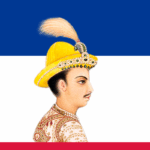
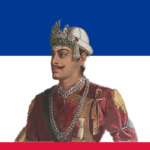
Prithvi Narayan Shah

Prithvi Narayan Shah(1723-1775) was the first King of unified Nepal, reigning from 1743 to 1775. He is credited with unifying numerous small kingdoms into a single nation. A visionary leader, he emphasized nationalism, military strength, and self-reliance, laying the foundation for modern Nepal’s territorial and political identity.

="timeline-item"
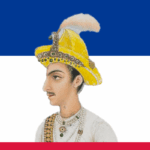
Pratap Singh Shah

Pratap Singh Shah(1751-1777) was the second King of Nepal, ruling from 1775 to 1777 after the death of his father, Prithvi Narayan Shah. His reign was short and largely uneventful, as he maintained the policies of his father. He died young, and the throne passed to his infant son, Rana Bahadur Shah.

="timeline-item"
Rana Bahadur Shah

Rana Bahadur Shah(1775 -1806) was the third King of Nepal, reigning from 1777 to 1799. He ascended the throne as a child after the death of his father, Pratap Singh Shah. His rule was marked by political instability, personal controversies, and eventual abdication in favor of his son, Girvan Yuddha Bikram Shah.

="timeline-item"
Girvan Yuddha Bikram Shah

Girvan Yuddha Bikram Shah(1797-1816) was the fourth King of Nepal, reigning from 1799 to 1816. He became king as a child after his father, Rana Bahadur Shah, abdicated. His reign saw the Anglo-Nepalese War (1814–1816), which ended with the Treaty of Sugauli, significantly reducing Nepal’s territory.

="timeline-item"
Rajendra Bikram Shah

Rajendra Bikram Shah(1813-1881) was the fifth King of Nepal, ruling from 1816 to 1847. He became king as a child after the death of his father, Girvan Yuddha Bikram Shah. His reign was marked by court intrigues and increasing influence of the Rana family, leading to his eventual dethronement by Jung Bahadur Rana.

="timeline-item"
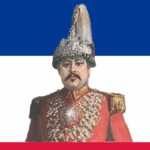
Prithvi Bir Bikram Shah

Prithvi Bir Bikram Shah(1875-1911) was the ninth King of Nepal, reigning from 1881 to 1911. Although he held the throne, real political power remained with the Rana prime ministers. He is remembered for introducing some modern reforms, including improvements in education and infrastructure, but his authority was largely symbolic under Rana rule.

="timeline-item"
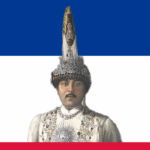
Tribhuvan Bir Bikram Shah

Tribhuvan Bir Bikram Shah(1906-1955) was the King of Nepal who reigned from 1911 to 1955, with a brief exile in 1950–51. He played a crucial role in ending the Rana autocracy and restoring the monarchy’s power. His return from exile marked the beginning of Nepal’s transition to democracy and modern governance.

Monarchs Who Served as Kings of New Zealand

The list of monarchs who held the title of King of New Zealand includes the rulers from the time the monarchy transitioned to male heirs. Each king played a role in shaping the constitutional and ceremonial aspects of the nation.

List of Kings of New Zealand

King Edward VII (1901–1910)

King Edward VII became the first King of New Zealand after Queen Victoria’s death in 1901. His reign marked the beginning of the 20th century and a period of modernization for the British Empire and its dominions, including New Zealand.

King George V (1910–1936)

King George V assumed the throne in 1910. He reigned through significant events, including World War I. In 1917, he changed the royal house’s name to the House of Windsor, distancing the monarchy from its German roots during the war.

King Edward VIII (January–December 1936)

King Edward VIII reigned for less than a year before abdicating to marry Wallis Simpson, an American divorcee. His abdication caused a constitutional crisis, leading to his younger brother becoming king.

King George VI (1936–1952)

King George VI took the throne after Edward VIII abdicated. His reign witnessed World War II and the beginning of decolonization. He symbolized stability and duty during challenging times.

King Charles III (2022–Present)

After Queen Elizabeth II’s passing in 2022, Charles III became the King of New Zealand. His reign focuses on modernization, environmental issues, and strengthening the Commonwealth’s role in today’s world.

Conclusion

The Kings of New Zealand reflect the nation’s deep ties with the British monarchy. Although New Zealand operates as an independent democracy, the monarchy remains a symbolic institution representing tradition, continuity, and constitutional governance.

Back to top of page