List of Presidents of Lebanon (with Introduction)

The President of Lebanon is the head of state and one of the most important political leaders in the country. Lebanon follows a unique political system known as confessionalism, where major government positions are distributed among different religious communities. According to the country’s political tradition, the President must be a Maronite Christian, the Prime Minister must be a Sunni Muslim, and the Speaker of Parliament must be a Shia Muslim.

LIST OF PRESIDENTS OF LEBANON

="timeline-item"
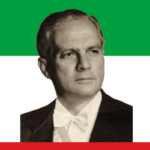
Émile Eddé

Émile Eddé (1884–1949) was a prominent Lebanese politician and lawyer who served as the President of Lebanon from 1936 to 1941 during the period of the French Mandate. He was the founder of the National Bloc (Lebanon) and supported close political relations with France. During his presidency, he worked to strengthen state institutions and administrative structures. However, his term ended during World War II when the Vichy French authorities removed him from office. Eddé remained an influential figure in Lebanese politics until his death.

="timeline-item"
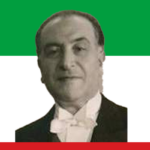
Bechara Khalil El Khoury

Bechara El Khoury (1890–1964) was the first President of Lebanon after the country gained independence from France in 1943. A prominent Maronite Christian leader, he played a key role in establishing the National Pact, an agreement that organized Lebanon’s power-sharing political system among religious communities. El Khoury served as president from 1943 to 1952 and focused on strengthening the new state’s institutions. However, his presidency ended after widespread protests and political opposition forced him to resign from office.

="timeline-item"
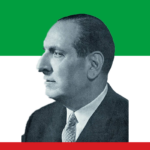
Camille Chamoun

Camille Chamoun (1900–1987) was the second President of Lebanon, serving from 1952 to 1958. He came to power after the resignation of President Bechara El Khoury during political unrest. Chamoun focused on strengthening Lebanon’s economy, promoting modernization, and building strong relations with Western countries. However, his presidency faced growing opposition, which led to the 1958 Lebanon Crisis. After leaving office, Chamoun remained an influential political leader and founded the National Liberal Party.

="timeline-item"
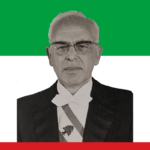
Fouad Chehab

Fouad Chehab (1902–1973) was the President of Lebanon from 1958 to 1964. A respected army commander, he came to power after the 1958 political crisis and worked to stabilize the country. Chehab is known for introducing administrative and social reforms aimed at strengthening state institutions and reducing regional inequalities. His approach, often called Chehabism, focused on modernization, development, and improving public administration. He tried to maintain balance among Lebanon’s religious communities and keep the country neutral in regional conflicts.

="timeline-item"
Charles Helou

Charles Helou was the President of Lebanon from 1964 to 1970. Before becoming president, he worked as a journalist, diplomat, and government minister. During his presidency, Lebanon experienced economic development and cultural growth, especially in the capital city, Beirut. However, political tensions in the region and the growing presence of Palestinian armed groups created internal challenges. Helou supported administrative reforms and diplomatic cooperation with Arab countries. His term ended in 1970, shortly before political instability increased and eventually led to the Lebanese Civil War in 1975.

="timeline-item"
Suleiman Frangieh

Suleiman Frangieh (1910–1992) was a Lebanese politician who served as the President of Lebanon from 1970 to 1976. He belonged to a powerful political family from northern Lebanon and played an important role in the country’s politics for many years. Frangieh became president after a very close parliamentary vote. His presidency coincided with a period of growing political tension that eventually led to the outbreak of the Lebanese Civil War in 1975. During his leadership, he struggled to maintain stability in a deeply divided nation.

="timeline-item"
Élias Sarkis

Élias Sarkis was the sixth President of Lebanon, serving from 1976 to 1982 during the difficult period of the Lebanese Civil War. Born in 1924 in Chekka, he previously served as the governor of the Central Bank of Lebanon. Sarkis became president with the aim of restoring stability and strengthening state institutions amid ongoing conflict. His presidency faced major challenges due to internal fighting and foreign involvement. Despite these difficulties, he worked to maintain government authority and support efforts for peace and national unity.

="timeline-item"
Bachir Gemayel

Bachir Gemayel (1947–1982) was a Lebanese political leader and president-elect of Lebanon in 1982. He was a prominent figure during the Lebanese Civil War and led the Lebanese Forces militia. Gemayel was elected president by the Lebanese Parliament in August 1982, becoming one of the youngest leaders in the country’s history. However, before he could officially assume office, he was assassinated in a bombing in Beirut on September 14, 1982. His death had a major impact on Lebanese politics and the ongoing civil war.

="timeline-item"
Amine Gemayel

Amine Gemayel was the President of Lebanon from 1982 to 1988. He took office after the assassination of his brother, Bachir Gemayel, during the difficult years of the Lebanese Civil War. Amine Gemayel attempted to stabilize the country and strengthen state institutions. His presidency focused on negotiating with different political factions and foreign powers to end the conflict. Despite his efforts, Lebanon continued to face political divisions and violence throughout much of his time in office.

="timeline-item"
Salim al-Huss

Salim Al-Hoss (1929–2024) was a prominent politician, economist, and academic from Lebanon. He served several times as the Prime Minister of Lebanon (1976–1980, 1987–1990, and 1998–2000). Al-Hoss was known for his integrity, moderate political views, and efforts to promote national unity during difficult periods, including the Lebanese Civil War. Before entering politics, he was a respected professor of economics at the American University of Beirut. Throughout his career, he advocated political reform, economic stability, and peaceful dialogue among Lebanon’s diverse communities.

="timeline-item"
René Moawad

René Moawad (1925–1989) was a Lebanese politician who briefly served as the President of Lebanon in 1989. He was elected by the Lebanese Parliament after the signing of the Taif Agreement, which aimed to end the long and devastating Lebanese Civil War. Moawad was known for supporting national unity and political reconciliation among Lebanon’s diverse communities. However, his presidency was extremely short. Just 17 days after taking office, he was assassinated in a car bombing in Beirut on November 22, 1989, the country’s Independence Day.

="timeline-item"
Elias Hrawi

Elias Hrawi (1926–2006) was the President of Lebanon from 1989 to 1998. He was elected shortly after the Taif Agreement, which helped end the Lebanese Civil War. During his presidency, Hrawi focused on rebuilding the country, restoring political institutions, and implementing constitutional reforms based on the Taif Agreement. His government worked to strengthen national unity and stabilize Lebanon after years of conflict, while also overseeing the withdrawal of militias and the reconstruction of infrastructure across the country.

="timeline-item"
Émile Lahoud

Émile Lahoud (born 1936) served as the President of Lebanon from 1998 to 2007. Before becoming president, he was the commander of the Lebanese Armed Forces and was known for strengthening the military after the Lebanese Civil War. Lahoud supported close relations with Syria during his presidency. His term was extended in 2004, which caused political controversy and international criticism. Lahoud’s presidency was marked by political tensions, the 2005 assassination of Rafic Hariri, and growing demands for Syrian withdrawal from Lebanon.

="timeline-item"
Michel Suleiman

Michel Suleiman (born 21 November 1948) served as the President of Lebanon from 2008 to 2014. Before becoming president, he was the commander of the Lebanese Armed Forces from 1998 to 2008. Suleiman was elected president as a compromise candidate following the Doha Agreement, which ended an 18-month political crisis in Lebanon. During his presidency, he promoted national dialogue among political factions, supported state institutions, and called for Lebanon’s neutrality in regional conflicts while working to maintain stability in the country.

="timeline-item"
Michel Aoun

Michel Aoun (born 18 February 1935) is a Lebanese politician and former military leader who served as the President of Lebanon from 2016 to 2022. Before entering politics, he was the commander of the Lebanese Armed Forces. Aoun briefly served as Prime Minister in 1988 during the Lebanese Civil War. After years in exile in France, he returned to Lebanon in 2005 and founded the Free Patriotic Movement. As president, he focused on political reforms, national stability, and addressing Lebanon’s economic challenges.

="timeline-item"
Joseph Aoun

Joseph Aoun is a Lebanese military leader and political figure who became the President of Lebanon in 2025. Before assuming the presidency, he served as the commander of the Lebanese Armed Forces from 2017 to 2025. During his military leadership, he focused on strengthening the army, maintaining security, and cooperating with international partners. As president, Joseph Aoun aims to guide Lebanon through its economic crisis, promote political stability, and support reforms to rebuild public institutions and restore confidence in the government.

List of Presidents of Lebanon

1. Bechara El Khoury (1943–1952)

Bechara El Khoury became the first President of independent Lebanon in 1943. He played a key role in negotiating the end of the French mandate and establishing Lebanon as a sovereign state. His presidency helped create the National Pact, which organized the power-sharing political system.

2. Camille Chamoun (1952–1958)

Camille Chamoun came to power after political protests forced the resignation of his predecessor. His presidency focused on strengthening Lebanon’s economy and foreign relations, especially with Western countries. However, his rule ended amid political unrest and the 1958 crisis.

3. Fouad Chehab (1958–1964)

Fouad Chehab was known for administrative reforms and efforts to modernize the Lebanese state. His policies aimed to reduce inequality and strengthen government institutions.

4. Charles Helou (1964–1970)

Charles Helou continued many of Chehab’s reform policies. During his presidency, Lebanon experienced economic growth but also increasing political tensions in the region.

5. Suleiman Frangieh (1970–1976)

Frangieh served during a period of rising political instability. His presidency coincided with the beginning of the Lebanese Civil War in 1975.

6. Elias Sarkis (1976–1982)

Elias Sarkis attempted to restore stability during the civil war. His presidency faced serious challenges due to ongoing conflict and foreign involvement in Lebanon.

7. Bachir Gemayel (1982)

Bachir Gemayel was elected president during the civil war but was assassinated before officially taking office.

8. Amine Gemayel (1982–1988)

Amine Gemayel tried to bring peace to Lebanon and negotiate with different political factions during the civil war.

9. René Moawad (1989)

René Moawad was elected after the Taif Agreement, which aimed to end the civil war. He was assassinated only 17 days after becoming president.

10. Elias Hrawi (1989–1998)

Elias Hrawi supervised the implementation of the Taif Agreement and worked to rebuild Lebanon after the civil war.

11. Émile Lahoud (1998–2007)

Émile Lahoud emphasized strengthening the Lebanese army and maintaining political stability during a complex regional period.

12. Michel Suleiman (2008–2014)

Michel Suleiman, a former army commander, promoted dialogue between political factions and attempted to maintain neutrality in regional conflicts.

13. Michel Aoun (2016–2022)

Michel Aoun became president after a long political deadlock. His presidency focused on political reform and economic challenges.

14. Joseph Aoun (2025–Present)

Joseph Aoun, the former commander of the Lebanese Armed Forces, became president in 2025. His leadership aims to address Lebanon’s economic crisis and political reforms.
Back to top of page