PRIME MINISTERS OF POLAND
Prime Ministers of Poland
The office of the Prime Minister in Poland is one of the most important positions in the nation’s political system. The Prime Minister serves as the head of government, responsible for implementing laws, managing domestic and foreign policies, and overseeing the Council of Ministers. While the President of Poland is the head of state, real executive power largely rests with the Prime Minister. The role has evolved significantly over time, especially with Poland’s transition from monarchy to republic, through periods of occupation, communism, and finally to a democratic system after 1989.
LIST OF PRIME MINISTERS OF POLAND
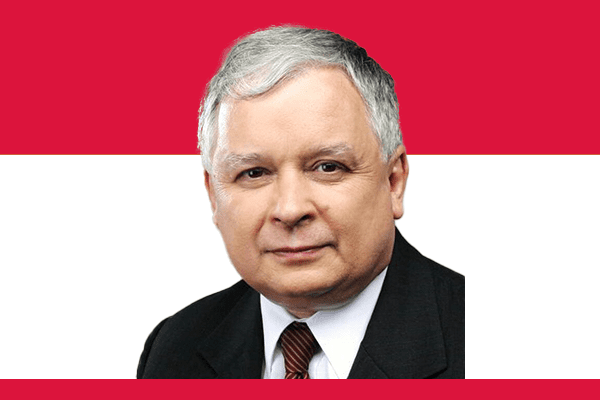
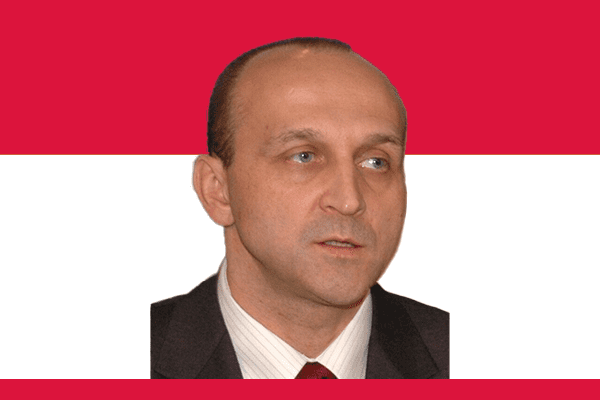
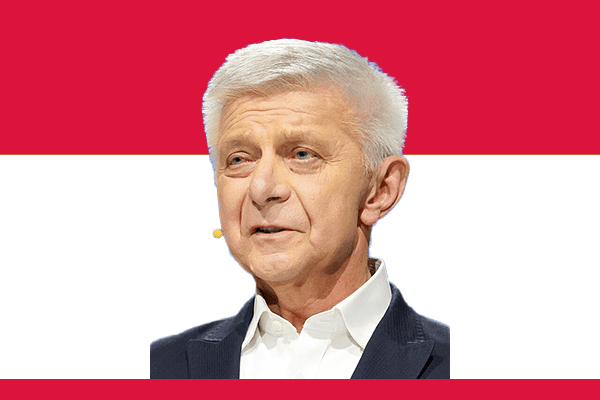
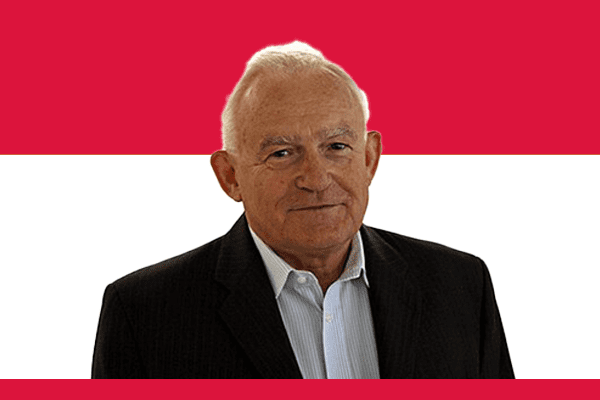
Historical Development
The position of Prime Minister dates back to the early 20th century when Poland regained independence in 1918 after World War I. One of the first Prime Ministers of modern Poland was Jędrzej Moraczewski, who played a key role in forming the new government. However, political instability marked the early years, with frequent changes in leadership.
During World War II, Poland was occupied, and a government-in-exile operated from London. After the war, Poland came under communist influence, and the Prime Minister’s role became subordinate to the ruling party. Leaders such as Józef Cyrankiewicz served long terms during this era, but real authority was held by the Communist Party.
Democratic Era and Modern Leadership
The fall of communism in 1989 marked a turning point in Polish politics. The first non-communist Prime Minister in decades was Tadeusz Mazowiecki, who introduced democratic reforms and helped transition Poland to a market economy. This period laid the foundation for modern governance.
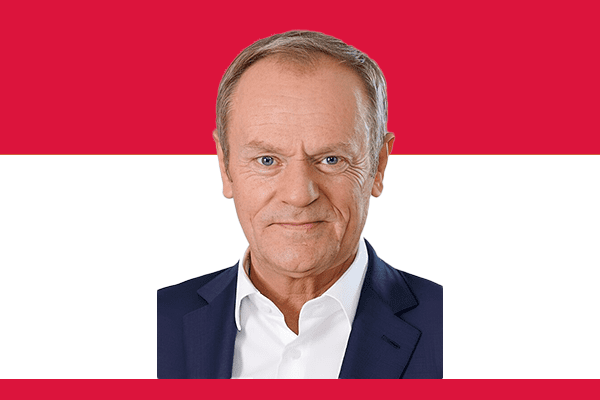
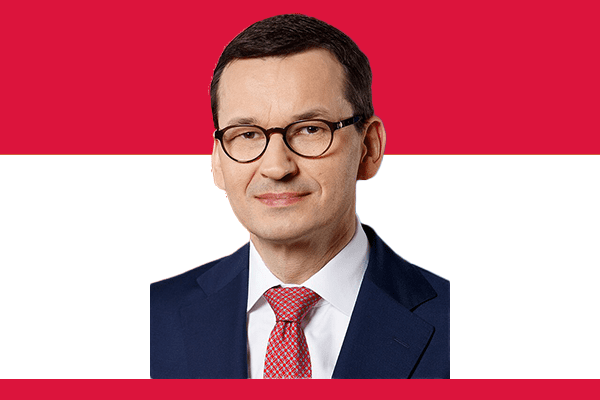
In recent decades, Poland has seen several influential Prime Ministers. Donald Tusk served from 2007 to 2014 and was known for strengthening Poland’s position within the European Union. Another key figure is Mateusz Morawiecki, who has focused on economic development and social policies. These leaders reflect Poland’s evolving political landscape in a democratic framework.
Role and Responsibilities
The Prime Minister of Poland is appointed by the President but must gain the support of the parliament, known as the Sejm. The Prime Minister directs government policy, coordinates ministers, and represents Poland internationally. The office requires balancing domestic priorities with international commitments, especially within organizations like the European Union and NATO.
Conclusion
The history of Prime Ministers in Poland reflects the nation’s broader political journey—from independence and turmoil to authoritarian rule and finally democracy. Today, the Prime Minister plays a central role in shaping Poland’s future, ensuring stability, economic growth, and active participation in global affairs.